
HARARE, Zimbabwe — The World Health Organization announced Wednesday that immunization efforts throughout Africa have prevented tens of millions of deaths during the last twenty years, though advancement is decelerating in certain nations as reduced American funding threatens to leave countless children vulnerable.
Continental health infrastructure serving 1.5 billion residents confronts mounting challenges after the United States reduced international health assistance under President Donald Trump’s “America First” approach, combined with Middle Eastern conflict disruptions that strain funding sources and distribution networks.
In its inaugural comprehensive immunization assessment for the region, WHO reported that routine vaccination efforts have reached more than 500 million children since 2000, averting over 4 million annual deaths.
The organization stated that vaccines have prevented more than 50 million fatalities in Africa during the past fifty years, “adding an estimated 60 years of life expectancy for each infant life saved” throughout this timeframe.
During 2024 alone, immunizations prevented nearly 2 million deaths, the agency reported, highlighting significant achievements including wild poliovirus elimination in 2020, “a historic milestone for Africa,” and maternal and neonatal tetanus eradication in most nations.
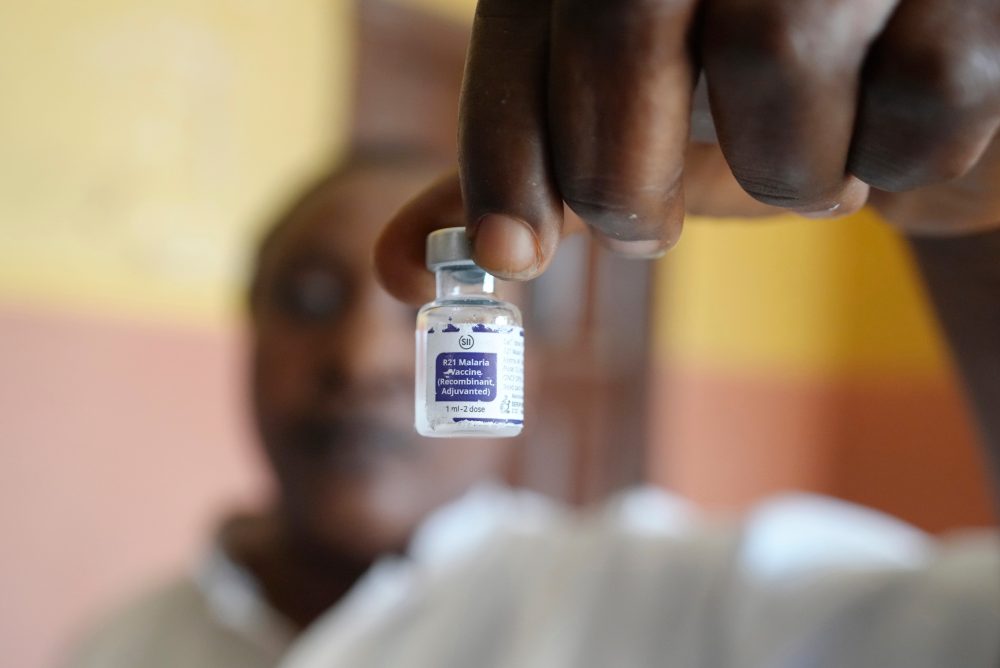
Anti-malaria vaccines, targeting a disease that claims more than 400,000 lives yearly with most victims being African children under five, are currently being deployed across 25 countries. WHO regional director for Africa Mohamed Janabi described this as “a major scientific and public health breakthrough” during a virtual press conference.
However, he cautioned that “progress is uneven and in some places really slowing,” following the COVID-19 pandemic’s increase in children who have never received any vaccination.
He explained that ten countries represent 80% of unvaccinated children regionally, calling this “a profound equity issue.”
“These immunization outcomes reflect very different realities, and we have more work to do to ensure we are consistently able to reach children, even in the most fragile and remote contexts,” stated Sania Nishtar, chief executive of Gavi, the Vaccine Alliance, which collaborates with WHO on vaccination initiatives.
Janabi described aid reductions since Trump’s 2025 return to office as devastating. America’s WHO withdrawal in January eliminated approximately 40% of the organization’s international development funding, he noted, encouraging African governments to boost domestic health investment to offset these losses.
The US-Iran conflict, which has interrupted supply networks and elevated fuel costs, poses concerns for a continent where “many of our facilities depend on generators,” explained Adelheid Onyango, WHO Africa director for health systems and services. She indicated the agency has not yet measured the war’s full impact.
Health specialists like Shabir Madhi, a vaccinology professor and dean of the Faculty of Health Sciences at South Africa’s University of the Witwatersrand, identify funding as the “biggest threat” to Africa’s immunization programs as America and other Western contributors reduce assistance to developing nations.
Across numerous countries, aid-supported programs have already reduced operations or ceased entirely, limiting access to essential health services, including medical facilities, healthcare personnel, cold-storage systems and community outreach services that vaccination efforts require.
“It can’t be that we continue relying on the likes of Gavi Vaccine Alliance, which has done a tremendous amount of work in terms of ensuring that there’s increasing uptake of new vaccines,” Madhi said. “The Gavi Vaccine Alliance itself is already experiencing a financial crunch. What we need to start putting on the table is what percentage of the immunization program should be funded by countries … to ensure that not just a few children are getting vaccinated.”