
Swedish authorities disclosed Wednesday that hackers with connections to Russian intelligence services attempted to compromise a heating facility in the country last year, marking the first time officials have publicly acknowledged the incident.
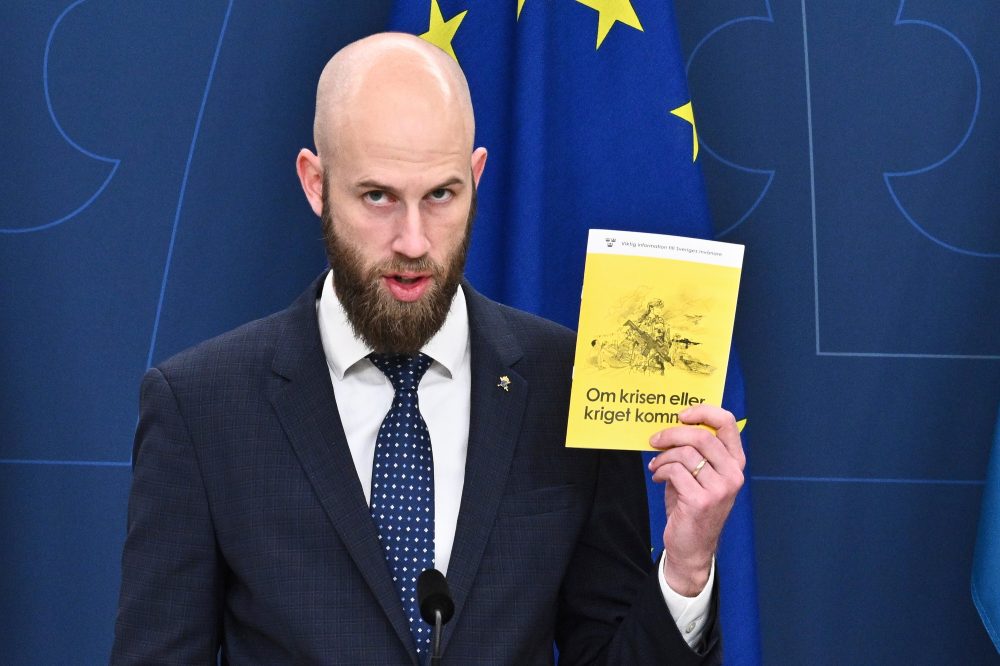
Civil Defense Minister Carl-Oskar Bohlin revealed that the unsuccessful attack targeted a heating plant located in western Sweden, though he declined to provide additional specifics about the breach attempt.
The Swedish minister drew parallels to similar incidents that occurred in Poland during December, where coordinated digital assaults struck heating and power facilities serving nearly 500,000 residents, along with renewable energy installations. Polish authorities later determined that evidence pointed to hackers “directly linked to the Russian services.”
According to Bohlin, both the Swedish and Polish cyber incidents focused on systems that manage essential infrastructure, creating potential for significant societal disruption.
“The attacks show Russia is engaging in risky and careless behavior,” Bohlin stated.
These incidents represent part of a broader pattern documented by The Associated Press, which has tracked over 150 cases of sabotage and hostile activities throughout Europe that Western officials have connected to Russia following Moscow’s comprehensive invasion of Ukraine in February 2022. According to officials, these operations aim to weaken European support for Ukraine, create anxiety and division within European communities, and consume investigative resources.
Russian government representatives have previously rejected allegations of conducting any sabotage operations across Europe.
Other European nations have reported similar Russian-linked attacks throughout 2024. Danish authorities revealed in December that Russian cyberattacks on water utilities left residential areas without water service. Norwegian police reported in August that pro-Russian hackers remotely activated a dam valve, causing water to flow out uncontrolled. Latvia’s State Security Service announced in March that individuals working in Russia’s interests had set fire to railway equipment and train infrastructure.