
The globe’s leading lithium manufacturer, Albemarle Corporation, announced Wednesday that it has launched environmental assessment procedures in Chile for its inaugural Direct Lithium Extraction facility.
According to company officials, this innovative technology will enable the recovery of approximately double the amount of lithium while simultaneously decreasing the volume of brine removed from underground sources compared to traditional mining methods.
The comprehensive development carries an estimated price tag of $3.1 billion and is projected to remain operational until 2045, according to documents submitted to Chile’s environmental evaluation authority.
“The initiative aims to move toward more efficient and sustainable production in the Salar de Atacama,” company representatives stated, referring to the location recognized as among the planet’s most abundant sources of the critical mineral used in electric vehicle battery production.
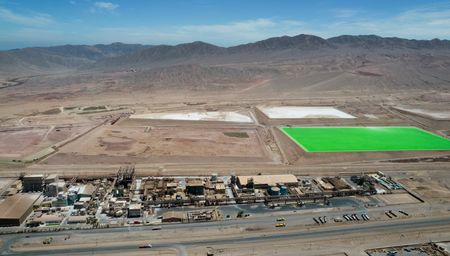
The proposed facility would feature a Direct Lithium Extraction plant situated within Albemarle’s current mining lease territory, incorporating up to six processing units positioned in Chile’s expansive salt flats, along with the installation of electrical transmission infrastructure.
Environmental documentation indicates that brine removal rates would decrease from 442 liters per second to 342 liters per second when operating a single extraction unit, and could drop as low as 142 liters per second when all six processing trains are functioning.
Water resources surrounding the massive Atacama salt flats, including both freshwater and mineral-rich brine, have historically created tensions for mining companies working in this arid region. Indigenous populations have expressed concerns that mining activities are depleting limited freshwater and lithium-containing brine supplies, potentially reducing availability for local communities and desert wildlife.