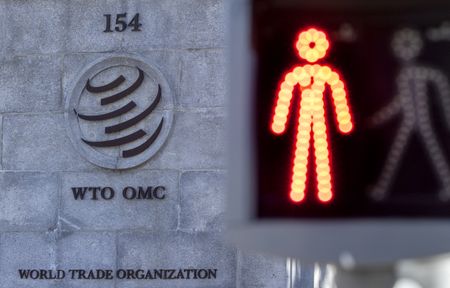

The World Trade Organization is implementing significant budget reductions of approximately 10% following the United States’ return to delinquent status and mounting payment delays from multiple member countries, according to internal WTO documents obtained by Reuters.
The Geneva-based organization, which has overseen global trade regulations since 1995, faces renewed financial strain after already weathering challenges from former President Donald Trump’s extensive tariff policies and more than six years of operational gridlock that began when Trump’s initial administration blocked key appointments to the organization’s appellate tribunal in 2019.
The United States, typically the organization’s largest financial contributor, has joined nine other nations in Category 1 delinquency status, indicating contributions have remained unpaid for at least twelve months but less than twenty-four months, according to internal Committee on Budget, Finance and Administration records from March 12 and February 18.
The timing and likelihood of U.S. payment remains uncertain.
During March discussions, U.S. Trade Representative Jamieson Greer indicated the WTO would assume a diminished position in future global trade policy, with Washington prioritizing regional, bilateral, and when required, unilateral trade approaches following unsuccessful ministerial negotiations in Cameroon.
Cost-reduction strategies outlined in classified documentation include eliminating 39 short-term full-time equivalent roles, implementing hiring freezes for fixed-term positions, expanding low-cost internship programs, and reducing energy expenditures.
The organization currently confronts its most severe payment crisis in ten years, with 20 member nations facing administrative penalties as of late 2025.
“In response to this situation, the Secretariat has planned a 10% reduction in spending in 2026,” according to a classified budget committee report from a March 2 meeting.
Updated documentation from the committee chairperson dated March 12 indicates 29 members are now subject to administrative measures, including the United States.
WTO officials declined to provide comment, while the U.S. Trade Representative’s office did not respond to requests for statement.
The organization has proposed reducing expenditures from the approved 2026 budget of 204.9 million Swiss francs ($263 million) to 183.4 million Swiss francs to address the funding shortfall until member contributions are received, based on restricted February 18 documentation.
Budget discussions are scheduled for Wednesday’s WTO General Council session in Geneva.
WTO regulations mandate that members failing to meet assessed contributions for over twelve months face “administrative measures” – escalating penalties that intensify with prolonged payment delays.
The United States, Russia, and several developing nations currently fall under the initial penalty category, restricting their representatives from leading WTO committees or accessing specific official materials.
As Reuters previously documented, the U.S. held Category 1 delinquent status last year but was removed from the list by December 2025’s conclusion following a payment. However, classified March documentation confirms its return to Category 1 status.
Separate WTO records based on December assessments show the United States owes 23.09 million francs, representing approximately 11% of the organization’s yearly budget.
Although advance payments from certain members provided the WTO with “much-needed cash flow” early this year, outstanding debts require resolution “as soon as possible,” according to the internal documents.