
For Jeremy Wright, the perfect Christmas gift for his wife Sarah seemed like a slam dunk: tickets to a World Cup soccer match. Wright turned to the U.S. resale platform StubHub and purchased two seats to watch the Netherlands face Japan on June 14.
That plan quickly fell apart.
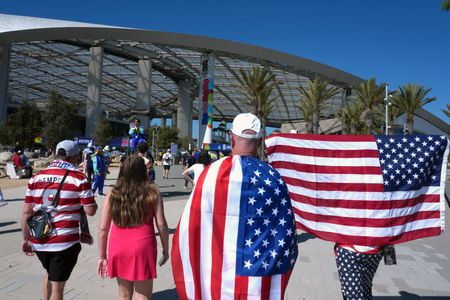
After more than ten months of anticipation, the couple drove from Austin to Dallas and gathered with fellow fans at their hotel, ready to celebrate. But just five hours before the opening whistle, an email from StubHub shattered their excitement — their tickets could not be delivered.
The email, which Reuters reviewed, told Jeremy that StubHub had located replacement tickets at no additional charge, citing its “FanProtect Guarantee.” When he tried to follow the steps to claim those seats, however, the only real option presented to him was a refund. After hours of trying to reach StubHub customer support, the couple gave up and made the drive back to Austin in the rain.
The Wrights are far from alone. Dozens of frustrated ticket buyers flooded social media this month after last-minute StubHub cancellations left them empty-handed, often after being told replacement tickets were on the way. The situation represents yet another ticketing headache surrounding the first World Cup held in North America in over three decades — a tournament that has already drawn criticism from fans over FIFA’s decision to use dynamic pricing for the first time.
StubHub is not an official ticketing partner of the World Cup. It operates solely as a resale platform, meaning it does not hold tickets or control prices. A company spokesperson said cancellations happen when sellers fail to deliver. StubHub also pointed the finger at FIFA, claiming the governing body’s ticketing infrastructure was disrupting ticket transfers across all resale platforms.
FIFA pushed back firmly. The organization, which had previously urged fans to use only its own official resale platform, said its ticketing system was running reliably and at scale. “With reference to the reliability of the services available to fans on FIFA’s official ticket platform, FIFA rejects any suggestion that the functional issues being experienced by users of third-party platforms with respect to FIFA World Cup 2026 tickets are the result of FIFA’s ticketing infrastructure,” the organization said in a statement.
FIFA does charge a 30% commission on resale tickets through its official platform, which often makes tickets there pricier than on competing sites. FIFA said those fees are in line with industry norms across North America and that its platform offers a “safe, transparent and secure environment for fans to sell or transfer tickets to other fans.”
Still, some fans found FIFA’s platform too complicated to navigate. Writer and personal stylist Dacy Gillespie was one of them. She purchased four tickets to Argentina’s June 16 match against Algeria as a surprise Christmas gift for her two sons. After driving roughly 250 miles from their home in St. Louis to Kansas City, she received a matchday email from StubHub informing her the seller could not deliver the tickets.
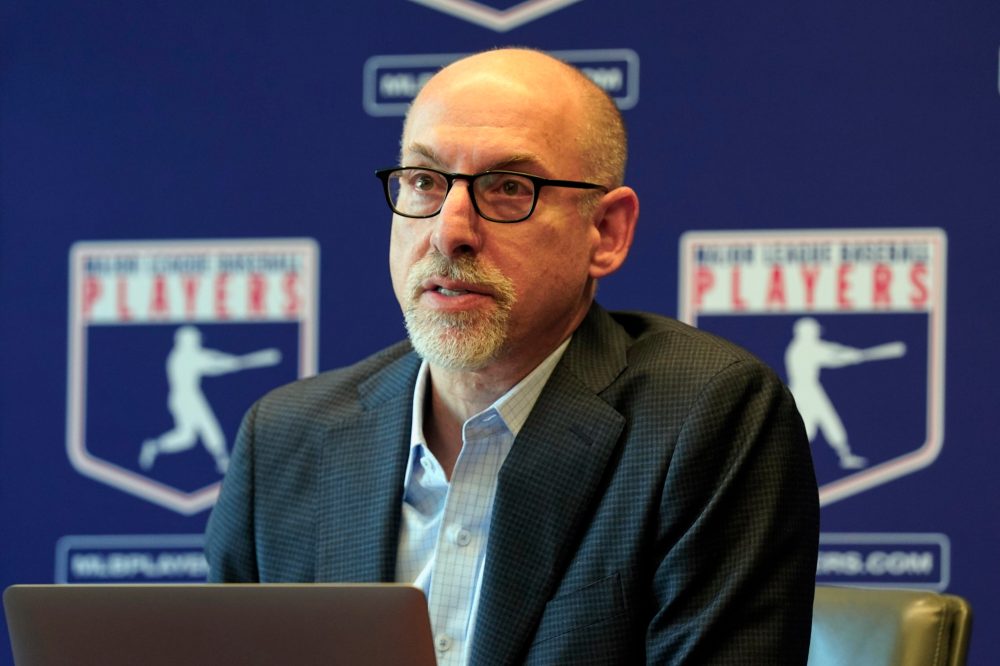
A ticketing expert who previously worked with the Cleveland Cavaliers and now runs the “Ticket Talk Network” — a resource focused on how seats for major sporting events are bought and sold — identified the root cause as a practice called speculative ticketing, sometimes referred to as “ghost tickets.”
“Let’s say (a seller) listed that ticket six months ago for $500. He’s hoping to (buy) that ticket for less than $500 to make a profit and fill the ticket order,” the expert, Scott Friedman, explained. “Just like shorting the stock market.”
Friedman noted that while ticket prices on secondary markets typically drop as an event approaches, World Cup ticket prices kept climbing, leaving speculative sellers unable to fulfill orders without taking a financial loss. Although StubHub’s policies officially ban speculative ticketing, ghost tickets remain widespread because the platform does not require sellers to provide seat numbers when listing tickets.
Wright’s purchase was made on September 6, 2025 — four days before FIFA even opened its first official sales draw — strongly suggesting the tickets were listed by a speculator. A screenshot of his order, reviewed by Reuters, showed only that the seats were listed as “Category 3” with no seat numbers included.
StubHub said it requires sellers to upload tickets or show proof of purchase at the time of listing, and that sellers who misrepresent their inventory face financial penalties and account suspension.
Both the Wrights and Gillespie said they resorted to social media to get any response at all from StubHub. They believe their complaints were only addressed because their posts went viral. StubHub eventually offered the Wrights complimentary seats to a semi-final game and gave Gillespie $3,000 to help offset the cost of replacement tickets she had to purchase on her own.
“We had to raise holy hell to get the attention,” said Sarah Wright. “There’s almost a survivor’s guilt kind of feeling for us — we got (complimentary) tickets, but what about all the other people?”
StubHub said it has since established a dedicated World Cup support team and boosted its ability to find replacement tickets for affected customers. “Getting fans to their matches remains our top priority for the rest of this tournament,” a company spokesperson said.
The fallout could have lasting consequences for StubHub’s reputation. A clinical assistant professor at the NYU Tisch Institute for Global Sport, Marsha-Gaye Knight, warned the issues could cause serious long-term brand damage. She noted that an event as massive as the expanded 48-team World Cup — which set an all-time aggregate attendance record before the group stage even concluded — puts any problems under an intense spotlight.
“For them (StubHub) to be the third party where they’re supposed to provide this service with ease, and they’ve done it before, and they’ve done it with so many people, and they’ve gained that trust, for that trust to now get chipped away is very, very concerning for them,” Knight said. “From a brand perspective, this could be a nightmare for them.”
Adding to StubHub’s troubles, the United Kingdom’s markets watchdog this week ordered StubHub UK to refund more than 50,000 customers and pay a £900,000 fine — equivalent to about $1.19 million — for failing to display the full ticket price upfront.
Some affected fans are now calling on lawmakers and regulators to step in. The National Independent Venue Association, a trade group representing live entertainment venues, along with fan advocacy group Fan Alliance, sent a letter last week to U.S. House of Representatives Speaker Mike Johnson and others urging a ban on the sale of ghost tickets on resale platforms. Johnson’s office had not responded to a request for comment at the time of publication.