
Scientists studying wildlife on a Lake Superior island say wolf numbers are flourishing, but the growing packs are devastating the moose herds they depend on for survival, according to new research published Monday.
Isle Royale, a 134,000-acre national park situated in western Lake Superior between Grand Marais, Minnesota and Thunder Bay, Canada, serves as a unique outdoor laboratory where researchers can study predator-prey relationships with minimal human interference.
Wildlife population studies have been ongoing on the island since 1958. These surveys typically take place during winter months when the roadless island remains closed to tourists, though recent years have brought significant challenges for research teams.
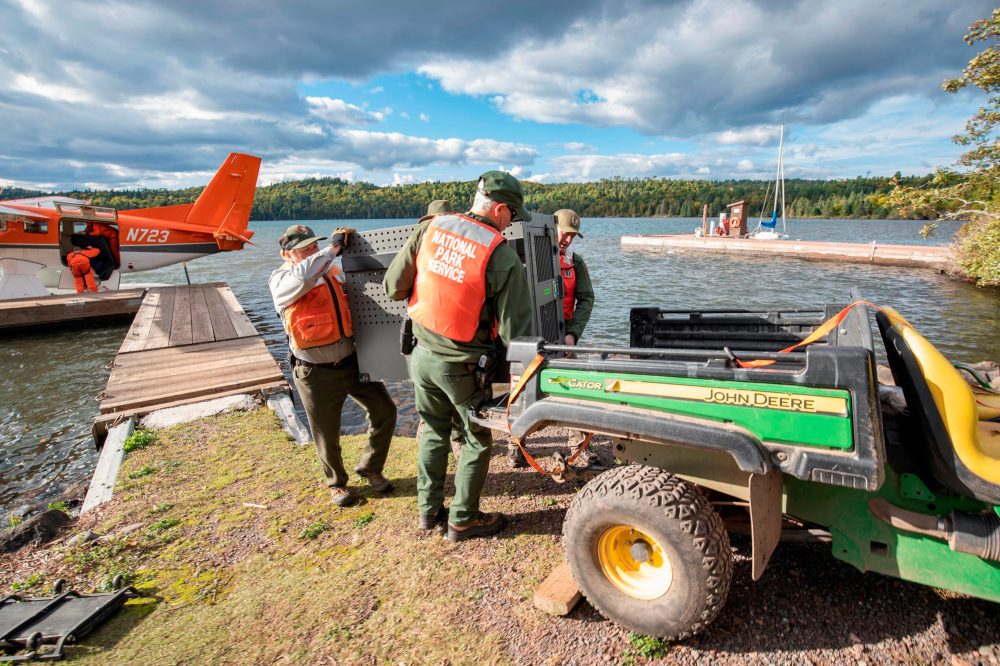
The COVID-19 pandemic forced the first-ever cancellation of the survey in 2021. During the 2024 winter study, the National Park Service evacuated researchers after unusually mild temperatures made the surrounding ice too dangerous for ski-plane operations. Scientists depend on these aircraft for wildlife tracking since the island lacks a proper runway, requiring landings on frozen Lake Superior. The 2023 survey also failed when their pilot experienced a sudden medical emergency.
This year, however, a research team headed by Michigan Tech University scientists successfully completed their work between January 22 and March 3. Their findings indicate the island now hosts 37 wolves. Previous data collected before the 2024 evacuation showed 30 wolves.
The 2026 population estimates mark the highest wolf numbers since the late 1970s and show remarkable recovery from a low point of just two wolves ten years ago. Scientists believe genetic problems from inbreeding had reduced pup survival rates.
Meanwhile, the island’s moose population faces a dramatic decline. Current surveys count 524 moose, representing a 75% drop from the peak of 2,000 animals recorded in 2019. Researchers estimate wolves killed nearly 25% of all moose during the past year. For the first time in nearly seven decades, scientists observed zero moose calves during their winter survey.
Sarah Hoy, a Michigan Tech researcher who studies predator-prey relationships and co-leads the survey, described enduring wind chills reaching minus 50 degrees Fahrenheit while struggling to stay warm in their cabin wood stoves.
Despite harsh conditions, clear weather allowed for outstanding wildlife observations. Scientists spotted wolves during all but one survey flight, Hoy noted. A memorable moment came on Valentine’s Day when they watched a wolf pack huddled together on the ice.
“It’s always such a privilege to get to see wolves interacting, witnessing courtship behavior, pups playfully tugging on each other’s tails, or a pack working together to take down a moose,” she said.
Research teams plan summer studies on the island to examine how the expanding wolf population might achieve ecological balance with other island species.