
MADISON, Wis. — Board members overseeing Wisconsin’s university system pushed back against their ousted president’s assertion that his termination came without warning, explaining to state legislators Thursday that he failed to tackle urgent matters including artificial intelligence policy and avoided making tough choices that might displease various stakeholders.
The board of regents had remained largely silent about their shocking decision Tuesday to remove Jay Rothman from his position leading the 165,000-student system until Thursday’s hearing. The regents made their unanimous choice to terminate Rothman following private deliberations, with no public debate.
In a Wednesday interview with The Associated Press, Rothman stated he was unaware of the reasons behind his termination and felt “blindsided” by the decision.
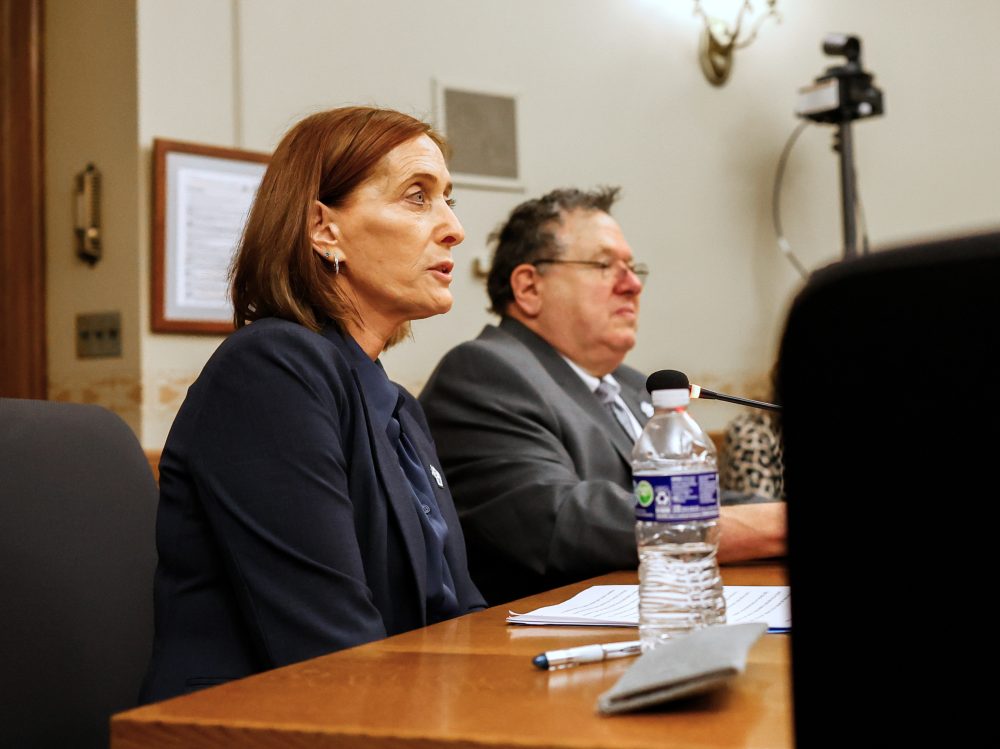
However, during Thursday’s state Senate committee session, two regents contradicted Rothman’s account, asserting he understood more about the situation than he’s acknowledging. They emphasized there were “substantial” justifications for his removal, which Rothman was cognizant of.
“That decision was not made lightly,” Regent President Amy Bogost said. “It was not political. It was not retaliatory. It was unanimous. … We made a difficult decision for the right reasons, and I firmly stand by it.”
Frustrated Republican legislators organized the public hearing to demand explanations from regents regarding the unexpected dismissal.
Regent Timothy Nixon outlined multiple concerns about Rothman’s leadership, including insufficient urgency in handling crucial matters like artificial intelligence, misalignment with board priorities, attempts to restrict public board conversations and transparency, interference with board members’ legislative communications, and claiming individual credit for collective achievements.
Nixon additionally mentioned his ongoing efforts to have the university system explain its workforce of 579 employees, an issue Rothman failed to address adequately.
“He doesn’t want to upset either the Legislature, the governor or the faculty or anybody else,” Nixon testified. “He didn’t want to upset the apple cart and, quite frankly, I think the apple cart needs some upsetting.”
Board members informed lawmakers that Rothman could choose to waive confidentiality protections regarding personnel matters, but he understands this would allow regents to reveal additional information. Instead, Rothman is leveraging that confidentiality to create a narrative “that is deliberately one-sided” and damaging to the institution, Bogost explained.
“That is not a search for truth,” she said. “That is strategy. … To do the media circuit that he’s on denigrates our great universities, and that makes me sad.”
Nixon compared the handling of Rothman’s departure, including the declined option to retire or resign, to standard practices for corporate executives.
“This is no different than moving on to a new quarterback, no matter what you thought of the previous quarterback and what they did,” Nixon said.