
CHERNOBYL, Ukraine (AP) — In a zone too contaminated for human habitation, some of the planet’s rarest horses have found freedom.
Throughout the Chernobyl exclusion zone, Przewalski’s horses — compact, tan-colored animals with an almost miniature appearance — feed across a radiation-soaked territory that exceeds Luxembourg in size.
Nearly four decades ago, on April 26, 1986, a catastrophic blast at the Ukrainian nuclear facility spread radioactive material throughout Europe, forcing mass evacuations that displaced tens of thousands of residents. The incident stands as history’s most devastating nuclear accident.
Today, the area around Chernobyl — spelled “Chornobyl” in Ukrainian transliteration — continues to pose serious risks to human health. Yet wildlife populations have made a remarkable comeback.
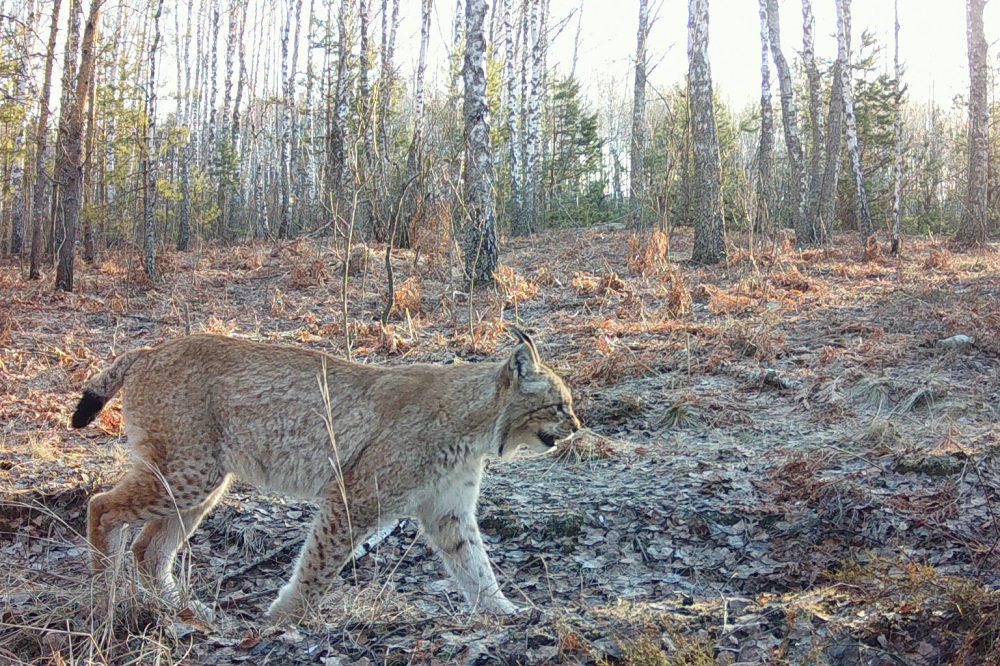
Wolf packs now hunt throughout the expansive buffer zone that stretches across Ukraine and Belarus, while brown bears have reestablished themselves after being absent for over 100 years. Numbers of lynx, moose, red deer and feral dog packs have all recovered significantly.
The Przewalski’s horses, originally from Mongolia and previously facing extinction, arrived in 1998 as part of a scientific study.
Called “takhi” in their native Mongolia, meaning “spirit,” these horses differ genetically from domestic varieties, possessing 33 chromosome pairs versus 32 in farm horses. Their current scientific name honors the Russian explorer who first documented them officially.
“The fact that Ukraine now has a free-ranging population is something of a small miracle,” said Denys Vyshnevskyi, the zone’s lead nature scientist.
Without human interference, sections of the exclusion zone now mirror what European wilderness looked like hundreds of years ago, he explained, noting: “Nature recovers relatively quickly and effectively.”
Evidence of this recovery appears throughout the region. Vegetation grows through abandoned structures, pathways disappear into woodland, and deteriorating Soviet-era markers stand next to tilted wooden crosses in overgrown graveyards.
Remote cameras reveal the horses displaying remarkable adaptability. They take refuge in deteriorating barns and empty houses, using these structures for protection from severe weather and insects — sometimes even sleeping indoors.
The horses organize into small family units — usually one male leading several females and their offspring — while separate groups of younger males form their own bands. Though many perished initially after their release, survivors have successfully adjusted.
Monitoring these animals requires patience. Vyshnevskyi frequently spends hours driving solo, installing motion-activated cameras in concealed housings secured to trees.
While radiation levels remain elevated, researchers haven’t documented mass deaths, though more subtle impacts are noticeable. Some amphibians have developed darker pigmentation, and birds in high-radiation zones show increased rates of cataracts.
Yet new dangers have appeared.
Russia’s 2022 military offensive brought combat through the exclusion zone as forces moved toward Kyiv, with soldiers excavating defensive positions in contaminated earth. Blazes connected to military operations burned through forested areas.
Severe wartime winters have also caused damage. Power grid destruction left nearby managed regions without essential services, and researchers document rising numbers of fallen trees and animal deaths — victims of both extreme weather and rapidly constructed military fortifications.
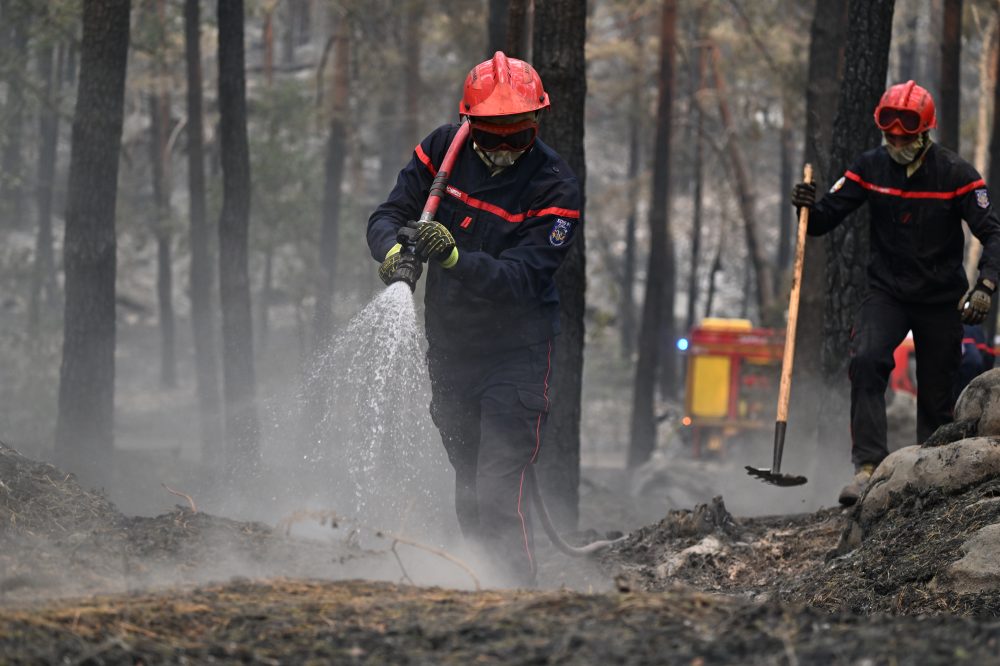
“Most forest fires are caused by downed drones,” said Oleksandr Polischuk, who leads a firefighting unit in the zone. “Sometimes we have to travel dozens of kilometers to reach them.”
These fires risk releasing radioactive particles back into the atmosphere.
Currently, the zone functions as more than an accidental wildlife preserve. It has transformed into a heavily surveilled military passage, featuring concrete blockades, razor wire and explosive devices — creating what observers call a landscape of stark beauty.
Workers cycle through assignments to minimize radiation exposure. Chernobyl will likely stay restricted for many generations — too hazardous for human settlement, yet teeming with animal life.
“For those of us in conservation and ecology, it’s kind of a wonder,” Vyshnevskyi said. “This land was once heavily used — agriculture, cities, infrastructure. But nature has effectively performed a factory reset.”