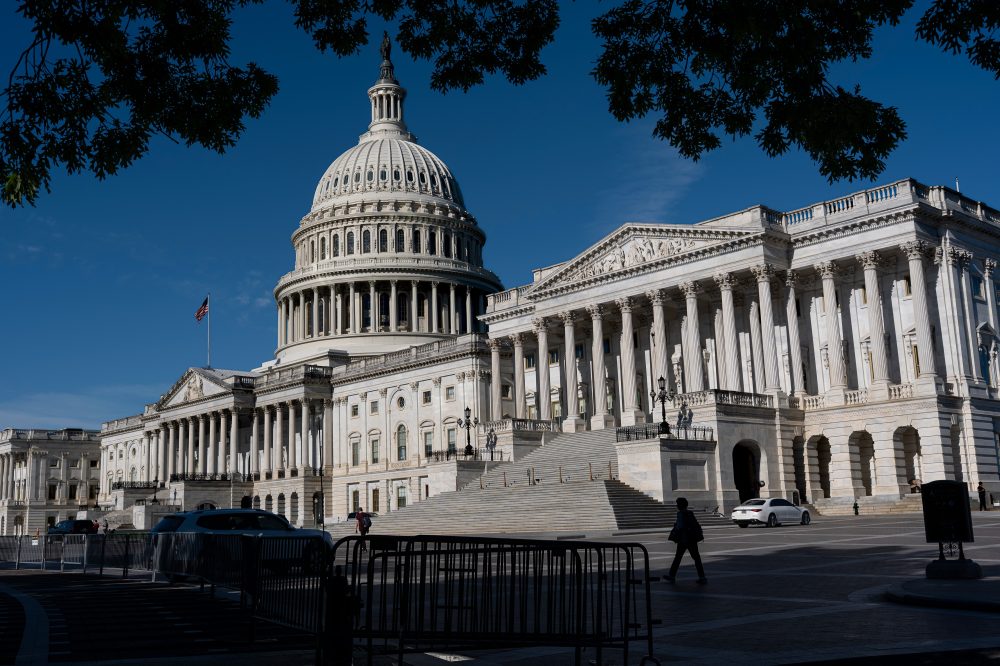

The future of the White House Correspondents’ Association dinner remains uncertain more than three weeks after a shooting incident threw the prestigious event into turmoil at the Washington Hilton.
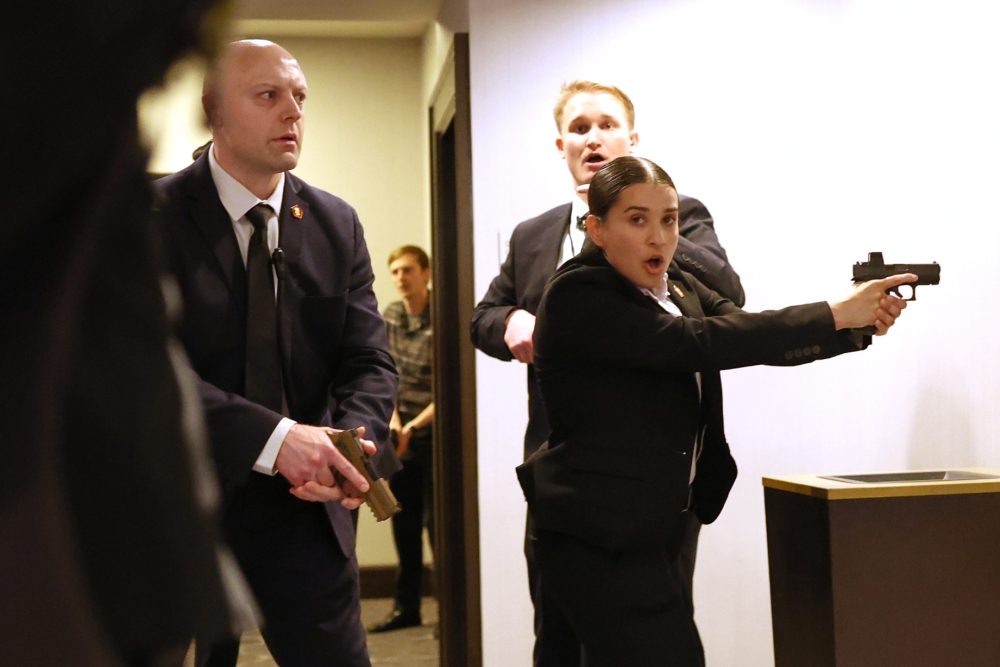
A gunman stormed the hotel lobby and fired shots in what authorities describe as an assassination attempt on President Donald Trump. The incident has left organizers struggling to determine whether and how to reschedule the gathering.
Association president Weijia Jiang of CBS News, speaking from China where she was covering Trump, stated the organization “continues to weigh options for rescheduling the event.” Jiang was present during the shooting and took cover alongside the president when gunfire erupted.
“We will do this again,” Jiang declared at the time. Trump subsequently posted on social media that the dinner would be rescheduled within 30 days, though the decision doesn’t rest with him. That timeline would place the event later this month.
Such timing appears unlikely for an event typically hosting nearly 3,000 attendees. Sources indicate WHCA board members are exploring smaller venues, recognizing that any rescheduled event would need significant downsizing due to financial and security considerations. Officials don’t anticipate returning to the Washington Hilton or hosting a full-scale dinner anywhere.
Beyond logistical challenges, some critics are questioning whether the event should proceed at all. Those already uncomfortable with media figures socializing with the officials they cover are increasingly suggesting the dinner be permanently canceled.
Kelly McBride, an ethics specialist at the Poynter Institute journalism think tank, has long criticized the event as presenting a “bad look.” Despite supporters’ arguments that the dinner raises scholarship funds and celebrates First Amendment freedoms, McBride maintains her opposition.
“It undermines the public faith in how the press does its work, and it makes it looks like we are pals with the people we cover,” McBride explained.
McBride called the attack “deeply unfortunate,” noting that a Secret Service officer was wounded and is recovering. She emphasized that managing public perception now presents additional challenges, particularly with heightened security requirements.
“You’d have to make the Secret Service happy,” she observed. “I don’t know you do that unless it is in a government facility. But it can’t be in a government facility.” Such a venue would appear to compromise the WHCA’s independence.
McBride believes the situation highlights fundamental problems with an event whose original mission has been overshadowed by presidential attendance.
“I can’t imagine how they can possibly redo this event this year in a way that would accomplish everything they need,” she stated. “It sure would be easier just to call the whole thing off.”
However, some security professionals dispute concerns about the event’s safety.
“Can it be done safely? I would argue that it was done safely the first time,” said Jeff James, a former Secret Service officer who now operates a security company.
James pointed out that the attacker “never even got to the same floor as the president. He was stopped within about 30 feet of reaching the middle perimeter.” He emphasized the gunman “never came close to being within handgun range, let alone shotgun range,” calling the response a clear Secret Service success.
Anthony Cangelosi, a former Secret Service agent and instructor at the John Jay College of Criminal Justice, also praised the response and noted agents were prepared for such a “lone wolf” scenario. The suspect, Cole Tomas Allen of Torrance, California, was staying at the hotel during the incident.
“Obviously the optimal venue is one where there is nobody (else) there, like an arena, where the only people are the attendees and the protectees,” Cangelosi explained. “But you have to work with what you have, and they did a very good job.”
Jodie Ginsberg, chief executive officer of the Committee to Protect Journalists, attended the dinner to highlight press freedom issues but has grown concerned about the event’s priorities.
“It’s a big, extremely expensive social event at a time when journalists are being laid off in continuing high numbers,” Ginsberg observed.
She expressed frustration that during a time when “journalists are under threat like never before — last year was the deadliest year ever in CPJ’s history for journalists — more journalists being harassed online, more journalists are in jail than ever before, journalists in the U.S. are being raided by the FBI, arrested covering protests, knocked to the ground by ICE,” these issues receive little attention during “those four days of parties.”
Ginsberg worries that “we’re still sort of raising a toast to press freedom, yet often without having the courage to stand up in its defense when it actually gets threatened.”
Former CBS News executive Marcy McGinnis opposes rescheduling for practical reasons, noting the scholarship funds had already been collected.
“I am troubled by the optics, for sure,” McGinnis, co-founder of Exact Communication, acknowledged. “But I believe journalists who believe in true journalism, and holding power to account, will and are able to do their job when they have to cover someone — even if they hobnobbed at the dinner.”
One venue Trump suggested is definitively off the table: his unfinished White House ballroom.
“We need the ballroom,” the president stated, with his Justice Department using the issue to pressure preservationists to abandon their lawsuit over the $400 million project on the former East Wing site.
This option remains impossible for multiple reasons beyond its incomplete status. “It can never be in the ballroom,” McBride emphasized, for the WHCA to preserve any credibility.
Regardless of whether and where the event might be rescheduled, at least one attendee has made her decision.
“I’m never going to another,” declared Ginsberg of the CPJ. “I’ve had this conversation with a few colleagues from different organizations. I think the time has come to think about how we spotlight the importance of the First Amendment, of a free press, of the importance of journalism in a different way. I don’t think that this is it.”