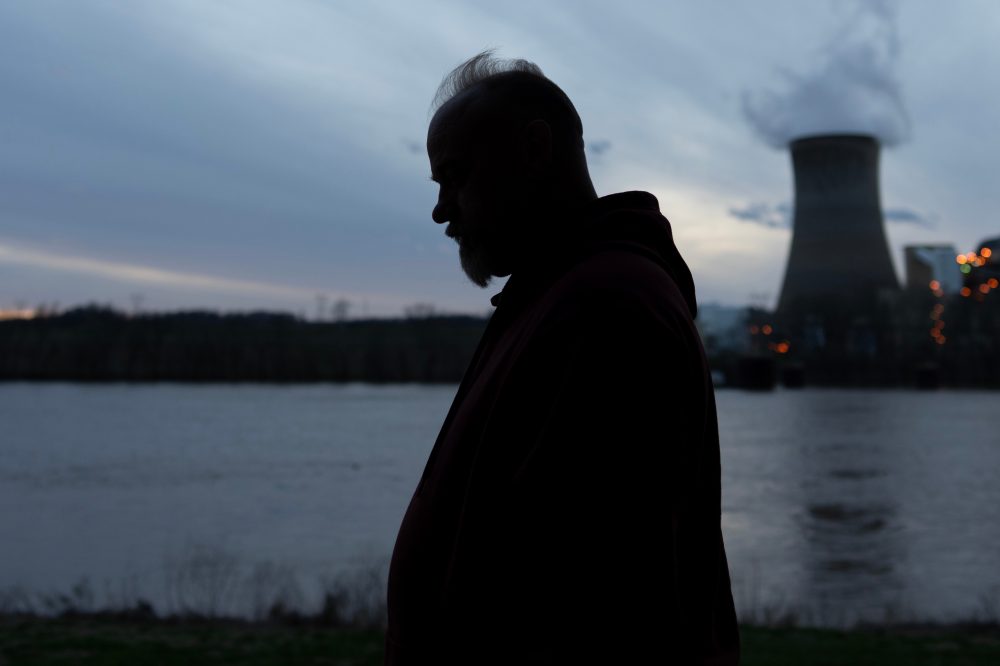

WEST COLUMBIA, W.Va. (AP) — Stacks of electricity bills cover Eric Pinson’s desk in organized rows, a constant reminder of the financial crisis hitting his camping trailer park in West Virginia. Located near a proposed data center and within sight of a massive coal-fired power plant that recently received millions in Trump administration funding for improvements, his facility has become ground zero for an affordability crisis.
The trailer park had served as a last resort for people barely getting by financially. However, when power costs spiked last year, Pinson had no choice but to raise his all-inclusive monthly rent from $350 to $400. The increase forced at least 16 residents to leave, including some who had lived there for years.
“They were just right on the edge. … It’s hard, just watching it happen, and so many of them,” he said, adding out-of-state workers have moved in to replace them as the state woos big investments such as data centers. “It’s all about change.”
Across West Virginia, thousands of residents have been sharing images of monthly utility bills they cannot afford to pay. Their frustration centers on skyrocketing energy costs that have exceeded rent and mortgage payments this winter in one of America’s most energy-abundant yet economically disadvantaged regions.
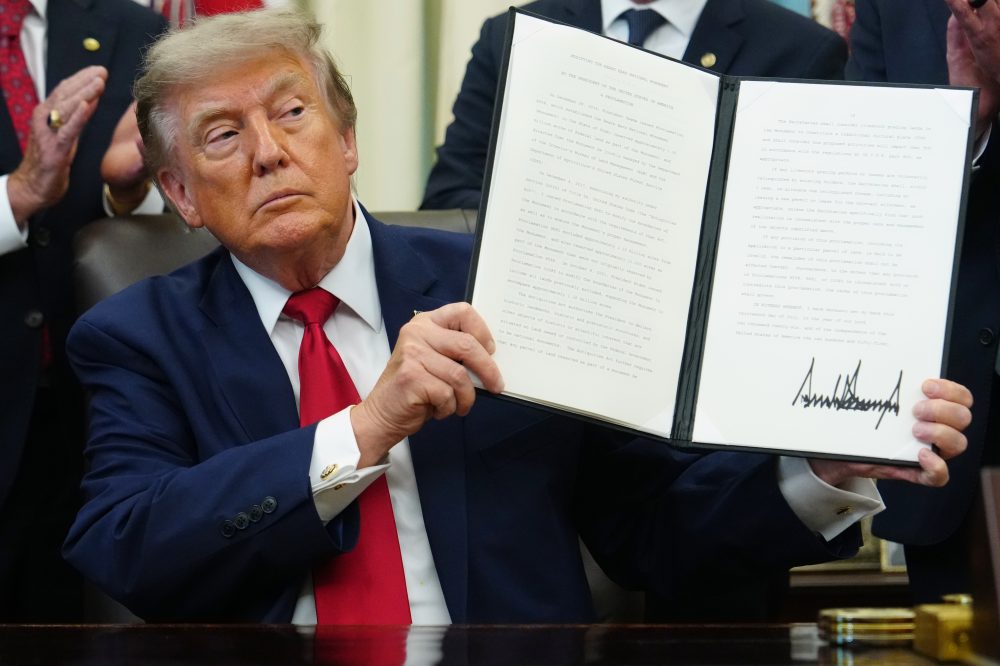
During his campaign, President Donald Trump pledged to “make America affordable again” by promising to slash Americans’ power bills by at least 50% within his first 12 to 18 months in office.
However, electricity costs climbed 4.8% nationwide in February, while natural gas prices surged 10.9% compared to the previous year, according to Labor Department Consumer Price Index data. These increases outpaced overall inflation even before recent U.S. and Israeli military actions against Iran caused energy prices to spike further.
Rebecca Michalski, who lives with a disability, was compelled to secure a loan this winter just to cover her electric bill due to excessive heating expenses. Her February statement totaled $940.08 — exceeding both her fixed income and mortgage payment. She remains behind on her bills and anticipates her power will eventually be disconnected.
“It’s breaking me. And there’s nothing that can be done for it, unless the president does something,” said Michalski, adding she no longer supports Trump. “And I don’t see him doing it. He’s had plenty of time.”
The White House stated that reducing electricity costs remains a primary objective for the president, emphasizing that he is “aggressively unleashing reliable energy sources like coal and natural gas.”
West Virginia stands apart nationally due to its reluctance to embrace cleaner, more cost-effective energy alternatives such as natural gas, nuclear power, and renewable sources like wind and solar. The state maintains its dependence on outdated coal-fired power facilities more than any other state — generating approximately 87% of its electricity from coal.
While monthly utility bills may be higher in other states, West Virginia wages have failed to keep up — it remains the only state where the median inflation-adjusted household income in 2023 fell below 1970 levels, according to Urban Institute research.
Rising demand, severe weather conditions, infrastructure modernization and maintenance costs, and increasing natural gas prices are all driving electricity bills upward. Customers are also growing concerned as more energy-intensive data centers for artificial intelligence and cloud computing are planned. They’re raising questions about noise pollution, massive water usage, and potential impacts on their electricity rates.
In February, Gov. Patrick Morrisey unveiled plans for a $4 billion data center spanning nearly 550 acres in Berkeley County.
Charles “Duke” Hodge expects another data center to be constructed near his mobile home. The veteran and former railroad employee lives with his two dogs in the riverside park that has lost multiple camping trailers over the past year due to rising energy costs. While he’s in a slightly better financial position, he’s been forced to occasionally work part-time jobs to help cover his expenses. During peak summer months, he paid up to $140 monthly for electricity. But once he activated his heating system last fall, his bills began climbing dramatically.
“Once fall hits, everybody expects it to go up, but not 200 to 300%,” he said. “I went from $120 a month to $275, then it went to $350. Now, the last one was $450.”
That amount exceeds his mortgage payment by $60.