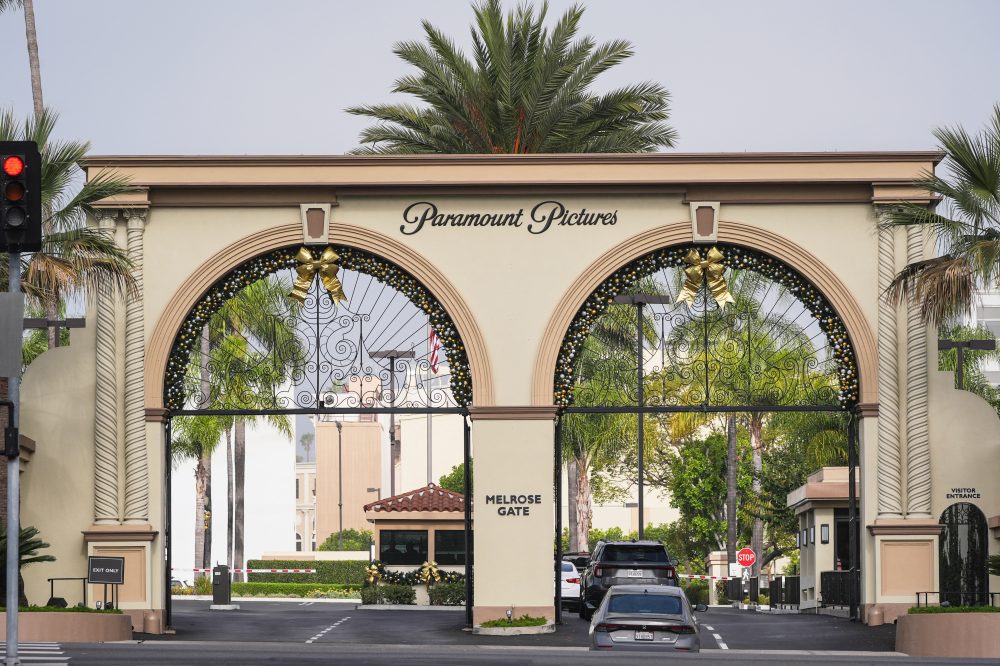

NEW YORK — In a move that could dramatically transform the entertainment industry, Warner Bros. Discovery shareholders have given their approval for an $81 billion acquisition by Paramount, the company behind CBS and hit films like “Top Gun.”
The preliminary vote count showed overwhelming shareholder support for the massive buyout, which carries a total value of approximately $111 billion when including existing debt obligations. The transaction would create one of the largest media conglomerates in the world.
Should regulators give their blessing, this mega-deal would significantly alter Hollywood’s landscape by further concentrating control among fewer major corporations. The entertainment industry has already seen substantial consolidation in recent years, with Paramount itself being purchased by Skydance just last year.
The merger’s impact would be felt across multiple sectors of the media business, from streaming platforms to movie production and television news.
Under the new ownership structure, Paramount Skydance would control both the Paramount+ streaming service and Warner’s HBO Max platform. Company leadership has indicated plans to merge these services into a single streaming offering.
While specific details about the combined platform remain unclear, including its eventual name, Paramount CEO David Ellison has suggested that HBO would maintain some operational independence, particularly in content creation.
“Our view point is, HBO should stay HBO,” Ellison stated during a recent conference call. “They built a phenomenal brand, they are a leader in this space and we just want them to continue doing more of it. But by bringing the platforms together, all of our content will be able to reach even a broader audience than we can do standalone.”
Warner brings an impressive content portfolio to the table, including popular series like “The Pitt,” “Game of Thrones,” and “Sex and the City” through its HBO platform. The company’s film library features major franchises including “Harry Potter,” along with recent hits like “Sinners,” “Barbie,” and “Superman” through its ownership of DC Studios. Paramount contributes its own valuable catalog, featuring franchises such as “Top Gun,” “Titanic,” “The Godfather,” and “Yellowstone.”
According to streaming analytics from JustWatch, HBO Max captured roughly 12% of U.S. on-demand subscriptions during the first quarter of this year, while Paramount+ held about 3% market share. Even when combined, their joint platform would trail behind Prime Video’s 17% share and Netflix’s 19% dominance. Disney maintains the largest presence with approximately 27% of the market split between Hulu and Disney+.
The acquisition would also bring Warner’s Discovery+ service under Paramount’s control, adding to the company’s existing portfolio that includes Pluto TV and BET+.
Industry observers have raised concerns about the consumer impact of this consolidation. While Paramount executives tout the benefits of expanded content libraries and improved competitive positioning against larger rivals, critics argue that reducing platform options could ultimately lead to higher subscription costs for consumers, especially as streaming prices continue to rise across the industry.
The merger would unite two of Hollywood’s most historic studios, further concentrating legacy film production among fewer companies.
Ellison has outlined plans for the combined entity to produce more than 30 films annually, maintaining Paramount and Warner Bros. as separate operational units. During a high-profile appearance at CinemaCon, he committed to a 45-day exclusive theatrical window for new releases, emphasizing a “complete commitment” to the cinema industry.
However, concerns persist about potential job losses and project decisions under the new ownership structure. Regulatory documents suggest the company will seek cost reductions through workforce cuts and eliminating redundant operations, as Paramount takes on substantial debt to finance the acquisition.
Warner Bros. recently enjoyed significant success with both commercial hits and critical acclaim. The studio earned 30 Oscar nominations from films including “Sinners,” “Weapons,” and “One Battle After Another,” with the latter winning Best Picture. In contrast, Paramount received no nominations. Warner Bros. films captured 21% of the 2025 domestic box office through releases like “A Minecraft Movie,” “Superman,” and “Sinners,” while Paramount managed only 6%, primarily from “Mission: Impossible — The Final Reckoning.”
The entertainment sector has undergone significant consolidation over the past decade. Disney’s acquisition of most 20th Century Fox assets nearly ten years ago reduced the “big six” studios to five major players. If this Warner sale proceeds, the industry would enter a “big four” era, with an expanded Paramount joining Disney, Universal, and Sony as the dominant forces.
One of the most scrutinized aspects of this deal involves CNN’s future under Paramount ownership, which would place it alongside CBS under the same corporate umbrella. This pairing would bring together two major American television news operations, though whether CNN would maintain its separate brand identity remains uncertain.
The prospect of Paramount controlling CNN has generated considerable concern, particularly given President Trump’s history of criticism toward the network and his connections to the Ellison family. Larry Ellison, the Oracle founder and billionaire father of David Ellison, is providing significant financial backing for his son’s acquisition bid.
CBS has already undergone notable editorial changes since Skydance’s takeover less than a year ago. The network has made deliberate moves to attract more conservative viewership, including appointing Free Press founder Bari Weiss as editor-in-chief of CBS News. Industry watchers anticipate similar transformations at CNN should the Warner acquisition succeed.
Trump administration officials have been vocal about CNN’s potential ownership change. Secretary of Defense Pete Hegseth told reporters in March that “the sooner David Ellison takes over that network, the better,” following White House criticism of CNN’s coverage regarding the U.S. and Israel’s conflict with Iran.
Ellison has pledged that editorial independence “will absolutely be maintained” under Paramount’s control. “It’s maintained at CBS. It’ll be maintained at CNN,” he told CNBC’s “Squawk on the Street” in March, while expressing his company’s desire to appeal to “the 70%” of viewers he described as center-left or center-right.
The Justice Department’s antitrust division’s acting head has stated that their regulatory review will remain apolitical. Nevertheless, skeptics point to the timing of Skydance’s Paramount acquisition approval by the Federal Communications Commission, which came just weeks after the company paid Trump $16 million to settle litigation related to CBS’s “60 Minutes” program editing. Trump has maintained his public criticism of “60 Minutes” since the settlement.
CNN represents just one component of Warner’s extensive cable television portfolio. The proposed merger would substantially expand Paramount’s television presence beyond its current holdings.
Warner’s cable networks include Discovery, TNT, TBS, Food Network, Cartoon Network, and Animal Planet, all of which would transfer to Paramount ownership upon deal completion. Paramount already operates a substantial broadcast portfolio featuring CBS, Nickelodeon, MTV, BET, Comedy Central, Showtime, and additional networks.