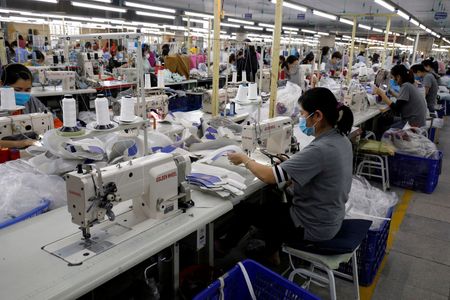

Vietnam is finding itself at a competitive disadvantage in the U.S. apparel market after being subjected to higher American tariffs than several rival nations — and being left out of a new program that could offer some relief to those competitors.
A notice published in the Federal Register on Thursday outlined the new tariff structure, which could ripple through the supply chains of major clothing brands that rely heavily on Vietnamese manufacturing. Nike, Gap, Ralph Lauren, and Under Armour are among the largest investors operating in Vietnam, though none of those companies responded to requests for comment.
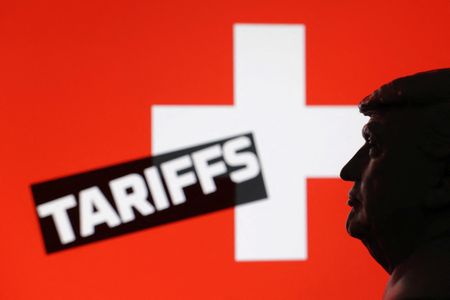
The new tariffs, set at 10% and 12.5%, took effect Friday and apply to 60 trading partners accused of failing to adequately enforce bans on forced labor. Vietnam, which is still in trade negotiations with the U.S. under the Trump administration, was assigned the higher 12.5% rate — the same level applied to China. Meanwhile, Bangladesh, Cambodia, Indonesia, and Malaysia, all of which have completed trade agreements, face the lower 10% rate.
These new tariffs are designed to replace temporary 10% duties that expired Friday. Those temporary measures had been put in place after the U.S. Supreme Court struck down the Trump administration’s so-called “reciprocal” tariffs — which ranged from 10% to 50% — in February, ruling that they had been imposed improperly under emergency powers.
Vietnam only recently surpassed China to become the single largest supplier of clothing to the American market. The country also carries one of the largest trade surpluses with the United States, according to federal trade data.
The disadvantage facing Vietnam is twofold. Not only does the country face a higher tariff rate than some competitors, it was also excluded from a new “textile mechanism” that could allow Bangladesh, Cambodia, Indonesia, and Malaysia to reduce or even eliminate additional tariffs on a portion of their apparel exports to the U.S.
Under this mechanism, which is set to be established “when feasible” and is initially planned to run for three years, eligible countries could qualify for reduced duties through a quota system tied to how much U.S. cotton and textile materials they purchase. Vietnam was not included among the beneficiaries.
Vietnam’s foreign and trade ministries had not responded to requests for comment at the time of publication.