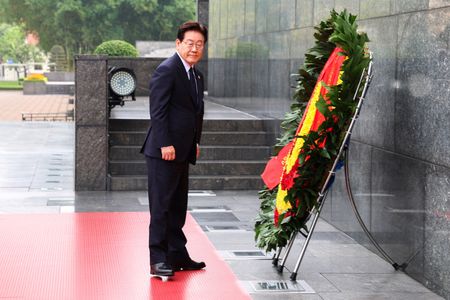

Leaders from Vietnam and South Korea have forged stronger ties in nuclear energy and advanced technology during a high-level meeting in Hanoi this week, as both nations work to reinforce supply chains during uncertain global trade conditions.
Vietnamese top leader To Lam and South Korean President Lee Jae Myung witnessed the signing of 12 non-binding agreements covering energy, technology, and security partnerships during their Wednesday gathering – marking their second diplomatic encounter since August. Among the key areas of collaboration is exploring opportunities for nuclear power plant construction and financing.
The Southeast Asian nation is actively searching for a development partner to build a nuclear facility with 2 to 3.2 gigawatts of capacity by 2035, following Japan’s departure from the project due to concerns about the compressed timeline.
As one of Southeast Asia’s most rapidly expanding economies, Vietnam has occasionally faced challenges meeting rising electricity demands as its manufacturing sector grows. South Korea stands as Vietnam’s top foreign investor, with numerous Korean corporations operating significant production facilities throughout the country.
Following their discussions, the leaders outlined plans for enhanced economic integration. “We agreed to support Vietnamese businesses in joining South Korea’s production, supply and distribution chains, contributing to the development of an independent and self-reliant economy,” Lam stated after the meeting.
Lee, who arrived in Vietnam with an extensive business delegation after visiting India, emphasized their shared commitment to stability. “We agreed to work more closely together to strengthen energy security and stabilize supply chains,” the South Korean president remarked.
Vietnam faces mounting pressure from Washington to decrease its reliance on Chinese electronic components, as the U.S. administration has intensified oversight of potential Chinese goods being channeled through Vietnam to circumvent American tariffs. The majority of Vietnam’s exports are destined for U.S. markets.
Both nations reconfirmed their commitment to expanding bilateral trade volume to $150 billion by 2030, up from last year’s total of $89.5 billion, according to Vietnamese government data.
As a leading exporter of mobile phones and electronic devices, Vietnam is actively pursuing a transition toward more advanced technological capabilities.
Samsung, Vietnam’s largest foreign corporate investor with over $20 billion invested primarily in electronics manufacturing facilities, has engaged in ongoing discussions with Vietnamese officials regarding a potential semiconductor backend facility. Sources familiar with these negotiations indicate recent progress in the talks.
Major multinational companies including Intel and Amkor operate substantial backend chip manufacturing plants in Vietnam, concentrating on labor-intensive semiconductor assembly, testing, and packaging operations.