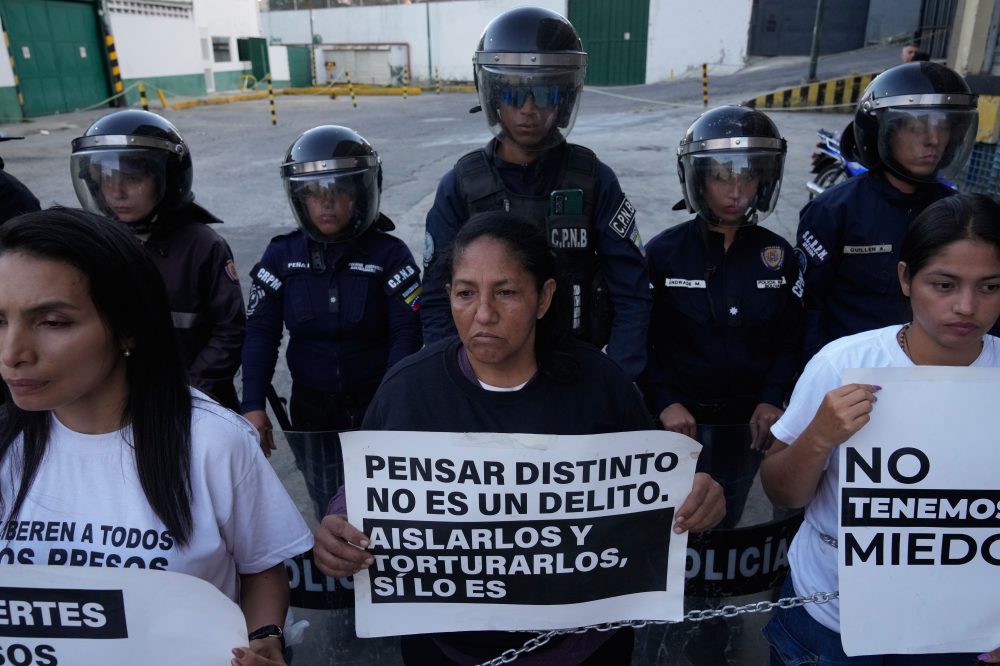

CARACAS, Venezuela — Associated Press correspondent Regina Garcia Cano spent months documenting an unprecedented demonstration by Venezuelan women who established a makeshift camp outside a detention facility in the nation’s capital, demanding freedom for their imprisoned spouses.
Garcia Cano, working alongside video journalist Juan Arraez and photographer Ariana Cubillos, followed the daily lives of approximately 30 women during their remarkable 64-day vigil outside the Caracas police facility where their husbands were being detained.
The extended demonstration pushed both the participants’ physical endurance and mental strength to their limits, while simultaneously challenging the Venezuelan authorities’ typical harsh response to public dissent. Although the temporary encampment was eventually dismantled and the women returned to their homes, their mission remains incomplete — they continue searching for ways to secure their husbands’ freedom.
The following account comes from Garcia Cano’s interview with story editor Del Quentin Wilber.
Venezuelan citizens were shocked when the Trump administration chose to support a government loyalist rather than opposition leaders to govern the South American nation following the U.S. military’s removal of former President Nicolás Maduro in January. Under acting President Delcy Rodríguez, the new administration immediately freed all American prisoners but left hundreds of Venezuelans, whom human rights organizations claim are political prisoners, behind bars.
Just five days following Maduro’s capture, officials announced plans to release a substantial number of detainees, and subsequently, Rodríguez enacted amnesty legislation that could potentially help thousands of dissidents and opposition members currently or previously imprisoned.
Following these announcements, dozens of women — primarily wives and mothers of detained individuals — assembled outside correctional facilities, detention centers, and jails, anticipating their relatives’ release. When their loved ones failed to emerge, many women refused to disperse and established permanent camps outside these same facilities to maintain pressure on Venezuelan leadership.
Such public demonstrations would have been inconceivable before January 3rd. Until that point, Venezuela’s ruling party had demonstrated zero tolerance for any form of public opposition. This was particularly evident following the 2024 presidential contest, which Maduro declared he had won despite substantial credible evidence indicating otherwise.
Following the election, authorities detained more than 2,000 individuals, many of whom had not participated in any demonstrations whatsoever. Citizens became frightened and ceased public expressions of dissent.
These women represent the first Venezuelan citizens to openly confront the ruling party since Maduro’s removal. The predominantly reserved homemakers had never engaged in political activism before. They overcame their fears, ignored advice from relatives and friends to remain silent, and accepted the risk of arrest to confront government authorities. In most cases, their courage paid off.
Video journalist Juan Arraez and I conducted interviews with numerous women demonstrating outside detention facilities. He even spent several nights sleeping at the camp where Mendoza and Rosales were staying.
We concentrated our coverage on Mendoza and Rosales because both women dedicated considerable time to camping outside the jail, abandoning their children and normal routines. Though they were complete strangers initially, they developed a close friendship through their common struggle.
Furthermore, their families exemplify two different but typical Venezuelan experiences. Rosales and her spouse both work for the government, support the ruling party, and reside in a formerly prosperous neighborhood. In contrast, Mendoza and her husband remained politically neutral and relied primarily on private sector employment.
While this story centered on protest activities, it also explored the profound bonds formed between women.
Witnessing the evolution of these women’s relationships was truly remarkable. They transformed from timid, quiet, and wary strangers into talkative, open, and mutually supportive friends. As a group, they mastered the art of protesting, learned to use amplification equipment, developed skills in legislative advocacy, and even figured out how to work within prison regulations. They provided comfort to each other during emotional moments and celebrated each other’s successes. Their conversations covered everything from fears and love to parenting challenges and personal uncertainties.