
ISLAMABAD (AP) — American and Iranian officials are preparing for critical peace negotiations in Pakistan’s capital as their delicate two-week ceasefire approaches its Wednesday expiration date, according to two regional officials who spoke Tuesday.
While neither Washington nor Tehran has publicly announced the meeting schedule, Iranian state media has denied that any official representatives have arrived in Islamabad.
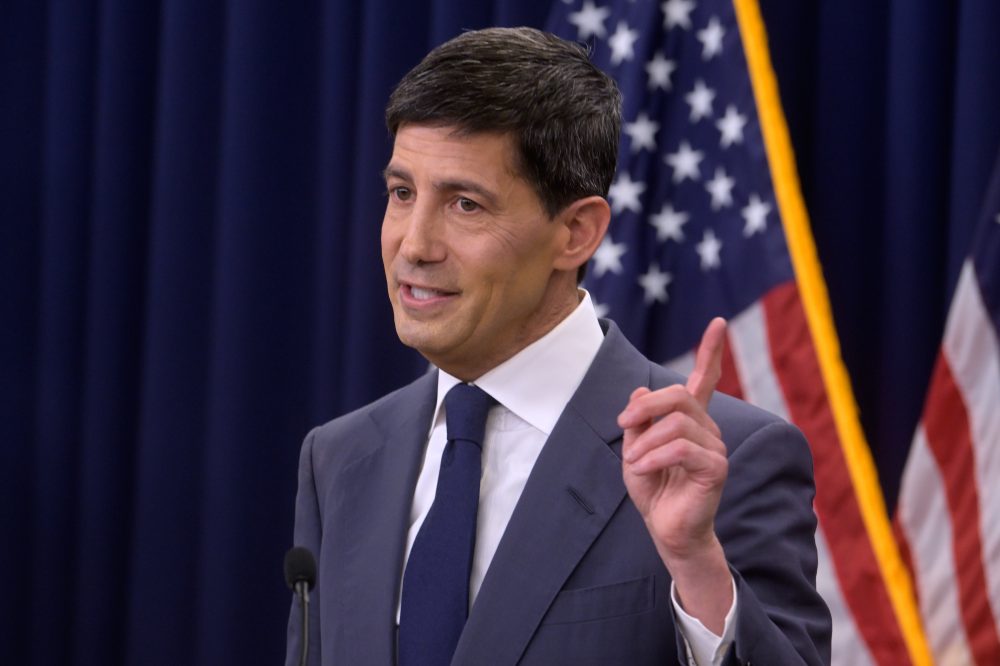
Pakistani mediators have received word that lead negotiators – U.S. Vice President JD Vance and Iranian Parliament Speaker Mohammad Bagher Qalibaf – are expected to touch down in Islamabad early Wednesday to guide their respective teams through the discussions, the officials informed The Associated Press.
The sources requested anonymity as they lacked permission to speak with media.
The temporary halt to hostilities that took effect April 8 was scheduled to conclude Wednesday.
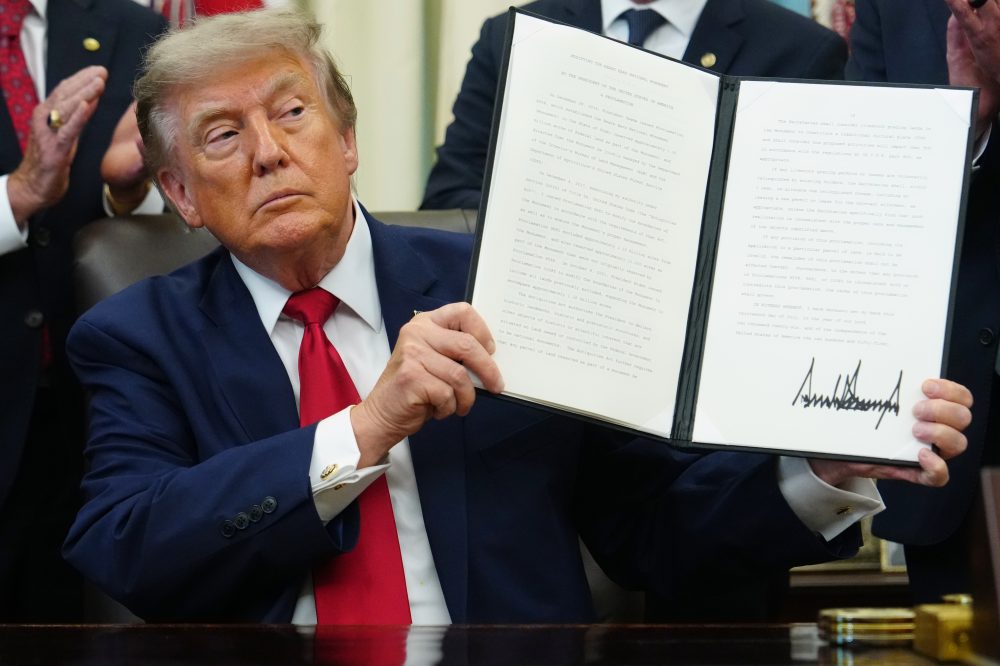
Each side continues to maintain firm public positions, with President Donald Trump cautioning that “lots of bombs” will “start going off” without an agreement before the ceasefire ends, while Iran’s lead negotiator declared that Tehran possesses “new cards on the battlefield” that remain unrevealed.
An extension of the ceasefire appears probable should negotiations restart. White House representatives have confirmed Vance will head the U.S. team, though Iran has not disclosed its delegation leader, with Iranian state broadcasting airing a statement Tuesday claiming “no delegation from Iran has visited Islamabad … so far.”
Iranian state media has historically been influenced by hardline factions within the country’s religious government, and Tuesday’s broadcast message likely demonstrates ongoing internal discussions within Iran’s leadership regarding how to address the weekend seizure of an Iranian cargo vessel by U.S. naval forces.
American military personnel boarded a sanctioned oil tanker involved in smuggling Iranian petroleum across Asia, according to Defense Department announcements.
The Pentagon shared on social media that U.S. forces “conducted a right-of-visit maritime interdiction” and boarded the M/T Tifani “without incident.” Vessel tracking information placed the Tifani in Indian Ocean waters between Sri Lanka and Indonesia.
The military statement emphasized that “international waters are not a refuge for sanctioned vessels.”
Washington has established a naval blockade around Iranian harbors to force Tehran to release its control over the Strait of Hormuz, a vital maritime corridor that carries 20% of global natural gas and petroleum during normal conditions.
Iran’s tight control of the waterway has driven energy costs higher, with Brent crude, the global benchmark, trading near $95 per barrel Tuesday – representing a 30% increase since February 28, when Israel and America launched joint military strikes against Iran that initiated the conflict.
Prior to the war’s outbreak, the Strait of Hormuz operated with full access for international maritime traffic, and Trump has insisted that ships must once again pass through the channel without obstruction.
European Union transport officials convened in Brussels Tuesday to address consumer protection measures after the International Energy Agency chief warned that Europe maintains “maybe six weeks” of remaining aviation fuel reserves.
Iran announced over the weekend that it had received fresh proposals from Washington, while also indicating significant differences persist between the parties. Disagreements that derailed previous negotiation rounds centered on Iran’s nuclear enrichment activities, its regional allied groups, and the strait’s status.
Qalibaf accused America Tuesday of seeking Iran’s capitulation and stated that conversely, Iran has been organizing “to reveal new cards on the battlefield.”
“We do not accept negotiations under the shadow of threats,” he posted on X.
Despite the public verbal sparring between both nations, Pakistani authorities have expressed optimism that Iran will dispatch a delegation late Tuesday to enable talks to proceed.
Pakistani Foreign Minister Ishaq Dar spoke Tuesday with Egyptian counterpart Badr Abdelatty regarding current regional developments as part of diplomatic preparations, Pakistan’s Foreign Ministry announced.
Dar additionally met with China’s ambassador, as Beijing serves as a major Iranian trade partner, while China’s Foreign Ministry described the conflict as reaching a “critical stage of transition between war and peace.”
“At such a moment, it is all the more necessary for all parties to show the utmost sincerity, remain committed to a political solution, maintain the momentum of the ceasefire and negotiations,” ministry spokesperson Guo Jiakun stated.
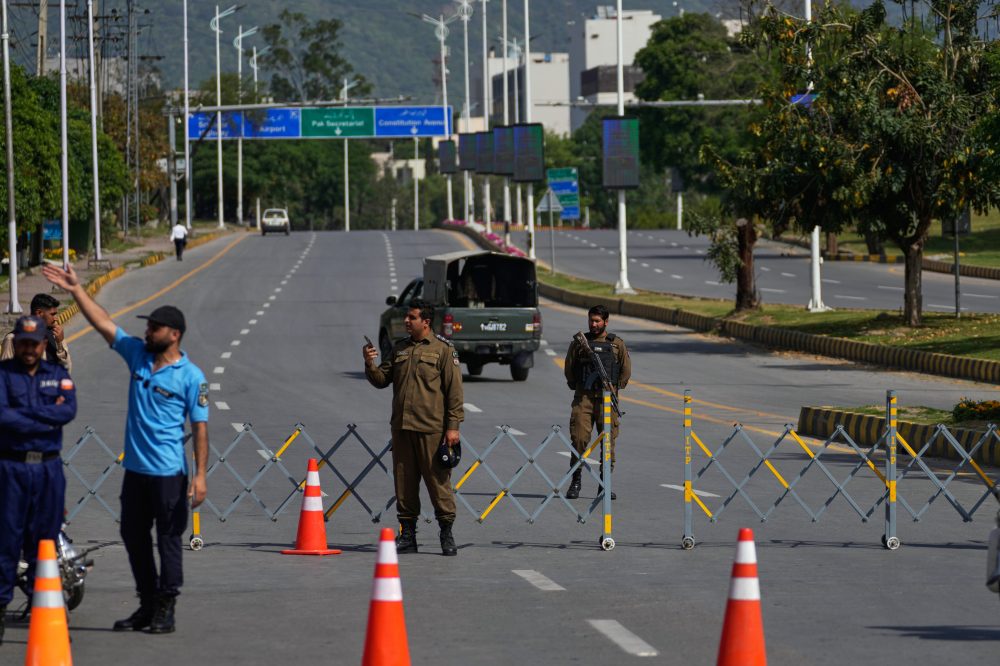
Pakistani officials have strengthened security throughout the capital, deploying thousands of personnel and increasing patrol activity along airport access roads.
The protective measures appear more extensive than those implemented during initial talks held in Islamabad April 11-12, indicating potential high-level participation should negotiations progress, according to Syed Mohammad Ali, an Islamabad-based security expert.
“Pakistan appears to be preparing for the possibility of visits by top U.S. and Iranian leaders if the talks advance to a stage where an agreement could be signed,” he informed The Associated Press.
Separately, groundbreaking diplomatic discussions between Israel and Lebanon are scheduled to continue Thursday in Washington, according to Israeli, Lebanese and American officials who requested anonymity to discuss private negotiations.
Israeli and Lebanese ambassadors conducted their first direct diplomatic meeting in decades last week. Israel states the discussions aim to disarm Hezbollah and achieve a peace accord with Lebanon.
Lebanon implemented a 10-day ceasefire beginning Friday, where combat between Israel and Iranian-supported Hezbollah fighters erupted two days following the joint U.S.-Israeli strikes on Iran that sparked the war. Lebanese fighting has resulted in over 2,290 deaths.
Since the conflict began, Iranian authorities report at least 3,375 fatalities in Iran. Additionally, 23 individuals have perished in Israel and more than twelve in Gulf Arab nations. Fifteen Israeli military personnel in Lebanon and 13 American service members across the region have lost their lives.