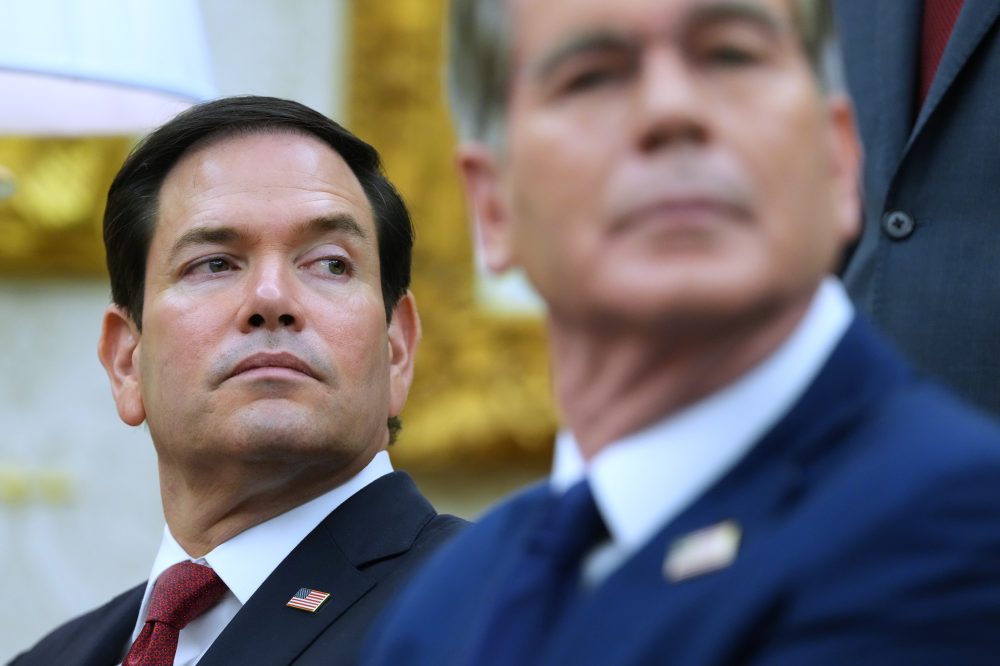

A temporary two-week ceasefire between the United States, Iran, and Israel has been brokered through Pakistani diplomatic efforts, with American and Iranian representatives scheduled to meet Friday for discussions about a permanent peace agreement.
Despite the agreement to hold talks, significant differences exist between Iran’s 10-point negotiation framework and the 15-point plan previously presented by Washington. President Trump described Iran’s proposal as providing “a workable basis” for discussions, though major disagreements remain unresolved.
Iran’s negotiation points include demands for uranium enrichment capabilities, which the United States has previously rejected. Additionally, Iran’s framework does not address its missile programs, which both America and Israel insist must be significantly reduced.
Pakistani Mediation Efforts
Pakistani Prime Minister Shehbaz Sharif announced the ceasefire agreement on social media platform X, stating both nations committed to an immediate halt to hostilities across all regions, including Lebanon where Israeli military operations had been conducted.
Sharif’s announcement did not reference either nation’s negotiation proposals and made no specific mention of any Israeli agreements. A Pakistani regional official indicated Iran might achieve many of its objectives, particularly regarding reconstruction assistance, compensation payments, and sanctions removal, but uranium enrichment approval remains unlikely.
American Position and Previous Proposals
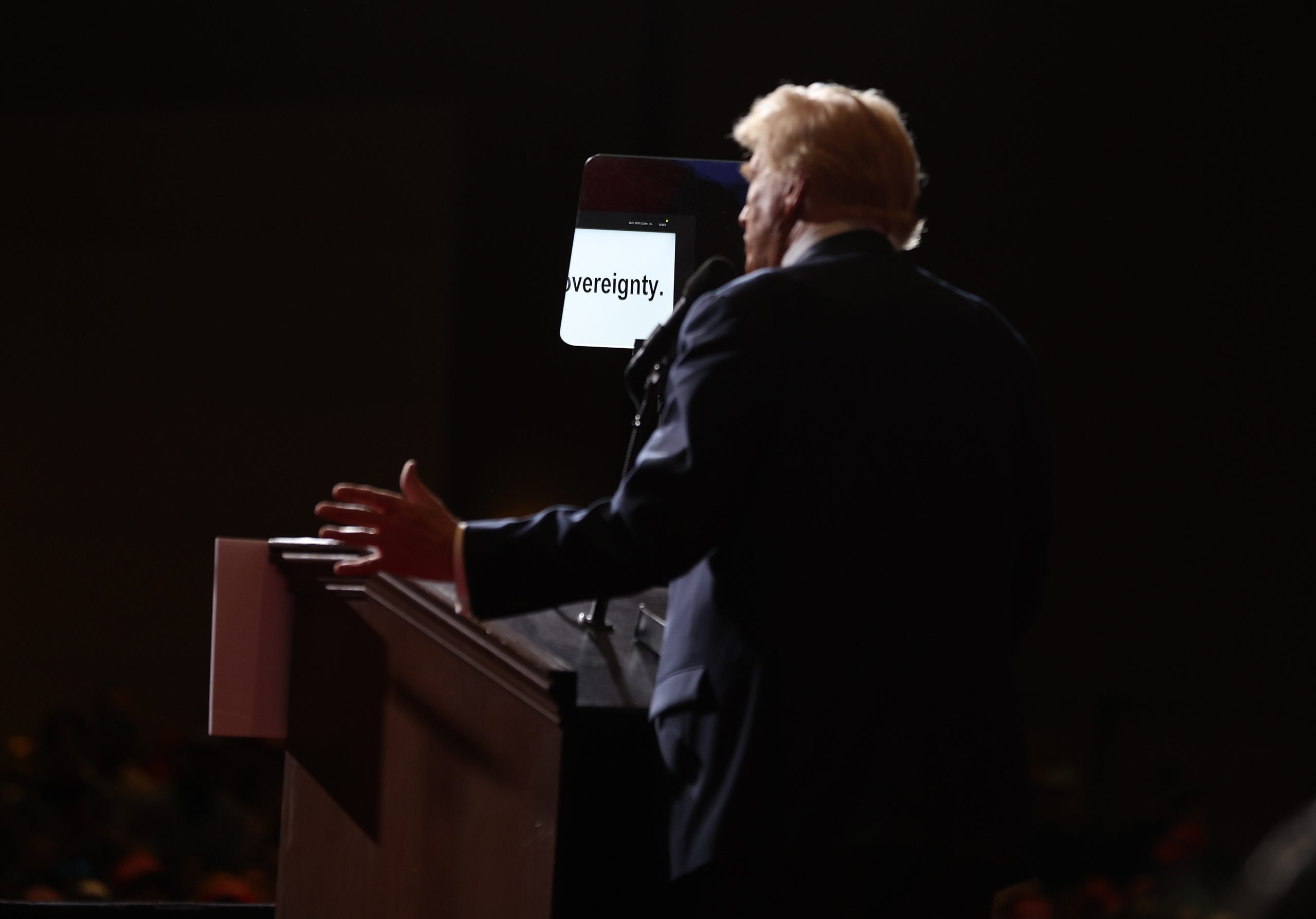
President Trump announced on Truth Social that U.S. military operations against Iran would be suspended for two weeks, contingent upon Iran ensuring “the COMPLETE, IMMEDIATE, and SAFE OPENING of the Strait of Hormuz.”
Trump stated the parties were “very far along with a definitive Agreement concerning Longterm PEACE with Iran, and PEACE in the Middle East.” While acknowledging Iran’s 10-point framework offered “a workable basis” for negotiations, he did not detail specific points and claimed resolution of previously contentious issues.
Israeli sources revealed Trump’s earlier 15-point proposal, transmitted to Iran through Pakistani channels, demanded elimination of Iran’s highly enriched uranium stockpiles, cessation of enrichment activities, restrictions on ballistic missile development, and termination of funding for regional proxy groups.
Iranian Demands and Conditions
Iranian Foreign Minister Abbas Araqchi announced Iran’s agreement to suspend what it characterized as “defensive operations” contingent upon cessation of attacks against Iran, based on American requests for negotiations using Washington’s 15-point framework and Trump’s acceptance of Iran’s 10-point plan as a negotiation foundation.
Araqchi stated safe maritime passage through the Strait of Hormuz would be permitted for two weeks “via coordination with Iran’s Armed Forces and with due consideration of technical limitations.”
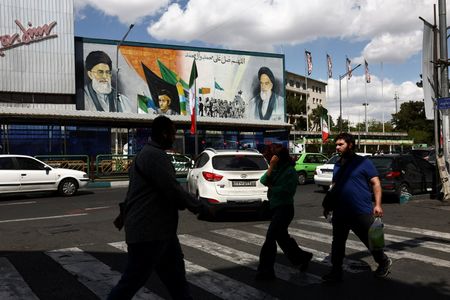
Iran’s Supreme National Security Council declared Washington had accepted Iran’s 10-point framework and “the United States has, in principle, committed to”: non-aggression policies; continued Iranian authority over the Strait of Hormuz; acceptance of enrichment activities; elimination of all primary and secondary sanctions; termination of all United Nations Security Council and International Atomic Energy Agency Board of Governors resolutions; withdrawal of American combat forces from the region; and cessation of military actions on all fronts, including against Islamic resistance forces in Lebanon.
Prior to the ceasefire agreement, a senior Iranian official had indicated Iran would impose transit fees for ships passing through the Strait of Hormuz, which is recognized as an international waterway.
Israeli Response
Israel confirmed its participation in the ceasefire with Iran but specified the agreement does not include suspension of military operations in Lebanon.
An Israeli official stated the United States coordinated the temporary ceasefire with Israel beforehand, noting Iran had agreed to open the Strait of Hormuz without commitments to permanent war termination, compensation payments, sanctions relief, or other concessions.
The official also indicated the Trump administration informed Israel that during the two-week negotiation period with Iran, the United States would demand removal of nuclear materials, cessation of enrichment activities, elimination of ballistic missile threats, and resolution of additional issues.