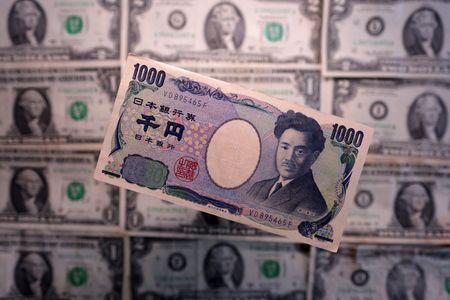

The US dollar maintained its position near a two-month peak Thursday as renewed tensions in the Gulf region drove oil prices upward and reduced investor willingness to take on risk, while Japan’s currency stayed close to critical levels that have market watchers anticipating possible government action.
Attacks by Iranian forces on Kuwait resulted in airport damage and dozens of injuries Wednesday, while American military forces conducted operations near the Strait of Hormuz, putting additional strain on an already fragile ceasefire and reducing prospects for a peaceful resolution to the conflict.
European currencies showed little movement in Asian trading, with the euro holding at $1.1604 and the British pound remaining at $1.3424.
The Australian dollar, which typically reflects market risk sentiment, stayed unchanged at $0.7132, while New Zealand’s currency gained 0.2% to reach $0.5872, recovering from its lowest point in a week.
The dollar index, which tracks the American currency’s performance against multiple international currencies including the yen and euro, edged slightly higher to 99.47, following its strongest showing since April 7 during the previous trading session.
“The USD’s safe haven status appears to be strengthening again” with oil prices and global yields rebounding on geopolitical tensions, said Sim Moh Siong, FX strategist at OCBC.
“There is no strong case for a bearish USD,” he said, adding the bank stays neutral and expects a firm but rangebound greenback.
Economic data released Wednesday revealed that price pressures faced by American service sector companies surged to their highest point in nearly four years during the previous month, reinforcing expert predictions that the Federal Reserve will maintain current interest rates well into the following year.
Japan’s currency traded at 159.91 against the dollar, pulling back from Wednesday’s lows that pushed it beyond the significant 160-per-dollar threshold for the first time since April 30, prompting cautionary statements from government officials.
Market participants widely view the 160 level as a critical boundary that could prompt official government action.
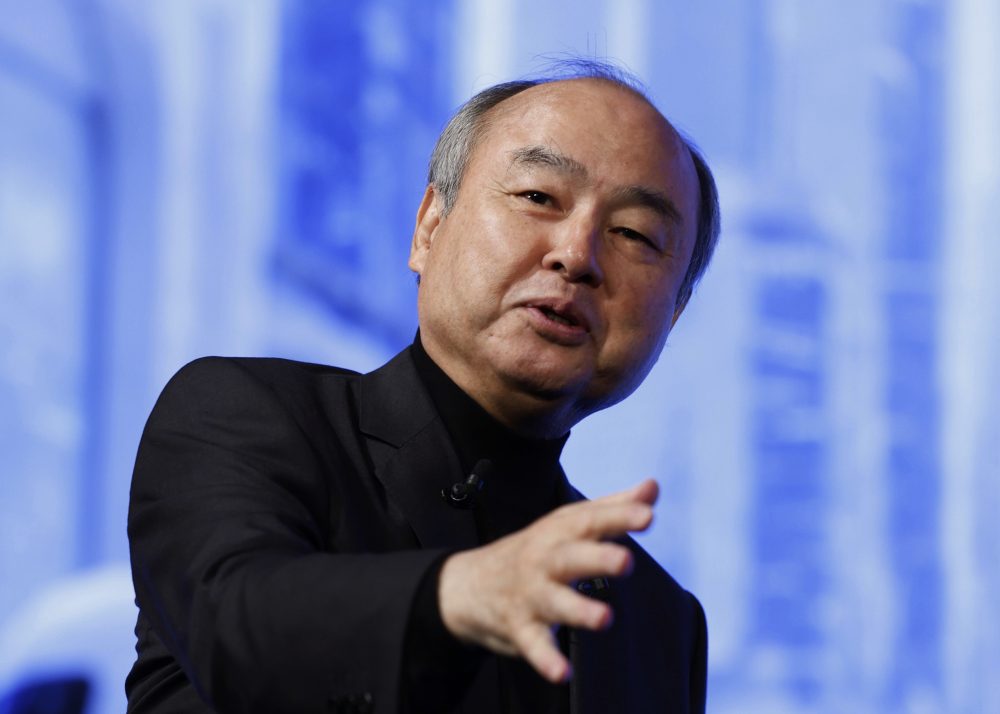
Bank of Japan Governor Kazuo Ueda indicated the central bank needs to weigh the advantages and disadvantages of increasing interest rates if inflation concerns become more significant than economic downturn risks, suggesting a strong possibility of a rate increase this month.
“He did as much groundwork as possible at this stage” despite stopping short of explicitly signalling a hike at the June meeting, wrote Naohiko Baba, head of Japan research and chief Japan economist at Barclays.
“The hawkish tone has strengthened further, including a clear expression of concern about behind-the-curve risk. We stick to our June rate hike call.”
Cryptocurrency markets saw significant declines, with Bitcoin dropping to a four-month low and falling 2.8% to $63,119.5, while ether reached a similar four-month bottom at $1,786.