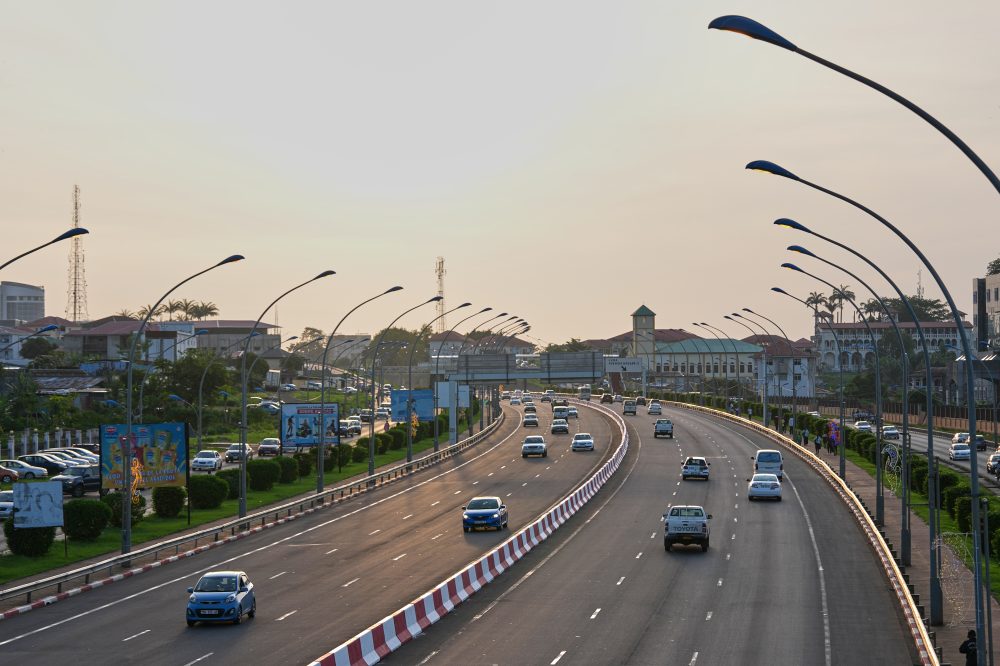

MALABO, Equatorial Guinea — A luxury hotel on a tropical island off Central Africa’s coast has been transformed into an unlikely prison for asylum seekers under a controversial deportation agreement with the United States.
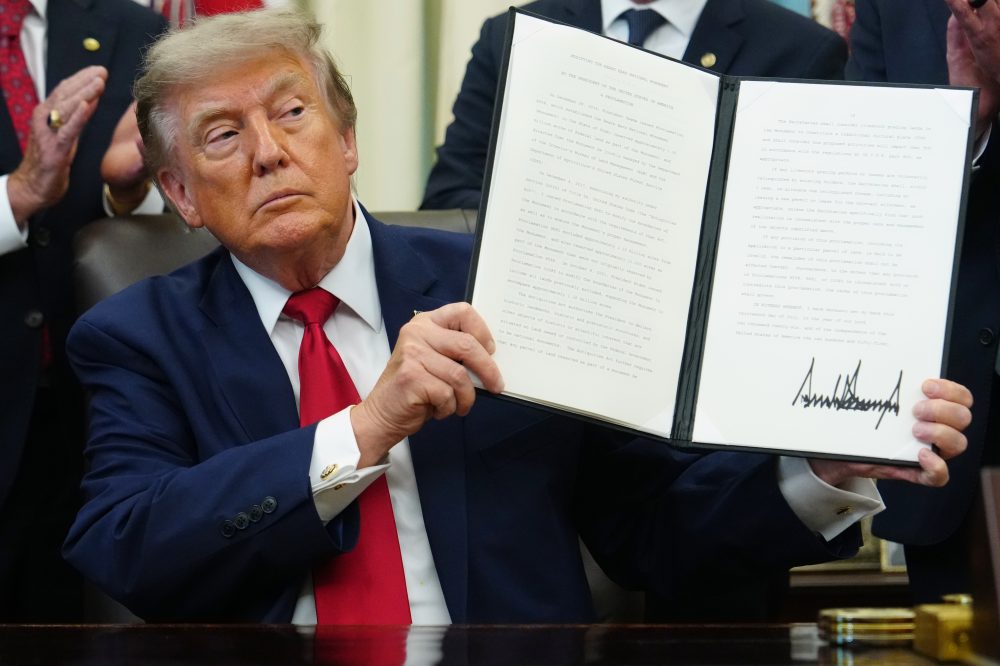
The Bamy Hotel, with its palm-lined entrance and marble lobby adorned with the country’s presidential portrait, now serves as a detention center rather than welcoming tourists or business visitors. Since November, the facility has housed people against their will as part of a $7.5 million arrangement between the Trump administration and Equatorial Guinea’s leader, Teodoro Obiang Nguema Mbasogo.
The hotel, owned by the president’s family, functions as a temporary holding facility. Of at least 32 individuals detained there since late last year — all previously granted protection by US courts, according to their attorneys — 25 have been compelled to return to African nations where they may face danger. Those remaining endure pressure from officials to depart.
“Government people would come all the time and say: Where is your passport? You need to go back to your own country,” explained a 26-year-old man from an East African nation who was held at the facility. He requested anonymity due to fear of repercussions, as did two other deportees who spoke with The Associated Press.
Immigration attorneys describe these third-country deportations as a legal workaround used by the Trump administration to indirectly compel asylum seekers to return to their origins.
The authoritarian nature of Equatorial Guinea’s government — similar to other nations with comparable agreements — makes it challenging for international journalists to visit and document conditions firsthand. The AP gained access to the island of Bioko during a recent papal visit and became the only global news organization to observe the migrant detention hotel.
Individuals from Angola, Eritrea, Ethiopia and Mauritania now find themselves stranded in a nation many had never known existed before their arrival. They spend their days walking the hotel’s lengthy hallways and staring through windows at a swimming pool they cannot access.
While no physical mistreatment has occurred, detainees experience severe psychological strain knowing they likely face return to countries they fled in fear.
“I am scared and depressed,” the East African man stated.
Due to his ethnic background and refugee status, he believes he would face imprisonment or death if forced to return home. Human rights specialists say all asylum seekers at the hotel confront significant persecution risks in their countries of origin.
Through a series of unclear and often confidential agreements, the Trump administration has sent thousands of people to nearly two dozen nations other than their homelands, according to advocacy groups, as part of extensive US immigration enforcement efforts. These partner countries are primarily in the developing world, says Third Country Deportation Watch, with approximately twelve located in Africa. Specialists believe nations accepting deportees may seek to build favorable relationships with the US regarding trade, migration or assistance negotiations.
The Trump administration refused to discuss specifics of its Equatorial Guinea arrangement. A State Department representative stated, “we remain unwavering in our commitment to end illegal and mass immigration.”
Equatorial Guinea’s government did not respond to requests for comment.
During the East African man’s interview, a government supervisor with limited English proficiency sat nearby, using his phone in an otherwise vacant conference room.
Following his journey from Africa through Brazil, the man reached the US border in August 2024 and was detained. He was then transferred between detention facilities in California, Arizona and Louisiana before arriving in Equatorial Guinea nearly six months ago.
Daily life at the hotel follows a monotonous routine made surreal by the circumstances, he explained.
Detainees occupy luxurious rooms that receive infrequent cleaning and eat rice and meat served at white-clothed tables in the hotel restaurant. After becoming ill from the food multiple times, the East African man now consumes minimal amounts.
A local attorney provides fresh toothbrushes, phone SIM cards, and feminine hygiene products for women.
Healthcare provision has been inconsistent. The East African man received immediate hospital treatment for an eye complaint. However, when he developed malaria and typhoid, medical attention was delayed until his condition severely worsened, requiring intravenous treatment. He reports other detainees have faced similar delays.
When the East African man recently voiced complaints to a police officer about his circumstances, the officer suggested his troubles would end if he went to the hotel’s fourth floor and jumped from the window.
“What can I do now? It’s become worse,” he said, his weakened frame trembling. “I started losing my mind.”
Equatorial Guinea ranks among Africa’s wealthiest nations due to petroleum reserves. However, it also faces widespread corruption and human rights violations, according to US officials.
The former Spanish territory experienced economic collapse after 1968 independence. Its fortunes changed in the 1990s when American companies began offshore oil drilling. The resulting economic transformation left over half the population in poverty despite national wealth.
Rights organizations report that oil revenues have been largely captured by Obiang and his relatives. The president’s 57-year-old son and successor, Teodoro “Teodorin” Obiang Nguema, displays his extravagant lifestyle on TikTok — showing infinity pools, lobster dinners, and private jet travel — while citizens cannot access the platform.
The younger Obiang, serving as vice president, has faced international sanctions due to corruption throughout his father’s government. However, the US removed sanctions, permitting him to attend a senior UN meeting in New York last September, shortly before deportations to Equatorial Guinea commenced.
Critical voices are virtually absent in Equatorial Guinea, where rights groups and the State Department accuse the government of detaining, torturing and killing dissidents.
Despite this record, American companies remain the largest foreign investors, and the US government provides military training funding.
Remaining detainees at the Bamy Hotel understand they could be sent home at any moment.
Officials from the UN’s International Organization for Migration and refugee agency visited the hotel in November, promising to return. They have not done so.
The East African man is the sole detainee permitted legal representation, though the reason remains unclear.
Although Equatorial Guinea lacks asylum procedures, his attorney submitted a formal appeal to the prime minister’s office — a desperate attempt with minimal success prospects.
He was instructed to appeal for clemency from the vice president, but his asylum request was denied.
The following morning, authorities deported five others, leaving him distressed while awaiting his outcome. Officials informed him he would be next to leave.