
DUBAI/WASHINGTON — The United States and Iran have struck a deal to bring their war to an end, with a formal signing ceremony set for Friday in Switzerland, Pakistani Prime Minister Shehbaz Sharif announced early Monday on social media.
Shortly after Sharif made his announcement, President Trump confirmed the news on his Truth Social platform. “The Deal with the Islamic Republic of Iran is now complete,” Trump wrote.
The agreement comes despite an Israeli military strike on Lebanon on Sunday that drew condemnation from both Iran and Trump himself.
The full terms of the deal had not been publicly released, but Sharif said the agreement calls for “the immediate and permanent termination of military operations on all fronts, including in Lebanon.”
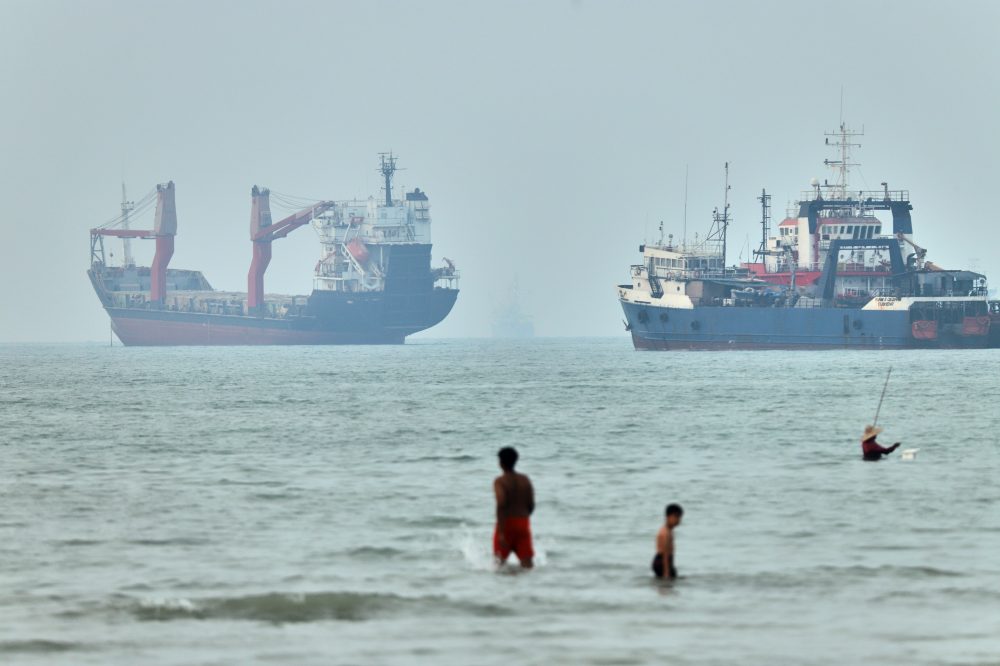
Multiple sources had previously told Reuters that the draft agreement would reopen the Strait of Hormuz, lift the U.S. blockade of Iranian ports, and extend a ceasefire — while setting aside Iran’s nuclear program for a separate round of talks over a 60-day window.
Trump confirmed those key elements in his social media post, saying the strait would be open “toll free” and that the U.S. naval blockade would also come to an end. “Ships of the World, start your engines. Let the oil flow!” Trump wrote.
The road to the agreement was bumpy on Sunday. Iranian negotiator Mohammad Baqer Qalibaf reacted sharply to Israel’s strike on the southern suburbs of Beirut — which Israel said targeted Iranian-backed Hezbollah militants — posting on X that the attack showed the United States lacks “the will and ability to fulfill your commitments.”
Iran’s foreign ministry held the United States responsible for the Israeli strike and warned of a “strong response.” The country’s top joint military command stated that the “finger (is) on the trigger” and was ready to fire at the “enemy’s heart.”
Trump also weighed in on the Beirut attack Sunday, writing on Truth Social: “This morning’s attack on Beirut should not have happened, particularly on a special day when we are so close to a Peace Deal with Iran.”
Israel has stated it is not a party to the planned U.S.-Iran agreement. Israeli Prime Minister Benjamin Netanyahu has clashed with Trump over American demands that Israel scale back its military operations in Lebanon as a condition for reaching the deal with Iran.
The fighting between Israel and Iran-aligned Hezbollah in Lebanon was reignited when the U.S.-Israeli war against Iran began in February.
A senior Iranian official had earlier told Reuters that under the draft deal’s terms, the United States would release $25 billion in frozen Iranian assets, while Iran would agree not to develop or acquire nuclear weapons. The official said Iran also agreed to preserve the existing nuclear status quo — meaning no uranium enrichment or expansion of nuclear facilities — until a final agreement is reached.