
WASHINGTON — For the second day in a row, both the United States and Iran have stood down from military action, as the Trump administration works to give diplomacy a chance to bring lasting calm to a conflict that has been building for nearly two weeks.
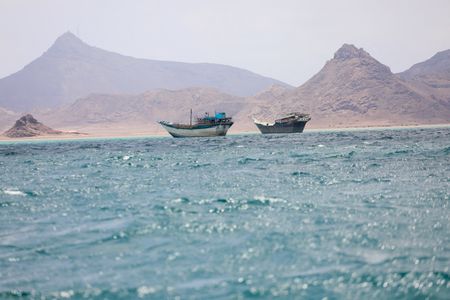
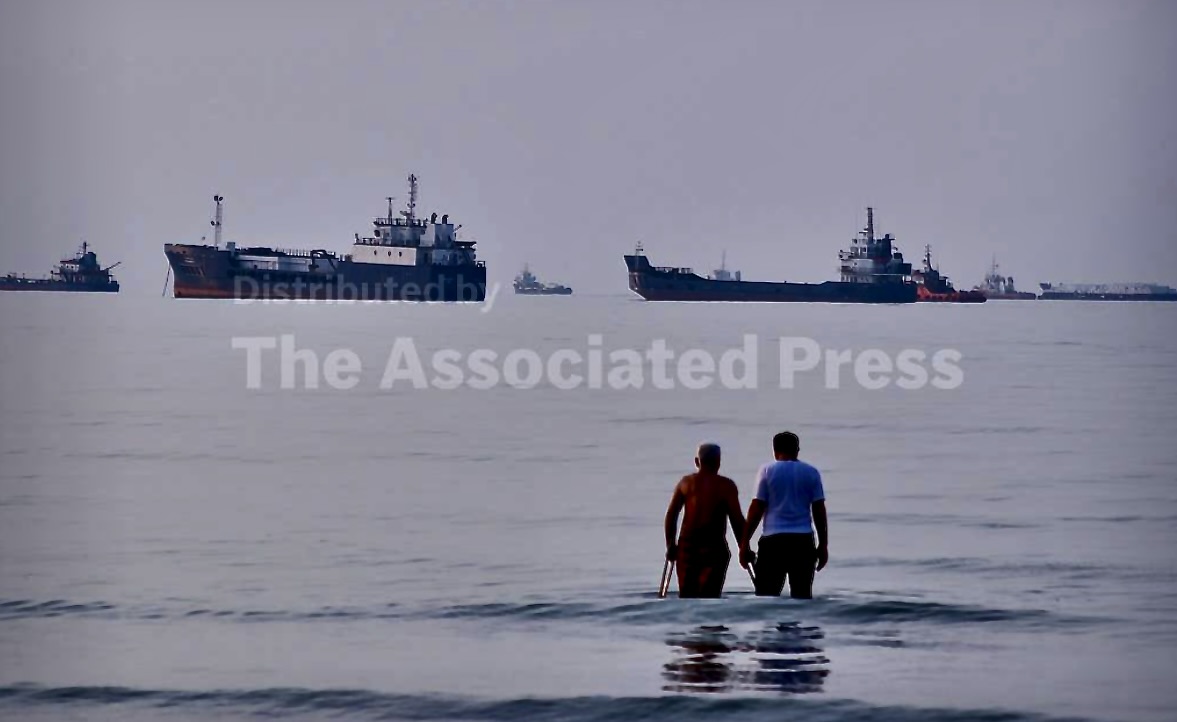
The fighting began after Iran attacked vessels trying to navigate the Strait of Hormuz, a critical waterway that carries a large share of the world’s daily energy supply. American forces responded by striking Iranian coastal installations built to protect shipping lanes and U.S. regional interests.
The Pentagon has offered no official explanation for the current halt in operations. However, U.S. Ambassador to the United Nations Mike Waltz told Fox News that the Trump administration is intentionally creating room for talks to move forward. He said President Trump is “giving talks some space” while negotiators from Oman, Iran, and other regional partners hold discussions at several levels.
Waltz also pushed back on analyst concerns that the U.S. is running low on the missile interceptors it relies on to defend against Iranian strikes, dismissing those claims.
Iranian officials confirmed that Tehran has also refrained from launching strikes over the past two nights. Earlier in the conflict, Iranian retaliatory attacks on countries where U.S. troops are based reportedly killed several American service members in Jordan and Iraq, highlighting the serious risks facing U.S. military personnel across the Middle East.
Regional mediators are calling the pause an encouraging development. Diplomats are said to be working to revive the terms of a 60-day interim agreement that was signed in June. Current negotiations are centered on easing tensions in the Strait of Hormuz, where shipping traffic has fallen to its lowest point in three weeks as fears of renewed attacks persist.
The standoff has stoked fresh anxiety over global energy supplies and the potential for higher gasoline prices. The threat has also spread beyond Hormuz, with Iranian-backed Houthi fighters in Yemen signaling possible action near the Bab el-Mandeb Strait, another key maritime passage.
The U.S. military says its naval blockade and maritime security operations remain active. American forces are continuing to monitor commercial shipping and keep pressure on Tehran even as diplomatic efforts proceed.
Israeli Prime Minister Benjamin Netanyahu is expected to travel to Washington this week for a meeting with President Trump. Netanyahu voiced full support for Trump’s push to weaken Iran and bring its nuclear ambitions to an end. “If he can do so without returning to intense military fighting, that’s fine,” Netanyahu said. He also warned that any future Iranian attack on Israel — whether carried out directly or through proxy groups — would bring serious consequences.
For now, the region is experiencing an uneasy quiet. Whether ongoing diplomacy can produce lasting security and prevent Iran from advancing its nuclear program remains the defining question of this crisis.