
United Airlines’ top executive has ruled out pursuing major airline consolidation deals after American Airlines rejected a merger proposal, though the company remains interested in acquiring airport assets from competitors facing financial pressure.
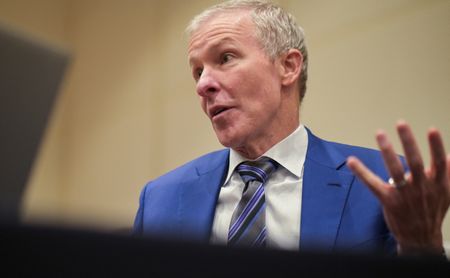
Chief Executive Scott Kirby revealed in April that American Airlines declined to engage when he approached them about a potential merger – a concept he had previously discussed with U.S. President Donald Trump in February. American CEO Robert Isom turned down the proposal, calling it anti-competitive and harmful to consumers.
Speaking at the International Air Transport Association’s annual gathering in Rio de Janeiro, Kirby stated: “I think consolidation is unlikely for United. That doesn’t mean we won’t still be in the market to buy assets, but consolidation is a low probability.”
The United executive defended his reasoning behind the proposed American Airlines deal, arguing it would have helped consumers. However, he emphasized that such a significant and unusual transaction required backing from American’s leadership team.
Kirby expressed confidence that labor unions, investors, and passengers would have endorsed the merger. American management’s public resistance rendered the deal unworkable, he explained. “You can’t have the management team on record publicly saying it was anti-competitive,” Kirby noted.
When questioned about whether United had abandoned the American Airlines idea permanently or might revisit it later, Kirby consistently emphasized that any agreement would need “a willing partner.”
He also refuted claims that United had explored giving the U.S. government a golden share as part of any merger discussions with the Trump administration.
Rising fuel costs are challenging airline profit margins and creating a larger gap between major carriers with established brands and smaller competitors with limited pricing flexibility.
Kirby indicated United anticipates that increased ticket prices will help the airline recover from fuel cost impacts later this year, demonstrating the carrier’s optimism about travel demand despite higher fares. He noted that demand remains robust, though United expects fare increases will eventually affect passenger behavior.
Multiple airline leaders have observed that fuel price pressures are distinguishing stronger carriers from weaker ones. Kirby characterized this division as separating airlines with customer loyalty from those primarily competing on price.
He dismissed criticism from Willie Walsh, head of the International Air Transport Association, who argued that major U.S. carriers are eliminating competition. Kirby maintained that United and Delta Air Lines are succeeding because they have invested in brands and services that passengers appreciate.
“Customers care about the technology, the service, the reliability, the product,” Kirby explained. “They want a great experience. They don’t just want a seat.” He said United’s competitive edge stems more from its operating profits than its financial position, enabling continued investment while similar-sized competitors barely break even.
Regarding whether JetBlue Airways might become appealing to United if it filed for Chapter 11 bankruptcy protection, Kirby said he considered that scenario improbable, pointing to JetBlue’s cash reserves and unencumbered assets.
He also rejected fuel hedging as a long-term solution to the industry’s vulnerability to fluctuating fuel prices, calling it “ineffective if you lose money over time.”
While acknowledging that Delta’s refinery ownership is benefiting that carrier in current market conditions, Kirby said United has no interest in purchasing a refinery to match its U.S. competitor.