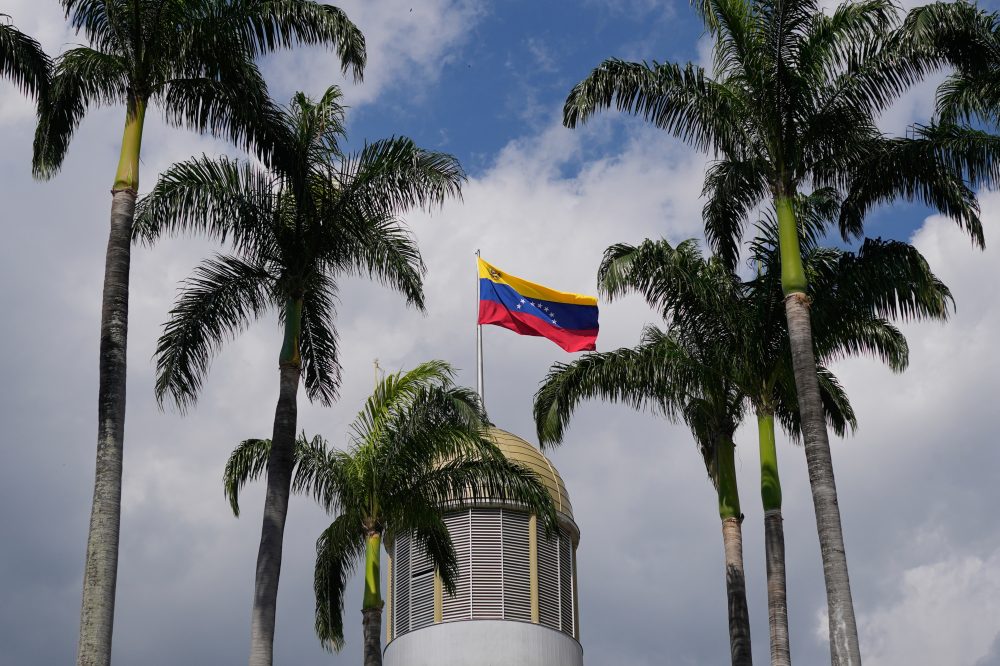

Venezuela’s Health Ministry confirmed Tuesday that three people have died from hantavirus infections in the country, while stressing that there is no sign the disease is spreading from person to person in the South American nation — which has rarely documented human cases of the rodent-carried illness.
Health officials also revealed that hantavirus is suspected in the deaths of two health workers in the southwestern state of Barinas. Those cases are still being investigated and are not connected to the three confirmed fatalities, which occurred in the eastern state of Anzoátegui — roughly 655 kilometers, or about 407 miles, away.
Neither state was among the hardest hit by the two major earthquakes that struck northern Venezuela earlier this month.
The ministry characterized the deaths in both Anzoátegui and Barinas as isolated events that “do not represent a risk to the general community.” Officials added that health personnel would be deployed to the affected states to “guarantee the health security of all Venezuelans,” though no further details were provided.
The Venezuelan Medical Federation, a national organization representing medical professionals, reported that the three confirmed deaths in Anzoátegui involved members of the same family living in the rural municipality of Miranda, located in the southern part of the state.
Hantaviruses are found around the globe and are primarily transmitted through contact with rodents like rats and mice. Human-to-human spread is uncommon. In serious cases, the virus can lead to a life-threatening lung infection or kidney failure.
Global attention to hantavirus has grown following a deadly outbreak aboard a cruise ship in the Atlantic Ocean. Three passengers died and several others were infected in May aboard the MV Hondius after contracting the Andes hantavirus — a lesser-studied strain that can, in rare circumstances, spread between people. The Andes strain has drawn widespread concern due to its mortality rate of up to 30% and the current absence of effective treatments or vaccines.
Weeks after the cruise ship incident, investigators in Argentina — where the affected vessel departed — are still working to identify the origin of the outbreak. An early theory suggested that the first infected person, a Dutch ornithologist, may have contracted the virus in Ushuaia, the southernmost city in the world. However, Argentine scientists who tested rodents in that area have since ruled out Ushuaia as the source, a relief to the city which depends heavily on international tourism tied to Antarctic cruises.
Argentina also cleared the wine-producing province of Mendoza as a possible source of infection earlier this month. Investigators working alongside biologists from the U.S. Centers for Disease Control and Prevention found no trace of hantavirus in rodents collected from locations visited by the Dutch man and his wife.