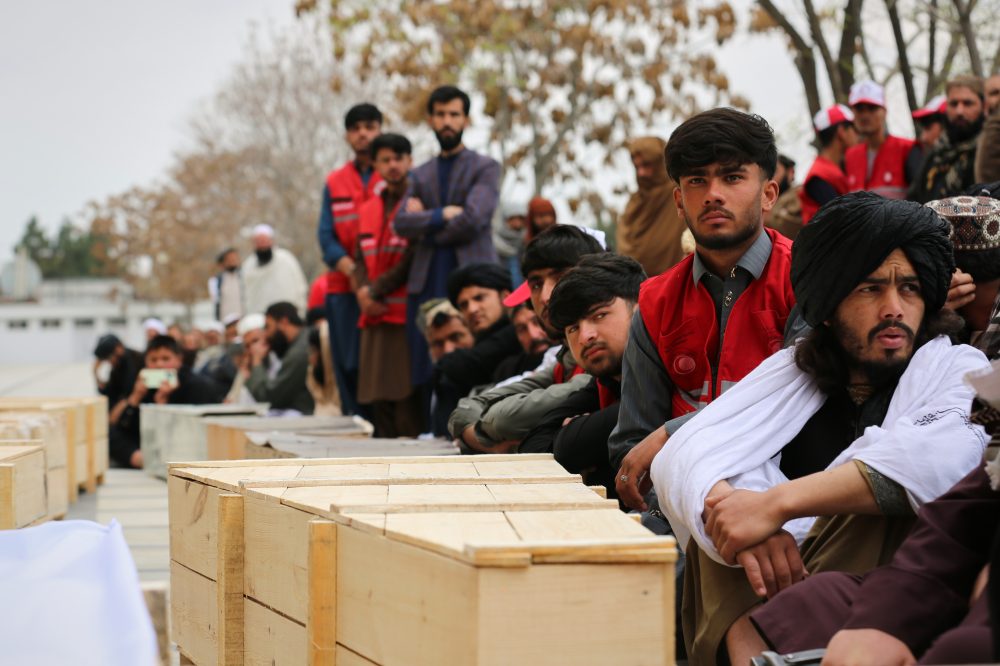

Cross-border conflict between Pakistan and Afghanistan has claimed the lives of nearly 500 Afghan civilians and left more than 1,000 others injured between October and the end of June, according to a United Nations report released Tuesday.
The United Nations Assistance Mission in Afghanistan documented 499 civilian deaths and 1,216 wounded as a result of fighting between the two neighboring countries — violence that has continued despite international efforts to bring peace to the region.
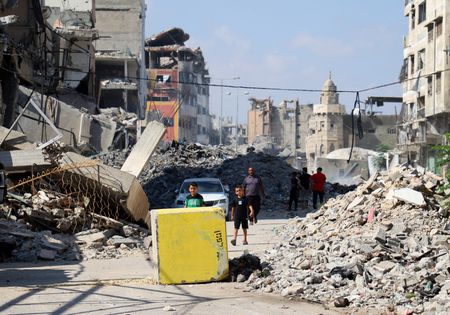
Among the most disturbing incidents described in the report: civilians who rushed to help survivors of an airstrike were struck by a second airstrike while conducting their rescue efforts.
The report goes beyond the battlefield, also examining other serious human rights concerns — including a violent crackdown on protests in western Afghanistan over women’s dress requirements, and new marriage regulations that effectively permit child marriage.
The two nations have engaged in intermittent fighting for months. Tensions reached a boiling point in February when Afghan forces launched a cross-border raid in response to Pakistani airstrikes on Afghan soil, prompting Pakistan to declare it was in what it called “open war.”
Pakistan contends that Afghanistan is sheltering militants responsible for thousands of deadly attacks on Pakistani soil over the years — particularly the Pakistani Taliban, known as Tehrik-e-Taliban Pakistan. That group has ties to the Afghan Taliban, which took control of Afghanistan in 2021 following the chaotic withdrawal of U.S.-led forces. Afghanistan’s government denies sheltering the militants.
The single deadliest episode of the conflict occurred in March, when a Pakistani airstrike struck a drug treatment facility in Kabul, Afghanistan’s capital, killing hundreds of civilians. Rights organization Amnesty International called last week for the attack to be investigated as a potential war crime.
Pakistan has not released a total count of civilian casualties on its own side of the border. The UN mission — known by the acronym UNAMA — noted that its mandate covers only incidents occurring within Afghanistan.
In a written reply to UNAMA’s findings, Pakistan’s Foreign Ministry stated that Afghanistan’s Taliban leadership “continues to maintain a permissive environment for a range of (militant) organizations.” The response made no mention of Afghan civilian deaths, instead asserting that Pakistan’s military operations “were directed exclusively at identified terrorist hideouts, sanctuaries, and support infrastructure linked to groups responsible for attacks inside Pakistan.”
Among the nearly 500 civilian casualties documented by UNAMA were 22 people — including five children — killed when two consecutive airstrikes hit a residential building in Afghanistan’s eastern Paktia province on June 28. At least 185 additional people were wounded in that attack, with the majority of casualties resulting from the second strike, which hit as local residents were attempting to pull survivors from the rubble of the first.
Fiona Frazer, director of human rights at UNAMA, emphasized the gravity of targeting rescuers: “International humanitarian law provides special protections for medical personnel and humanitarian workers, including first responders. Attacks against them while performing their duties are strictly prohibited.”
The UNAMA report also shone a spotlight on the severe restrictions placed on women by Afghanistan’s Taliban government. Women are currently banned from attending school beyond the primary level, required to follow a strict dress code, barred from working in nearly all fields, and must be accompanied by a male relative whenever they leave home.
In June, authorities in the western city of Herat arrested at least 30 women on accusations of violating dress code rules. When a rare public protest broke out against those arrests, authorities opened fire — killing at least one person and injuring several others.
Under the Taliban’s clothing regulations, women may only appear in public wearing full hijab — a headscarf and full-body robe — along with a face covering that exposes only the eyes. Enforcement of these rules falls to the feared Ministry for the Propagation of Virtue and the Prevention of Vice. However, the report noted that interpretation and enforcement of the rules can vary widely and be applied arbitrarily.
Officials from the Vice and Virtue ministry have reportedly visited health clinics and shops across the country, instructing them to turn away women who are not accompanied by a male relative, according to the UNAMA report.
Additionally, the report found that newly enacted marriage regulations “implicitly sanction child marriage” by permitting marriage contracts to be arranged on behalf of minors.