
BEIRUT (AP) — United Nations investigators released a harsh report Friday stating Syria has shown “no indication” of examining human rights violations committed by government forces during last summer’s sectarian violence that claimed at least 1,700 lives, predominantly from the Druze minority community.
The damning assessment from the U.N. Independent International Commission of Inquiry on the Syrian Arab Republic demanded Syria’s administration examine security force commanders who permitted or orchestrated sectarian violence targeting Druze populations.
According to the findings, approximately 200,000 individuals fled their homes during the bloodshed in Sweida, which serves as the center of Syria’s Druze population. The casualties included nearly 200 women and children.
The violence erupted in mid-July when armed factions loyal to Druze religious leader Sheikh Hikmat al-Hijri fought with area Bedouin tribes, prompting government military involvement that essentially supported the Bedouin side. Sectarian violence initially targeting the minority religious group, then later the Bedouin population, along with multiple kidnappings, worsened community relations.
Syrian President Ahmad al-Sharaa has promised to examine these incidents and prosecute those responsible across all parties, including government troops.
U.N. fact-finders conducted extensive fieldwork in Syria, speaking with over 400 survivors, officials, and suspected perpetrators. Their investigation covered impacted regions, including government-controlled territories and areas under the effective control of an Israeli-supported coalition of local Druze armed groups.
The assessment stated Damascus must determine whether “certain practices are tolerated” among elements within its security apparatus, referencing the brutality. It demanded identification and removal of leadership figures who enabled the violence.
Tribal combatants from distant regions of Syria moved into Sweida to assist government forces, while authorities seemed “unwilling or unable” to stop them, according to the findings.
The multi-day summer fighting in Sweida represented a major challenge for al-Sharaa, who has worked to establish complete governmental control throughout the conflict-ravaged nation and gain support from Syria’s minority populations.
While some prisoner exchanges have occurred, meaningful reconciliation remains elusive. Human rights organizations condemn Damascus for insufficient accountability mechanisms regarding civilian attacks.
The assessment detailed “widespread looting and systematic burning” during the government-backed offensive, plus civilian murders and kidnappings. Tribal forces attacked nearly every residence in 35 provincial villages that had mixed or majority-Druze populations.
“Particularly, the Druze population has been subjected to severe sectarian violence, leading to massive displacement that is expected to persist for an extended period,” the report said.
Investigators found some remains months following the ceasefire, discovered in streets and fields, with others burned or mutilated.
“Nearly all Druze religious sites in those villages … were looted, burned, and vandalized,” the report stated. It noted three worship centers were destroyed by fire, with another ransacked and damaged.
Counter-attacks against Bedouin non-combatants occurred mainly in Sweida province’s western rural areas. While most documented incidents happened during active fighting, many attacks “appeared to be deliberately directed at civilian areas.”
The findings describe Bedouin civilians, including minors and elderly residents, being shot dead while attempting to escape on foot, and one incident where two men’s remains were displayed at a village entrance for days. Four mosques were also attacked.
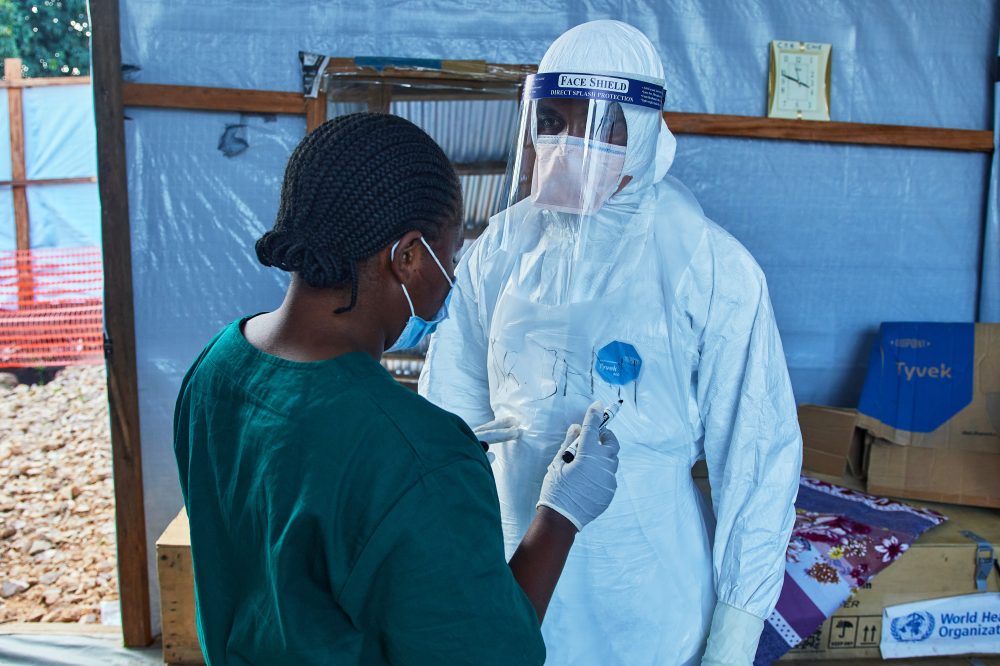
The violence’s magnitude overwhelmed medical facilities in both Sweida and adjacent Daraa province, as hundreds of victims arrived during the escalating conflict, exceeding morgue capacity. Many remains were severely burned while others left outdoors were “likely scavenged by wild animals before being found.”
“Hospital staff and first responders were forced to allow the burial of bodies before they could be identified; while safeguarding records and images of where the body was found and when, and of remaining clothing or jewelry, body marks or tattoos where available, to aid subsequent identification,” the report said.