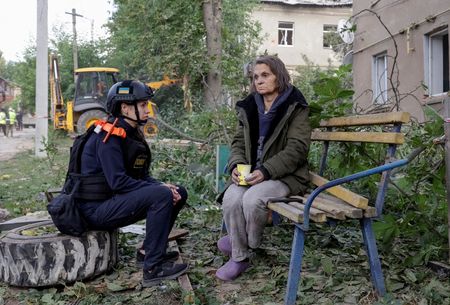

KYIV — Even as Ukraine has managed to largely stall Russian advances on the battlefield, the humanitarian suffering endured by millions of displaced Ukrainians remains severe and is being compounded by dramatic reductions in international aid, according to the leader of the International Rescue Committee.
In recent months, Ukraine has brought Russian progress on the front lines to nearly a standstill, a shift significant enough that G7 leaders acknowledged at a summit last week that the war’s momentum has changed. But that military development has done little to ease the crisis facing civilians.
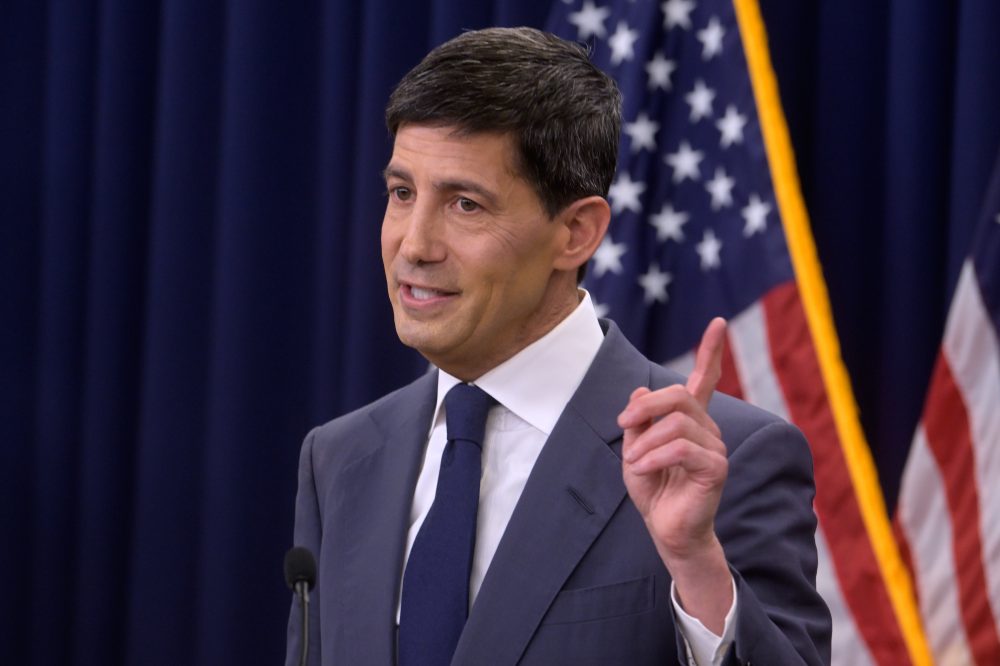
David Miliband, the IRC’s president and CEO, was visiting Ukraine when he spoke out about the consequences of aid cuts — reductions largely driven by the United States — that have slashed his organization’s budget in the country by half. The IRC’s funding in Ukraine now stands at an estimated $20 million for 2027, down from $40 million the previous year.
Miliband made his remarks on Saturday, which marked World Refugee Day. “It feels particularly important at a time when there is this new sense of a different geopolitical narrative to recognise the brutality and strain that’s being faced by millions of Ukrainians,” he said.
The United Nations estimates that approximately 118 million people around the world are currently displaced, frequently due to conflict, violence, or persecution. Ukraine alone accounts for roughly 10 million of those individuals, with close to four million displaced within the country’s own borders.
Miliband pointed to what he called a broader global crisis, describing the situation as part of “the new world disorder.” He cited the toll of more than 60 ongoing wars, along with disease and natural disasters. “There are more shocks and fewer shock absorbers,” he said. “And money is one of the absorbers.”
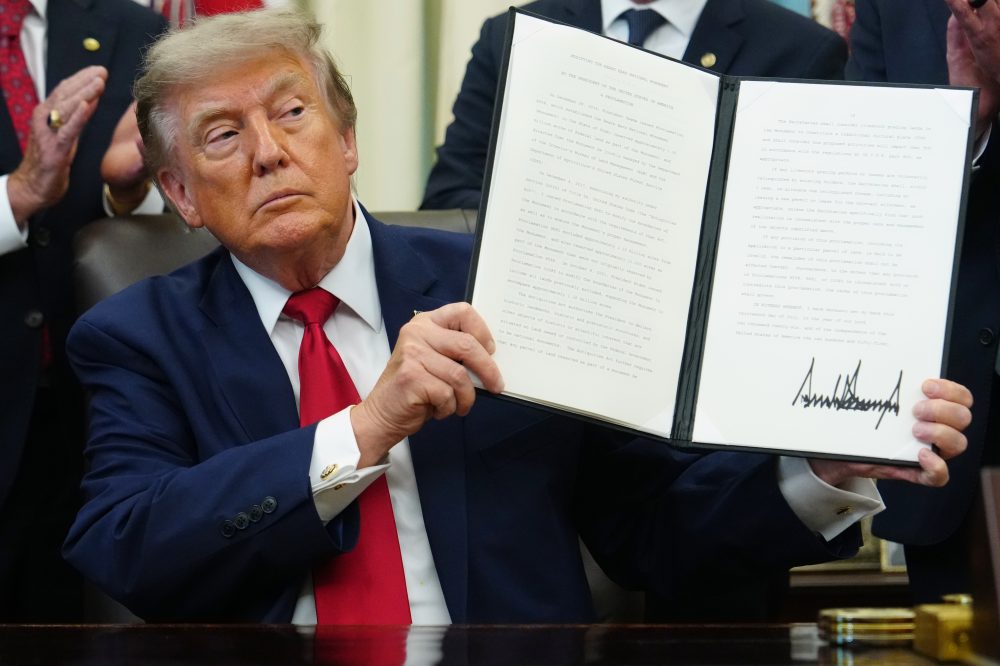
The Trump administration has significantly scaled back foreign aid and dismantled the U.S. Agency for International Development, a move that has prompted other countries to follow suit with their own aid reductions.
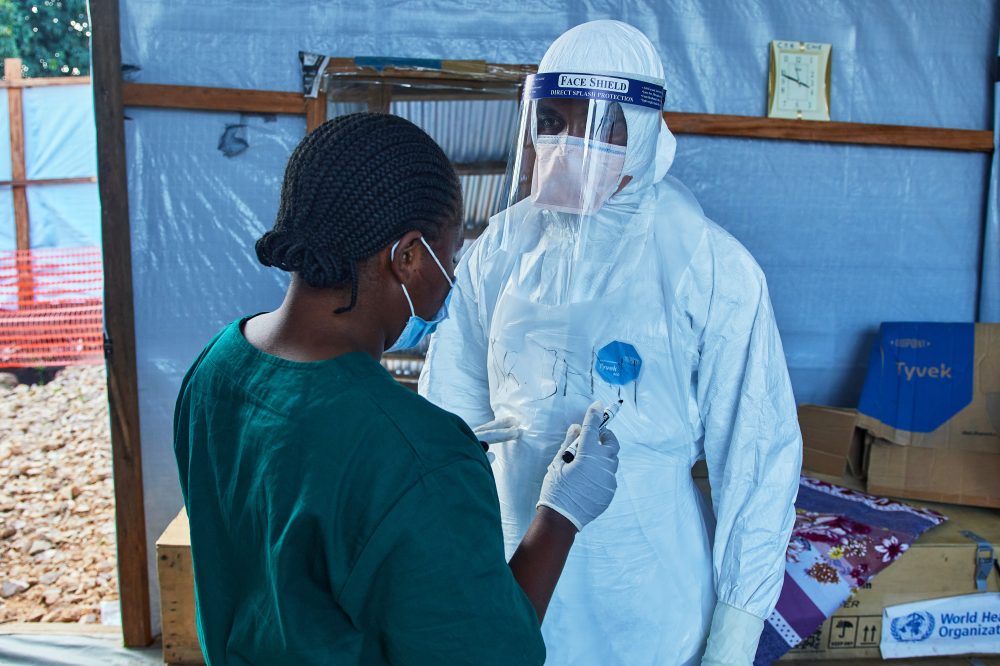
On the ground in Ukraine, the IRC is working to deliver mobile medical services to communities living near sections of the 1,200-kilometer, or roughly 745-mile, front line. The organization also provides trauma support to vulnerable women and children who have experienced abuse.
Miliband highlighted an often-overlooked dimension of the conflict: the toll more than four years of war has taken on the mental health of Ukraine’s population. He argued that redirecting even a fraction of the billions in military support provided by Ukraine’s allies toward humanitarian and psychological assistance could go a long way in preserving the resilience of Ukrainian society.