
The United States revealed Friday its growing interest in Guyana’s vast bauxite deposits and other natural resources for commercial ventures, as the Trump administration intensifies its focus on Latin American energy and mineral assets.
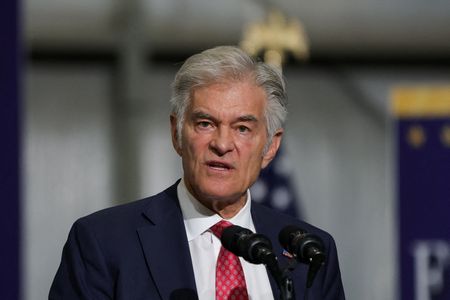
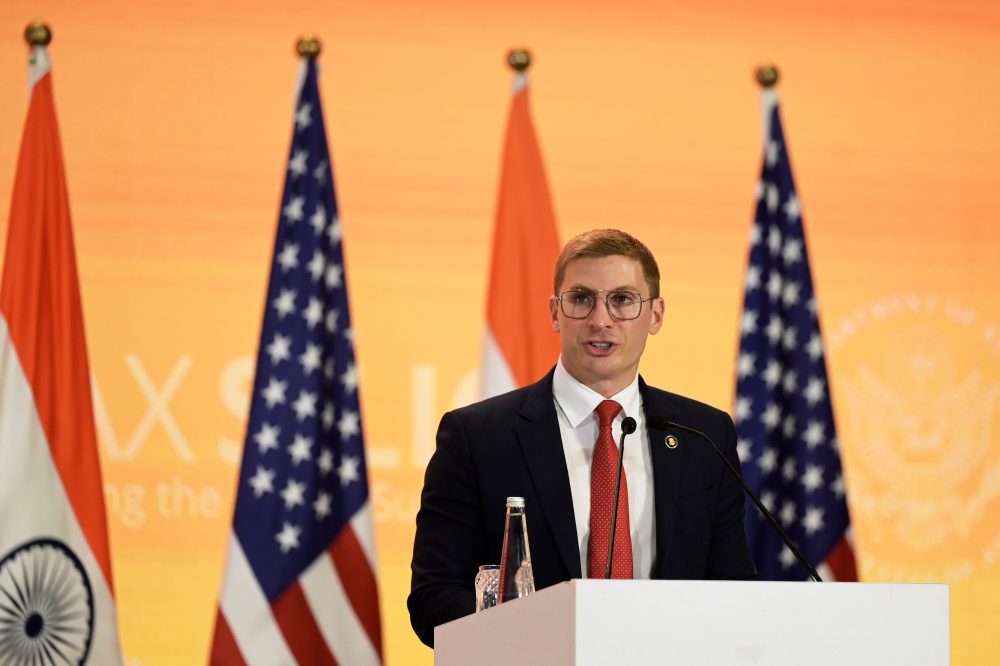
This week, U.S. Under Secretary for Economic Affairs Jacob Helberg conducted meetings with senior Guyanese leadership, including President Irfaan Ali, in the South American nation currently experiencing significant oil development.
Massive petroleum deposits found within the past ten years have elevated Guyana’s strategic significance, particularly during the worldwide energy shortage triggered by the Iran conflict. The nation’s bauxite deposits are essential for aluminum manufacturing.
The Trump administration has taken a more assertive approach toward Latin American resources, from encouraging expanded petroleum extraction in Venezuela after the U.S. military action in January, to seeking partnerships with Brazil regarding essential minerals.
In a region where energy output appeared to be dropping, Latin America is now witnessing a turnaround of this pattern, according to Benjamin Gedan, senior fellow and the director of the Stimson Center Latin America program.
“In times of global energy scarcity, there’s a great deal more focus on Latin America as an alternative stable source of supply,” said Gedan. “And Guyana is the leader of that story.”
The diplomatic visit occurs as U.S. officials express worry about the Chinese government and major corporations securing lucrative state agreements at the cost of American businesses.
Guyanese leaders have contended that American companies have shown less initiative compared to Chinese firms, which frequently provide funding and address workforce requirements for large-scale developments.
Helberg informed officials that bauxite deposits are already identified, making the U.S. interested in that industry. Presently, Chinese company Bosai Minerals holds the leading position in Guyana’s bauxite market.
“Generally speaking, we both understand that Guyana is a country with a lot of natural resources,” Helberg said of the bilateral talks.
He indicated that America could also help Guyana perform advanced geological studies to identify additional underground minerals for future extraction.
The U.S. aims to avoid repeating previous errors that allowed China to establish influence in the area, according to Jason Marczak, vice president and senior director for the Adrienne Arsht Latin America Center at the Atlantic Council.
Although Guyana likely seeks to broaden its commercial partnerships, including with China, the diplomatic mission demonstrates the nation continues as a reliable American ally in the region.
“President Ali in particular is very close to the United States and in general recognizes the importance of the U.S. as a key partner for Guyana,” Marczak said. “That’s reflected by Helberg’s visit to Guyana.”
Guyana’s Foreign Secretary Robert Persaud told The Associated Press on Friday that Guyana wants to draw U.S. investment to the mineral, oil and gas-abundant nation in upcoming months.
“The U.S. is our strategic partner and we made that clear to them but we would want value added to bauxite and other products. We are interested in processing and with improvements in energy generation,” he said.