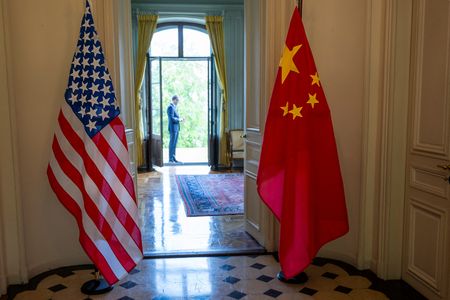

President Donald Trump is preparing for a significant diplomatic trip to Beijing in May, where he will meet with Chinese President Xi Jinping for the first time in eight years. The highly anticipated visit occurs against the backdrop of escalating economic tensions between the United States and China over the past year.
The economic dispute between these global superpowers has transformed from initial retaliatory tariff exchanges into a complex series of negotiations involving multiple high-level meetings, phone conversations, and presidential discussions throughout the previous year.
Recent Developments in 2025
In March, the United States initiated fresh Section 301 investigations targeting unfair trade practices within Chinese industries. Beijing responded by launching similar reciprocal probes. Originally planned for earlier in the spring, Trump postponed his China visit to mid-May due to ongoing conflicts in Iran.
During the same month, Treasury Secretary Scott Bessent and Trade Representative Jamieson Greer conducted negotiations with Chinese Vice Premier He Lifeng and senior trade official Li Chenggang in Paris. Both delegations characterized these sixth-round discussions as “constructive.”
February saw the U.S. Supreme Court striking down Trump’s comprehensive global tariff program, though the President indicated his intention to continue utilizing tariffs as a policy tool.
In January, China concluded 2025 with an unprecedented trade surplus, benefiting from strategic trade diversification toward Southeast Asian, African, and Latin American markets as shipments to America continued declining.
Major 2025 Trade Events
October marked a significant escalation when China expanded its control over essential minerals, broadening restrictions on rare earth element exports while increasing oversight of semiconductor consumers. The U.S. responded by imposing additional 100% duties on Chinese products and implementing new export limitations on crucial software. Both nations also targeted maritime shipping operations.
Later that month, Trump and Xi held talks in Busan, South Korea, reaching a new trade agreement. The deal involved American tariff reductions in exchange for Chinese commitments to combat illegal fentanyl trafficking, restart soybean imports from the U.S., and temporarily halt rare earth export restrictions.
September featured discussions regarding TikTok ownership changes, while Washington sought expanded trade opportunities in chemicals, aircraft components, and engine parts with Beijing.
From June through August, Trump declared progress in trade relations after certain Chinese rare earth magnet manufacturers obtained export permits. The U.S. began approving licenses for Nvidia to ship advanced artificial intelligence processors to China, while Trump called for China to increase American soybean purchases fourfold. The tariff suspension received a 90-day extension.
May’s inaugural trade negotiations in Geneva produced a 90-day ceasefire that reduced elevated tariffs. However, three weeks later, Trump accused China of breaking promises regarding mutual tariff rollbacks and mineral export restriction relief. Chinese officials countered that America had implemented numerous “discriminatory restrictive” policies targeting China.
April began with Trump’s return to office, implementing a 10% penalty tariff on Chinese merchandise. Early that month, he announced comprehensive “Liberation Day” tariffs affecting all imports, further straining Chinese relations. China retaliated, leading to escalating tariff battles exceeding 100% on both sides. Beijing simultaneously began limiting certain rare earth exports.