
Typhoon Noul swept through southern China and Hong Kong over the weekend, bringing dangerous winds and torrential rain that prompted authorities to place the region on high alert and forced the cancellation of more than 150 flights.
Hong Kong’s Observatory reported that Noul had strengthened, with maximum sustained winds of 140 kph (87 mph) near its center. On Saturday, the storm was tracking steadily across the northeastern portion of the South China Sea, drawing closer to the coastline of eastern Guangdong.
Forecasters with Hong Kong’s observatory predicted the typhoon could come ashore Sunday morning near the southern Chinese cities of Huizhou and Shanwei, bringing fierce winds and heavy showers to the surrounding region. China’s national weather center offered a slightly earlier estimate, projecting landfall sometime between late Saturday night and early Sunday morning.
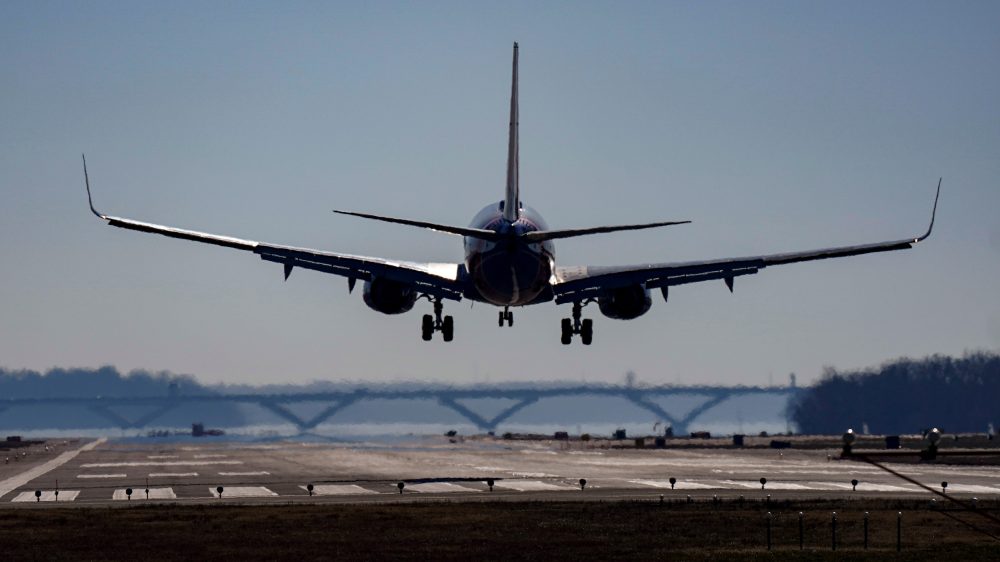
Hong Kong’s airport website listed more than 150 flights as canceled for both Saturday and Sunday combined as the storm bore down on the region.
As the typhoon closed in, a portion of large scaffolding on a high-rise building in Hong Kong gave way Saturday afternoon, local police confirmed. Officers said early reports indicated no one was hurt in the collapse.
China’s National Meteorological Center warned that portions of southeastern Guangdong and the southern coastline of Fujian province should expect heavy rainfall throughout the weekend.
By late Friday, more than 20,000 residents had been evacuated from Guangdong province, according to local media reports. The China News Service also reported that train services throughout the province were suspended for Sunday.
In Taiwan, the Central Weather Administration said Noul was producing rainfall across parts of the island’s southern and eastern regions. The storm had been moving through waters south of Taiwan and was tracking away from the island by Saturday.
This is not the first major storm to hit the region recently. Earlier this month, Typhoon Bavi struck eastern China with strong winds and rain, resulting in the evacuation of more than 2 million people. That storm made landfall on July 11. Before that, Typhoon Maysak hit southern China on July 3.