
American and Iranian officials sat down for technical negotiations in Doha, Qatar on Wednesday, working toward a durable ceasefire and an agreement on how ships will move through the Strait of Hormuz, according to a source with direct knowledge of the discussions and an Iranian official.
U.S. President Donald Trump’s son-in-law Jared Kushner and envoy Steve Witkoff traveled to meet with Qatar’s prime minister — who is serving as a mediator alongside Pakistan — to help set the stage for the negotiations. However, neither Kushner nor Witkoff participated directly in the talks themselves, the source said.
The negotiations are rooted in a 14-point interim agreement that was signed last month. That accord was intended to bring a halt to the conflict that erupted following U.S.-Israeli strikes on Iran in February, reopen the Strait of Hormuz, and launch a 60-day window for negotiating a permanent peace arrangement.
Despite that framework, the two nations have publicly disagreed over what the interim deal actually means, and that tension has fueled a series of back-and-forth military strikes over the past week.
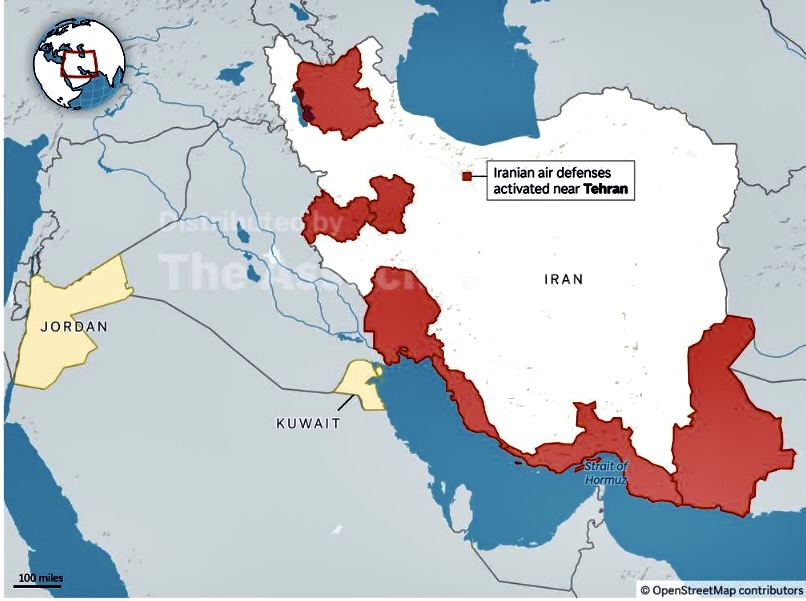
Two senior Iranian sources said Wednesday that Iran is firmly committed to gaining international recognition of its authority over the strait, including the right to collect fees from vessels entering or leaving the Gulf — by force if necessary.
Shipping through the strait has partially resumed. Before the war broke out, the waterway handled roughly one-fifth of the world’s oil and liquefied natural gas trade.
The Doha talks are organized into sessions involving lead negotiators and subject-matter specialists, the source familiar with the proceedings said. Discussions began Tuesday night and were still ongoing Wednesday, according to the Iranian official.
Iran has publicly identified two top priorities: reaching an agreement on management of the Strait of Hormuz and securing the release of $6 billion in frozen Iranian assets. The Iranian official confirmed those two issues are the focus of the current round of talks. The U.S., for its part, has stated its primary goal is ensuring ships can move freely through the strait.
Iran’s state media reported Wednesday that a foreign container ship ran aground in the Strait of Hormuz after drifting into shallow waters outside the shipping lane designated by Iranian authorities.
Vandana Hari, founder of oil market analysis firm Vanda Insights, described the situation in the strait as incomplete: “Hormuz continues to reopen but it’s patchy, unpredictable, and not fully transparent.”
The war has had wide-ranging consequences, including Iranian attacks on Gulf states that host U.S. military installations, thousands of deaths — primarily in Iran and Lebanon — and a significant rise in oil and fuel costs.
President Trump is also facing political pressure to limit the economic damage from the conflict ahead of November’s midterm elections, which will decide which party controls Congress. In Iran, the country’s theocratic government survived the war but is dealing with public anger over a badly damaged economy.
Oil prices, which already dropped sharply during the second quarter of the year, fell by more than 1% on Wednesday.
The interim agreement also addresses a separate but related conflict between Israel and the Iran-backed militant group Hezbollah in Lebanon. The U.S. has supported a parallel set of negotiations between Israel and Lebanon’s government, which produced a security framework. However, Hezbollah has rejected that framework, and analysts caution it could cement Israel’s ongoing presence in southern Lebanon.
Diplomatic activity surrounding Lebanon was described as intense in the period leading up to Tuesday evening, according to the source with knowledge of the broader talks.