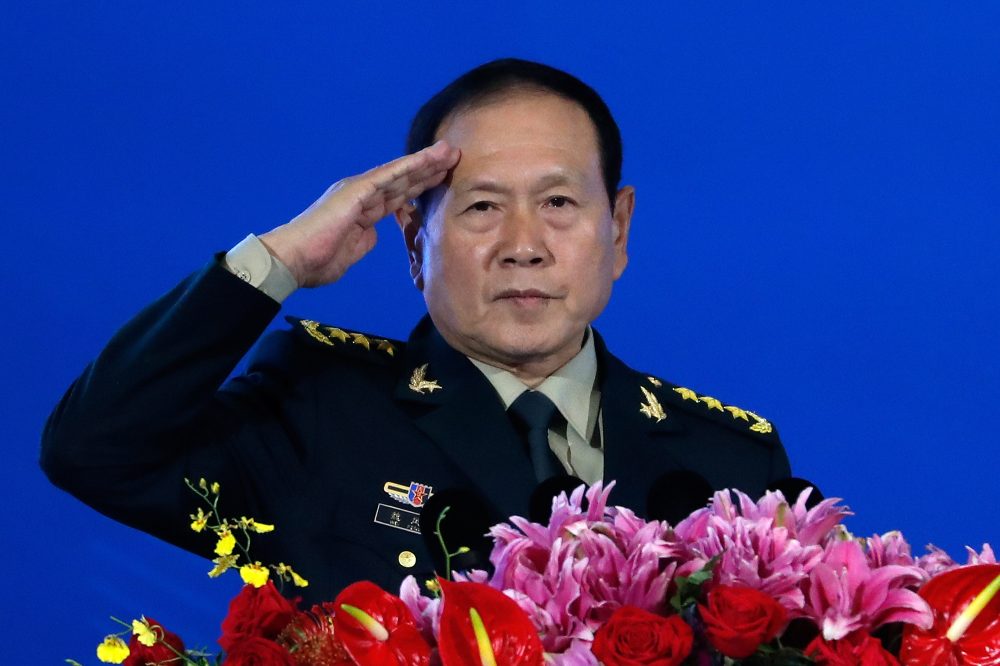

BEIJING — Two former Chinese defense ministers received death sentences with two-year suspensions on Thursday from a military tribunal for corruption charges, China’s official Xinhua News Agency reported.
The military court found Wei Fenghe guilty of taking bribes and imposed a death sentence with a two-year delay. Li Shangfu received an identical punishment after being convicted of both accepting and giving bribes.
In China’s legal system, death sentences with suspensions are typically converted to life imprisonment.
These punishments represent the most recent developments in President Xi Jinping’s ongoing effort to remove high-ranking officials from power. Xi launched his anti-corruption campaign over ten years ago and has maintained its intensity, reaching a peak in January with the dismissal of China’s top military commander and other military leaders. The influential Central Military Commission, which previously included 11 members, now consists of only Xi and one other member.
Although the campaign focuses on eliminating corruption, Xi has also employed these anti-corruption measures as a tool to strengthen political allegiance and authority among elite officials.
It remains unknown if either official had policy disputes or political conflicts with Xi.
Wei held the defense minister position from 2018 through 2023. Li took over the role but served only briefly before vanishing from public appearances. His removal from office occurred in October 2023.
Throughout his career, Li worked primarily as an expert in missile technology and military procurement within China’s People’s Liberation Army, and had been subject to U.S. travel restrictions and financial penalties due to acquiring Russian military equipment.
The Communist Party removed both officials from membership in 2024, confirming their downfall.
Dong Jun, who replaced Li as defense minister, remains in his position. Military analysts observe that he was not given a seat on the historically influential Central Military Commission, which controls the armed forces and typically includes the defense minister.