
A prominent Salvadoran investigative news organization says government authorities have frozen financial assets and property belonging to two of its staff members, marking what the outlet describes as an escalation in political retaliation for their critical reporting on President Nayib Bukele’s administration.
El Faro’s Director Carlos Dada revealed during a Thursday press conference that bank accounts and real estate had been seized, calling the action part of a coordinated effort to silence the publication’s work.
“It’s another level of attack against us with a clear purpose,” Dada stated. “These are not fiscal measures. They are political measures trying to silence us.”
The news organization has engaged in ongoing conflicts with Bukele regarding their investigative work into governmental corruption, particularly their reporting that revealed secret negotiations between his administration and criminal gangs. The asset seizures occurred shortly after El Faro collaborated with PBS Frontline on a documentary examining these gang negotiations.
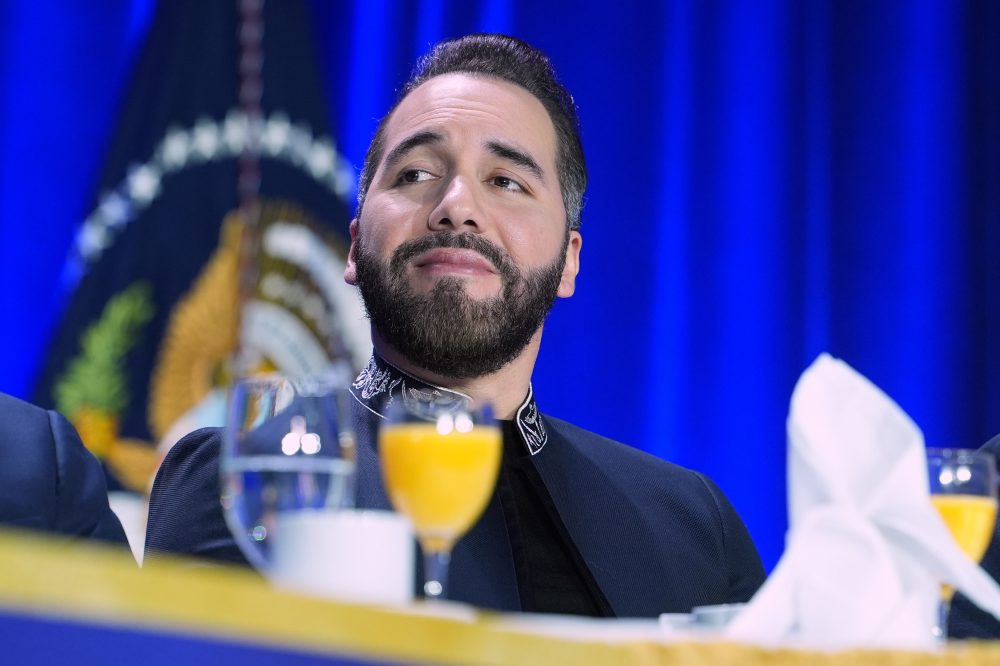
Since taking office in 2019 as the region’s youngest head of state on promises to combat corruption, Bukele has drawn mounting criticism from human rights organizations for suppressing opposition and authorizing abuses during a four-year emergency decree that has resulted in over 91,000 imprisonments.
While Bukele’s administration did not provide immediate comment on the asset freezing, the president has previously dismissed El Faro’s investigative work as “fake news.”
According to Dada, the publication discovered the asset seizures through banking institutions and property records rather than receiving official government notification.
Salvadoran tax authorities have conducted continuous audits of the outlet since 2020, claiming the organization owes $200,000 in unpaid taxes—allegations that Dada has rejected.
El Faro’s reporting staff has faced cyberattacks using surveillance software, with Pegasus spyware discovered on more than 20 journalists’ mobile devices in 2022. The publication subsequently filed a federal lawsuit against NSO Group in U.S. courts.
Due to the increasingly hostile environment in El Salvador, El Faro relocated its main operations to Costa Rica in 2023, with all staff members now living outside their home country.
Bukele’s suppression of dissent expanded in 2025 with the detention of well-known human rights advocate Ruth López, who remains imprisoned a year later without trial and with restricted access to family and legal representation. Following her arrest in July 2025, Cristosal, the nation’s premier human rights organization where López was employed, announced its departure from El Salvador citing escalating intimidation and legal pressure.
Similar tactics of conducting government audits and seizing assets to intimidate opposition voices have been employed elsewhere in the region, particularly in Nicaragua under Daniel Ortega’s leadership.
Claudia Paz y Paz, who heads the Costa Rica-based Center for Justice and International Law and represents El Faro before the Inter-American Commission of Human Rights, described the asset seizures during Thursday’s press conference as “retaliation” aimed at the publication’s journalism and an attempt to “silence the voices of journalists.”