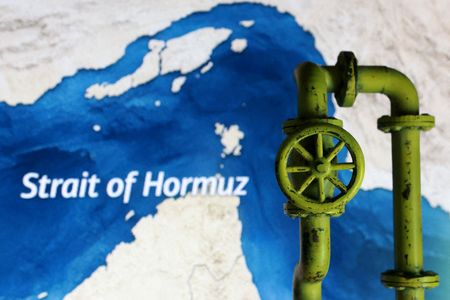

President Donald Trump has expressed skepticism about a two-week Middle East ceasefire’s success amid Iran’s ongoing control of the Strait of Hormuz, as Kuwait pointed fingers at Iran and allied groups for Thursday drone attacks that violated the truce.
Iran’s Revolutionary Guard paramilitary forces rejected Kuwait’s accusations of conducting strikes against Gulf nations following Kuwait’s public statement.
In a development that could strengthen regional peace efforts, Israeli Prime Minister Benjamin Netanyahu announced his approval for direct negotiations with Lebanon. As of Friday morning, Lebanese officials had not issued a response.
Netanyahu’s statement followed Israel’s Wednesday bombardment of Beirut that resulted in over 300 deaths. Sources indicate the discussions are planned for next week in Washington.
Major uncertainties persist regarding Iran’s enriched uranium stockpile that sits at the center of regional tensions, the timeline for restoring regular shipping through the Strait of Hormuz, and Iran’s future capacity for missile launches and proxy group support.
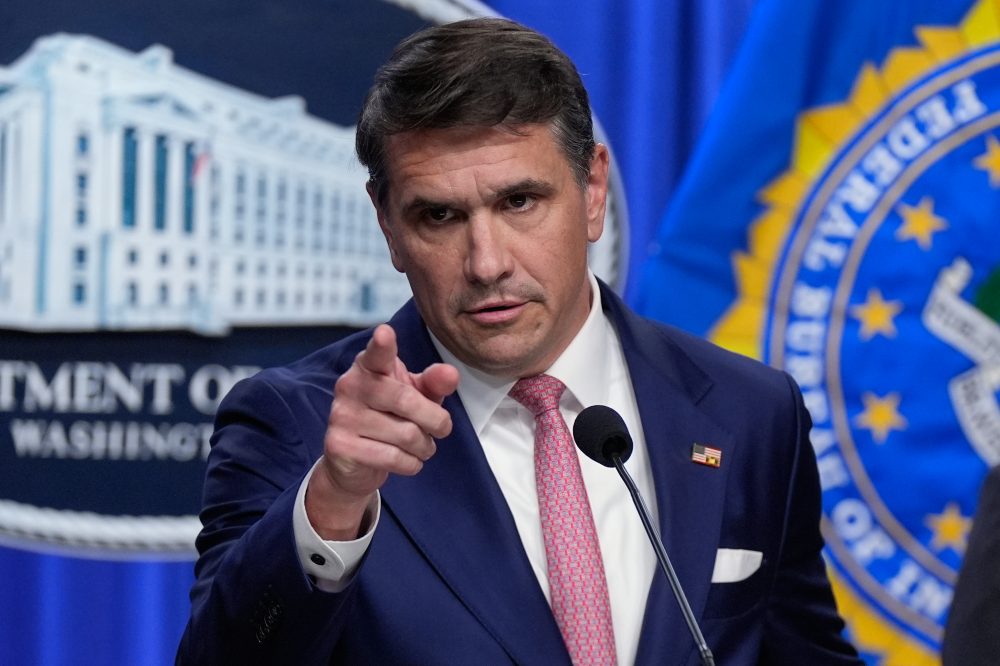
Diplomatic discussions between Washington and Tehran aimed at resolving the crisis are set to commence Saturday in Islamabad, with the White House confirming Vice President JD Vance will head the American team.
Throughout Thursday night and into Friday morning, residents in Tehran and surrounding Iranian regions reported hearing sounds consistent with air defense systems and explosions.
Iranian officials, however, made no public statements acknowledging any attacks during this timeframe.
Similar incidents have occurred following previous military exchanges with Israel, as forces remained in heightened alert status.
Japan announced plans to release an additional 20 days’ worth of oil reserves in May, marking the second round of releases to address Middle East supply concerns.
Japanese Prime Minister Sanae Takaichi stated the government reserve release would begin in early May, following last month’s initial release.
Japan began tapping approximately 50 days’ worth of oil reserves in March from government, private sector, and Gulf nation holdings.
According to the Natural Resources and Energy Agency, Japan maintained 230 days’ worth of oil reserves as of April 6, with 143 days stored in government facilities.
Takaichi noted her administration’s efforts to establish oil import routes bypassing the Strait of Hormuz while working to expand supplier diversity.
Pakistani officials announced Friday they would provide arrival visas for individuals traveling to Islamabad for the Iran-U.S. negotiations, acknowledging significant international media attention surrounding the talks.