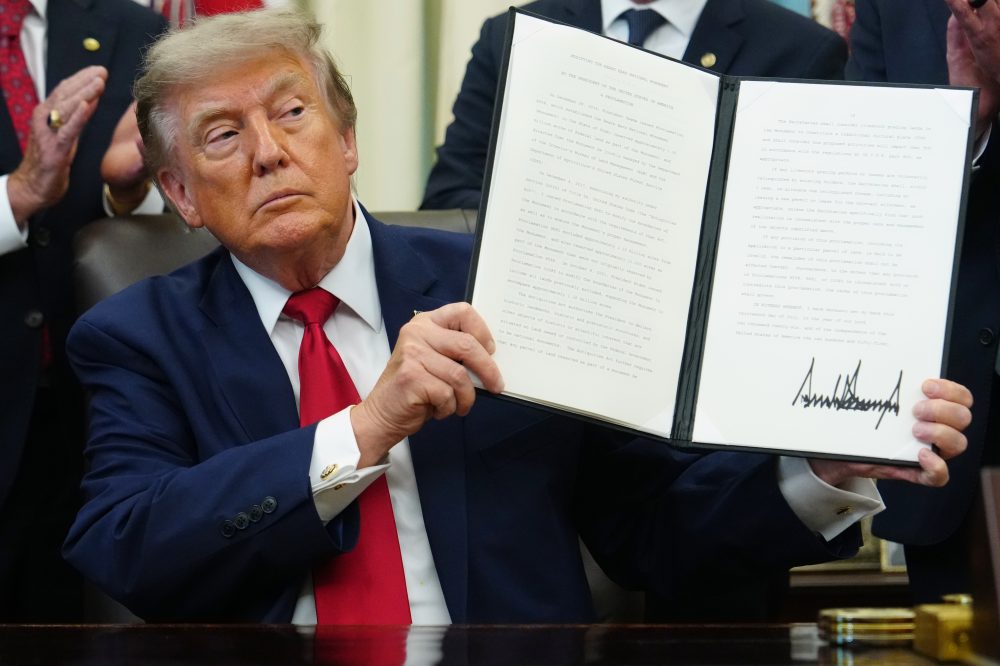

President Trump met with oil industry leaders Tuesday to address how America might handle market disruptions if a naval blockade against Iranian ports extends for several months, according to White House sources.
The discussions come as diplomatic efforts remain stalled and the U.S. continues pressuring Iran’s oil exports through naval operations aimed at forcing Tehran to reopen the Strait of Hormuz for international shipping.
Taking to Truth Social Wednesday before news of the meeting broke, Trump criticized Iran’s leadership, saying the country “couldn’t get its act together.”
The president’s conversations with energy sector executives covered strategies for stabilizing oil markets during a potentially lengthy blockade, a White House spokesperson confirmed. Topics included domestic oil production levels, futures markets, shipping logistics, and natural gas supplies.
Market reactions were swift, with oil prices jumping nearly 4% Wednesday and Brent crude reaching its highest point in a month following initial Wall Street Journal reporting about possible blockade extensions.
Iran continues threatening to disrupt strait traffic as long as U.S. pressure persists, raising concerns about further Middle Eastern energy supply interruptions from the ongoing conflict that has claimed thousands of lives and created worldwide economic instability.
Iranian officials issued warnings Wednesday about “unprecedented military action” in response to continued American interference with Iran-connected vessels. Trump has repeatedly emphasized that Iran must not obtain nuclear weapons, while Tehran maintains it seeks only civilian nuclear capabilities.
“They don’t know how to sign a nonnuclear deal. They’d better get smart soon!” Trump wrote in his social media post, though he provided no specifics about what such an agreement might include.
His post included a digitally altered image showing him wearing sunglasses and holding a machine gun, captioned “No more Mr. Nice Guy.”
Iran’s economic situation continues deteriorating as its currency plummeted to historic lows of 1,810,000 rials per U.S. dollar Wednesday, according to Iranian Students’ News Agency reports. Demand for foreign currency accumulated during six weeks of fighting is now flooding open markets.
The rial lost nearly 15% of its value over just two days, ISNA noted. Iran’s central bank reported inflation reached 65.8% for the month spanning March 20 to April 20, a trend expected to worsen as currency values collapse.
Iran’s most recent proposal for ending the conflict, which has been suspended since April 8 under ceasefire terms, would postpone nuclear program discussions until the war formally concludes and shipping problems are resolved. This approach conflicts with Trump’s insistence on addressing nuclear concerns immediately.
U.S. intelligence services are analyzing potential Iranian responses if Trump declares unilateral victory, according to two government officials and one source familiar with the situation.
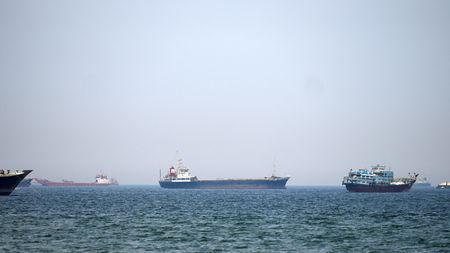
Since fighting began February 28, Tehran has essentially shut down all non-Iranian shipping through the Strait of Hormuz, a critical passage for global energy transport. American blockade operations against Iranian vessels started this month.
Iran’s power structure has shifted significantly since several top political and military leaders, including Supreme Leader Ayatollah Ali Khamenei, died in U.S.-Israeli attacks. The wounded son of Khamenei, Mojtaba, has assumed leadership roles, giving increased influence to hardline Islamic Revolutionary Guard Corps commanders, according to Iranian sources and regional experts.
Domestically, Trump faces mounting pressure to conclude a war he has justified with varying explanations to Americans dealing with rising fuel costs. His approval ratings dropped to 34% in recent Reuters/Ipsos polling, down from 36% previously and marking the lowest point of his current presidency.
International governments, especially in Asia, are implementing fuel conservation measures and spending billions on subsidies. The European Union relaxed state assistance regulations, allowing member nations to help agriculture, fishing, and transportation sectors manage increased fuel and fertilizer expenses through 2026, though usage restrictions remain absent.