
As midterm elections draw near, Republican strategists are grappling with declining enthusiasm among a key voting bloc that helped secure Trump’s 2024 victory: young male voters.
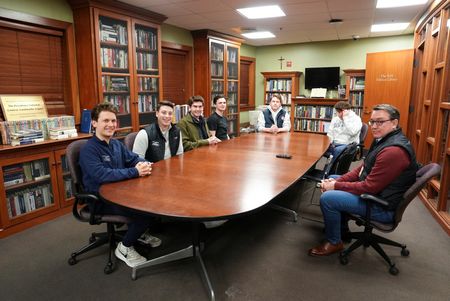
At Saint Anselm College in New Hampshire, a group of six male students who cast ballots for Trump shared their mixed assessments of his presidency so far. Their reactions ranged from cautious support to clear frustration, highlighting concerns that extend beyond this small campus gathering.
National survey data reveals a troubling trend for Republicans. Trump’s approval rating among men between 18 and 29 years old fell to 33% last month, a significant drop from the 43% recorded in February 2025, based on Reuters/Ipsos polling.
The decline stems largely from economic disappointments and concerns about immigration enforcement methods, according to youth vote analysts who spoke with Reuters. Many young men report seeing no meaningful improvement in their financial situations since Trump took office in January 2025.
Tyler Witzgall, a 20-year-old sophomore at Saint Anselm, voiced concerns shared by many of his generation about their economic future.
“I’m still going to graduate and be in an enormous amount of debt. I won’t be able to buy a home for a while,” Witzgall stated, giving Trump a C or C-plus grade due to his dissatisfaction with the president’s handling of domestic economic matters.
Even students who remain supportive of Trump have expressed criticism of his administration’s approach. Ian Pomfret, another 20-year-old sophomore who gives Trump a B-plus overall rating, condemned what he views as excessive force in immigration operations.
“The ICE thing is a huge problem,” Pomfret commented, referencing the deaths of two U.S. citizens during federal raids in Minneapolis. “I feel like there is a better way of going about it than raiding and killing and instant deportation.”
Despite their criticisms, none of the students expressed regret about their 2024 votes, viewing Democratic nominee Kamala Harris as representing a continuation of policies they opposed regarding immigration and economic management.
The shifting sentiment among young voters poses challenges for Republican congressional candidates heading into November’s midterm elections, where the party holds narrow majorities in both chambers.
Political strategist John Della Volpe, who specializes in Generation Z voting patterns, warned that Republicans cannot rely on this demographic’s continued support.
“All evidence in the last 15 or 16 months is that this cohort cannot be counted on at this stage to be reliable Republican voters,” Della Volpe explained. “Mostly because they haven’t felt tangible improvements in their day-to-day lives.”
However, some Republican operatives remain optimistic. A party strategist working on House campaigns noted that CBS News polling in February showed 43% of young voters consider Republican positions “mainstream,” suggesting the party could still succeed by capturing at least 40% of youth votes.
Historical data shows young voter participation typically drops during midterm cycles, with only 25% casting ballots in 2022 compared to 50% overall turnout. Nevertheless, youth engagement can prove decisive in competitive races, as demonstrated in 2018 when increased turnout following mass shootings helped Democrats flip numerous congressional seats.
Recognizing the importance of reaching younger audiences, the Republican National Committee launched its TikTok presence last month, targeting a platform used by 60% of Americans under 30, according to Pew Research data.
White House spokesman Davis Ingle defended Trump’s record, stating no president has accomplished more for young men than Trump, “who is working tirelessly to create jobs, cool inflation, increase housing affordability, and more.”
John Brabender, a media consultant who helped Trump’s campaign appeal to young men in 2024, acknowledged the party needs better messaging strategies for midterm candidates running without Trump on the ballot.
“I will be the first to say that collectively we’ve done a poor job of … communicating directly to the hearts and minds of people at a much younger age,” Brabender admitted.
The competition for young voter attention is evident in New Hampshire’s Senate race, where Democrats must defend one of four competitive seats this November.
Democratic frontrunner Chris Pappas launched his TikTok account in October, frequently addressing housing costs that concern younger voters.
“If you ask someone in their 20s about owning a home, that seems like a far-off notion,” Pappas said during an interview. “We’ve got to make that dream within reach of more people.”
Republican candidate Scott Brown, a former senator seeking his party’s nomination, emphasizes his personal interests in connecting with younger constituents.
“It’s not a stretch for me to walk in and start playing hoops with somebody or get up on stage and jam with some teenagers,” Brown said, noting that his campaign employs two young staffers he describes as “social media whizzes” to enhance his online presence.
Back at Saint Anselm College, students expressed desire for more civil political discourse while maintaining their likely Republican voting intentions for November.
Tyler Delaney, a 19-year-old freshman, predicted Trump’s confrontational style could create problems if Democrats regain House control as many expect.
“It gets to a point where you need to have some bipartisanship, and I think that’s gonna hit Trump hard after the midterms.”