
President Donald Trump expressed cautious optimism about diplomatic efforts with Iran during his Friday flight back to Washington, though he warned that current ceasefire arrangements could collapse by Wednesday without a lasting agreement.
Speaking to reporters aboard Air Force One while returning from Phoenix, Trump indicated positive developments were occurring but refused to provide specifics about the encouraging news.
“It seems to be going very well in the Middle East with Iran,” Trump stated. “We’re negotiating over the weekend. I expect things to go well. Many of these things have been negotiated and agreed to.”
However, the president struck a more serious tone when discussing the Wednesday deadline, emphasizing that he might terminate the current ceasefire with Iran if negotiators fail to reach a comprehensive peace agreement before the deadline expires. Trump also confirmed that American naval blockades of Iranian ports would remain in effect.
The conflict, which erupted on February 28 with coordinated U.S.-Israeli military action, has resulted in thousands of casualties and caused global oil prices to spike due to the effective shutdown of the Strait of Hormuz, a waterway that previously handled approximately one-fifth of worldwide petroleum shipments.
Earlier Friday, Iran announced the temporary reopening of the strategically vital strait following a separate ceasefire arrangement between Israel and Lebanon. This development came after Israel’s invasion of Lebanon in response to Hezbollah’s entry into the conflict on Iran’s side.
Despite announcements about the waterway’s reopening, conflicting statements from various officials have created confusion about when normal shipping operations might resume through this crucial global oil transit point.
Trump mentioned to Reuters that additional direct diplomatic meetings between Iranian and American representatives would likely occur over the weekend. However, diplomatic sources expressed skepticism about the feasibility of organizing such high-level talks in Islamabad, the expected venue for negotiations.
No visible preparations for weekend discussions were apparent Saturday morning in Pakistan’s capital, where the most significant U.S.-Iran diplomatic engagement since the 1979 Islamic Revolution concluded without agreement the previous weekend.
Pakistan’s chief military officer, Field Marshal Asim Munir, who has been serving as a key intermediary, has been conducting discussions in Tehran since Wednesday.
According to a Pakistani source familiar with the mediation process, potential meetings between Iran and the United States could yield an initial framework agreement, potentially followed by a complete peace settlement within 60 days.
The situation remains complicated by statements from Iranian officials. Parliamentary Speaker Mohammad Baqer Qalibaf, who also serves as a senior negotiator, warned on social media that the Strait of Hormuz “will not remain open” if American blockade operations continue.
Meanwhile, Foreign Minister Abbas Araqchi announced through social media that the strait would accommodate all commercial shipping for the duration of the 10-day truce established Thursday between Israel and Lebanon.
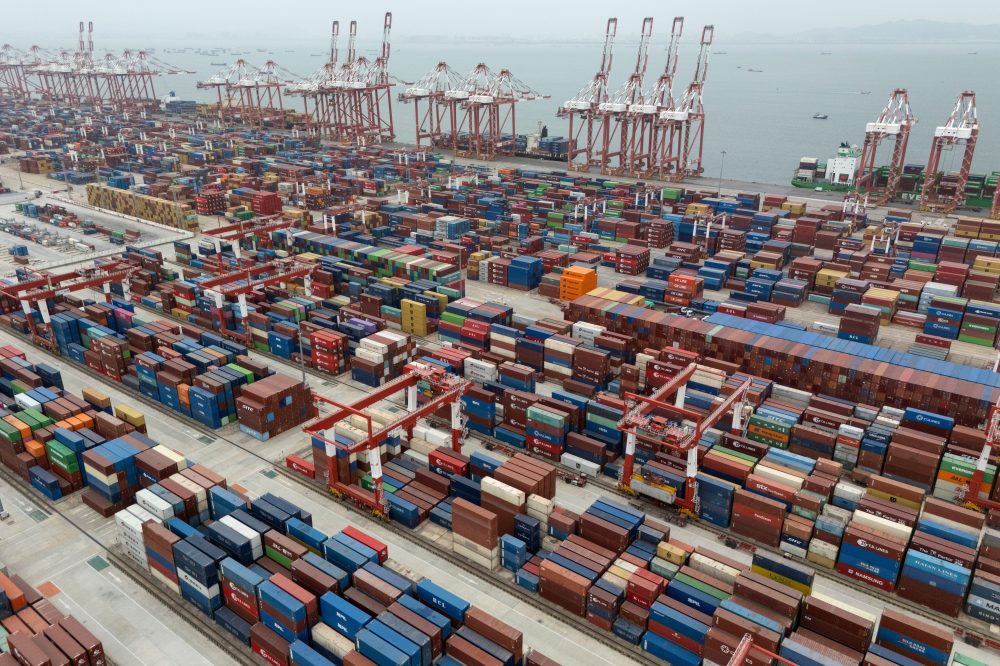
Maritime tracking data revealed that approximately 20 vessels, including container ships, bulk carriers, and oil tankers, began moving toward the Strait of Hormuz Friday evening. However, most of these ships ultimately reversed course for unclear reasons. The flotilla included three container vessels operated by French shipping company CMA CGM, which declined to provide comment.
One exception was the cruise ship Celestyal Discovery, previously stranded in Dubai, which successfully crossed the strait Saturday morning and was heading toward Oman, according to Marine Traffic monitoring systems.
Iran has implemented new requirements mandating that all vessels coordinate with the Islamic Revolutionary Guard Corps before transit, a procedure that wasn’t necessary before the conflict began. The Defense Ministry issued a statement through state television clarifying that military ships and vessels connected to “hostile forces” – specifically the United States and Israel – remain prohibited from passage.
Shipping companies have indicated they need additional clarification, particularly regarding potential mine hazards, before resuming normal operations through the Gulf entrance.
The U.S. Navy has issued warnings to maritime operators that the extent of mine threats in portions of the waterway remains unclear, recommending that vessels consider avoiding the area entirely.
Significant questions persist regarding how Iran and the United States will address Tehran’s nuclear program, which has emerged as a major obstacle in peace discussions. Iran maintains its right to what it characterizes as a civilian nuclear energy initiative.
Trump told Reuters that America would remove Iran’s stockpiles of enriched uranium, while Foreign Ministry spokesperson Esmaeil Baghaei informed state television that the material would not be transferred elsewhere.
A senior Iranian official separately expressed hope that a preliminary agreement could be achieved in the coming days.
Global markets responded positively to prospects of resumed maritime traffic, with oil prices dropping approximately 10% and international stock markets surging Friday.
Following a Friday video conference, more than a dozen nations indicated willingness to participate in an international maritime protection mission in the strait when circumstances allow, according to British officials.
A high-ranking Iranian official told Reuters that negotiators had agreed to unfreeze billions of dollars in Iranian assets as part of any accord, though no timeline was specified. Later Friday, Trump, who frequently describes peace negotiations as a “deal” or “transaction,” told an Arizona rally that “no money will exchange hands in any way, shape or form.”
During last weekend’s negotiations, American representatives proposed a 20-year suspension of all Iranian nuclear activities, while Iran suggested a three-to-five-year halt, according to individuals familiar with the proposals.
Two Iranian sources indicated signs of a potential compromise that could involve removing portions of the uranium stockpile.
Trump suggested to Reuters that the United States might proceed deliberately rather than hastily. “We’re going to go in with Iran, at a nice leisurely pace, and go down and start excavating with big machinery,” he explained during a phone interview. “We’ll bring it back to the United States.”
Despite Trump’s positive outlook, Iranian sources told Reuters that “gaps remained to be resolved” before reaching a preliminary agreement, while senior religious leaders adopted a defiant stance during Friday prayers.
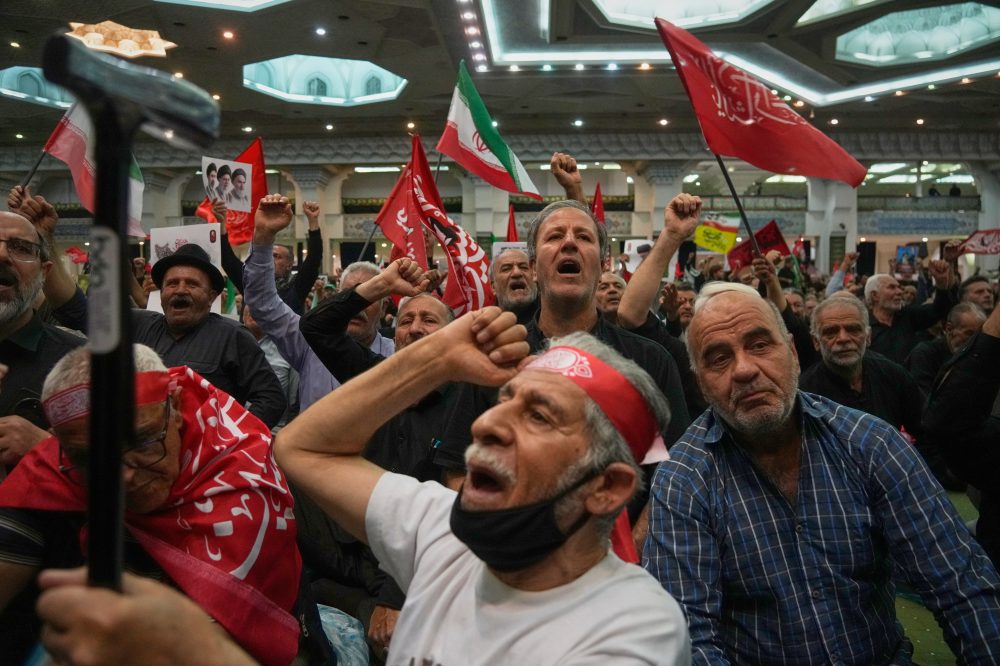
“Our people do not negotiate while being humiliated,” declared cleric Ahmad Khatami.