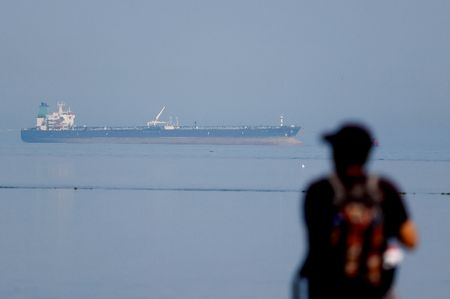

The federal government on Saturday chose not to extend a sanctions exemption that had permitted nations including India to purchase Russian oil transported by sea vessels, following a one-month extension designed to address oil supply concerns and elevated prices caused by Iran’s blockade of the Strait of Hormuz.
Treasury Secretary Scott Bessent had indicated earlier that he would not extend the general license permitting the acquisition of Russian oil held on tanker ships.
By Saturday afternoon in Washington, no extension announcement had appeared on the Treasury Department’s website. A department representative refused to provide additional comments.
On Friday, two leading Democratic senators, Jeanne Shaheen and Elizabeth Warren, called on the administration to reject renewing the exemption, contending that it was generating funds for Russia to support its military operations in Ukraine, while showing no signs of reducing fuel expenses for American citizens.
The previous extension was among the administration’s strategies to manage worldwide energy costs that have risen significantly during the Iran conflict, including releases from the Strategic Petroleum Reserve and a temporary suspension of a maritime regulation called the Jones Act. Furthermore, President Donald Trump has expressed support for temporarily halting the 18.4-cent-per-gallon federal gasoline tax.
These actions have had minimal impact on American gasoline costs, which currently stand at approximately $4.50 per gallon, representing the highest levels since 2022. Both national and global oil prices have remained near or above $100 per barrel since hostilities commenced on February 28.
On Friday, while returning from Beijing, Trump informed reporters that he had spoken with Chinese President Xi Jinping about potentially removing sanctions on Chinese firms that purchase Iranian oil and would reach a decision shortly.
India represents the largest buyer of Russian seaborne crude oil, with its acquisitions reaching near-record levels during April and May due to earlier sanctions exemptions.