
Asian financial markets moved higher on Wednesday following a surprising slowdown in U.S. inflation that led investors to scale back their expectations for future interest rate increases. Oil prices also leveled off after the United States abandoned a proposal to charge a fee on ships passing through the Strait of Hormuz.
Strong earnings reports from major Wall Street banks added to the positive mood. However, a sharp 25% drop in IBM’s share price — after the technology company’s revenue outlook fell short of what analysts had predicted — highlighted just how fragile the recent rally in artificial intelligence-related stocks has become.
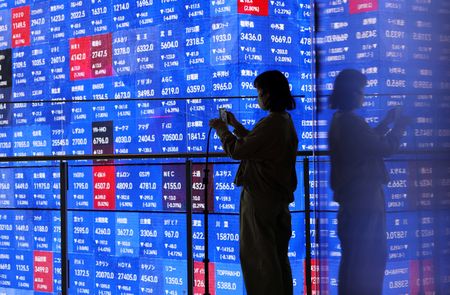
South Korea’s KOSPI, which is heavily weighted with chipmakers, surged 6% in early trading. Japan’s Nikkei gained 0.4%, and MSCI’s broad index tracking Asia-Pacific shares outside Japan climbed 1.7%.
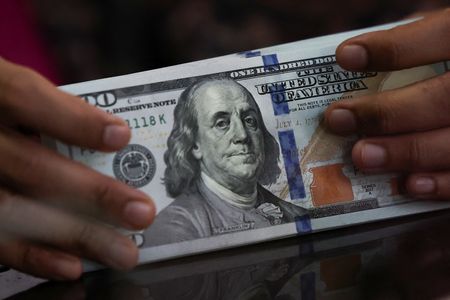
The U.S. dollar fell against most currencies, though it remained relatively strong against the Japanese yen. Short-term bond prices rose, pushing two-year Treasury yields down 11 basis points to 4.19%, retreating from Tuesday’s 17-month high of nearly 4.3%.
The U.S. headline consumer price index fell 0.4% in June — its first decline since the COVID-19 pandemic. Core inflation on an annualized basis came in at 2.6%, below the 2.8% that economists had anticipated.
Analysts at J.P. Morgan described the data in glowing terms in a note sent to clients: “For market bulls this is even better than Goldilocks could have imagined.”
The analysts added: “Inflation (is) lower with positive earnings growth. This print should remove any fears over a July rate hike and may assuage fears on September, too. This sets up the market to move higher and to broaden as it does so.”
Following the inflation report, market expectations for a U.S. interest rate increase in July dropped by half, falling to just 16%.
The euro held steady above $1.14, while the Australian dollar clung to a 0.8% gain and was testing the $0.70 level.
Brent crude oil futures hovered around $85.50 per barrel, having already gained more than 12% this week amid renewed fighting in the Middle East.
U.S. President Donald Trump reinstated a naval blockade of Iranian ports on Tuesday and threatened strikes against power plants and bridges the following week unless Iran returned to negotiations to resolve the ongoing conflict. He did, however, drop the earlier proposal for a 20% fee on vessels transiting the Strait of Hormuz.
On Wall Street overnight, the Nasdaq rose 0.9% and the S&P 500 gained 0.4%. U.S. futures were pointing slightly higher heading into Wednesday’s session.
Investors in Asia were also watching for Chinese economic data, including gross domestic product figures, industrial production numbers, and retail sales results. Attention was also focused on upcoming earnings from ASML, Europe’s most valuable company and the world’s largest supplier of equipment used to manufacture AI chips.
In the United States, BNY, Johnson & Johnson, and BlackRock were scheduled to release earnings before markets opened Wednesday morning, with United Airlines set to report after the closing bell.