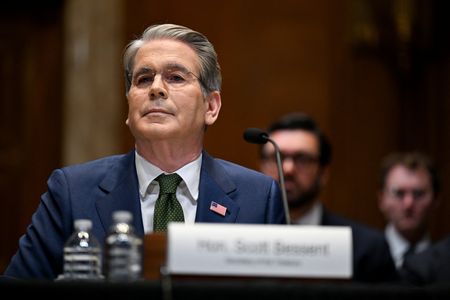

WASHINGTON – Multiple allied nations across the Gulf region and Asia have formally approached the United States requesting currency swap agreements to help manage economic disruptions stemming from the Middle East conflict, Treasury Secretary Scott Bessent disclosed Wednesday.
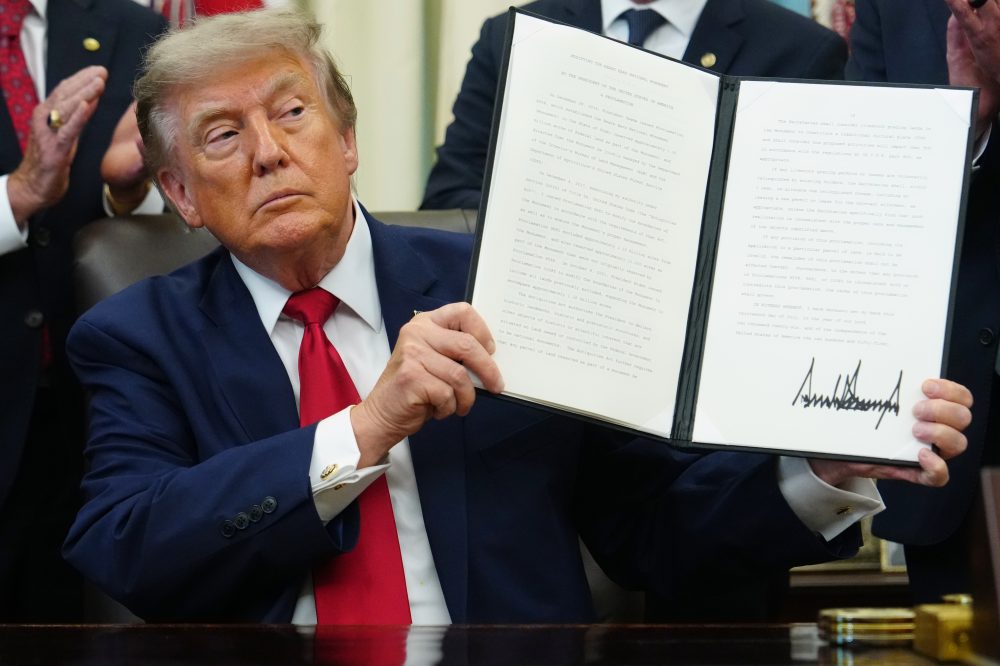
During testimony before a Senate Appropriations subcommittee, Bessent explained that both America and the United Arab Emirates would gain advantages from a potential swap arrangement that President Donald Trump indicated he was evaluating on Tuesday.
While Bessent declined to identify the specific nations making these requests during the budget hearing, he emphasized that such financial mechanisms would help maintain stability in global markets during the current Middle East crisis.
“And swap lines, whether it’s from the Federal Reserve or the Treasury, are to maintain order in the dollar funding markets and to prevent the sale of the U.S. assets in a disorderly way,” Bessent explained to lawmakers. “So, the swap line would benefit both the UAE and the U.S., and as I said, numerous other countries, including some of our Asian allies, have also requested them.”
The Treasury Secretary’s comments highlight how the ongoing Middle East war continues to create ripple effects across international financial systems, prompting allied nations to seek additional economic safeguards through partnerships with the United States.