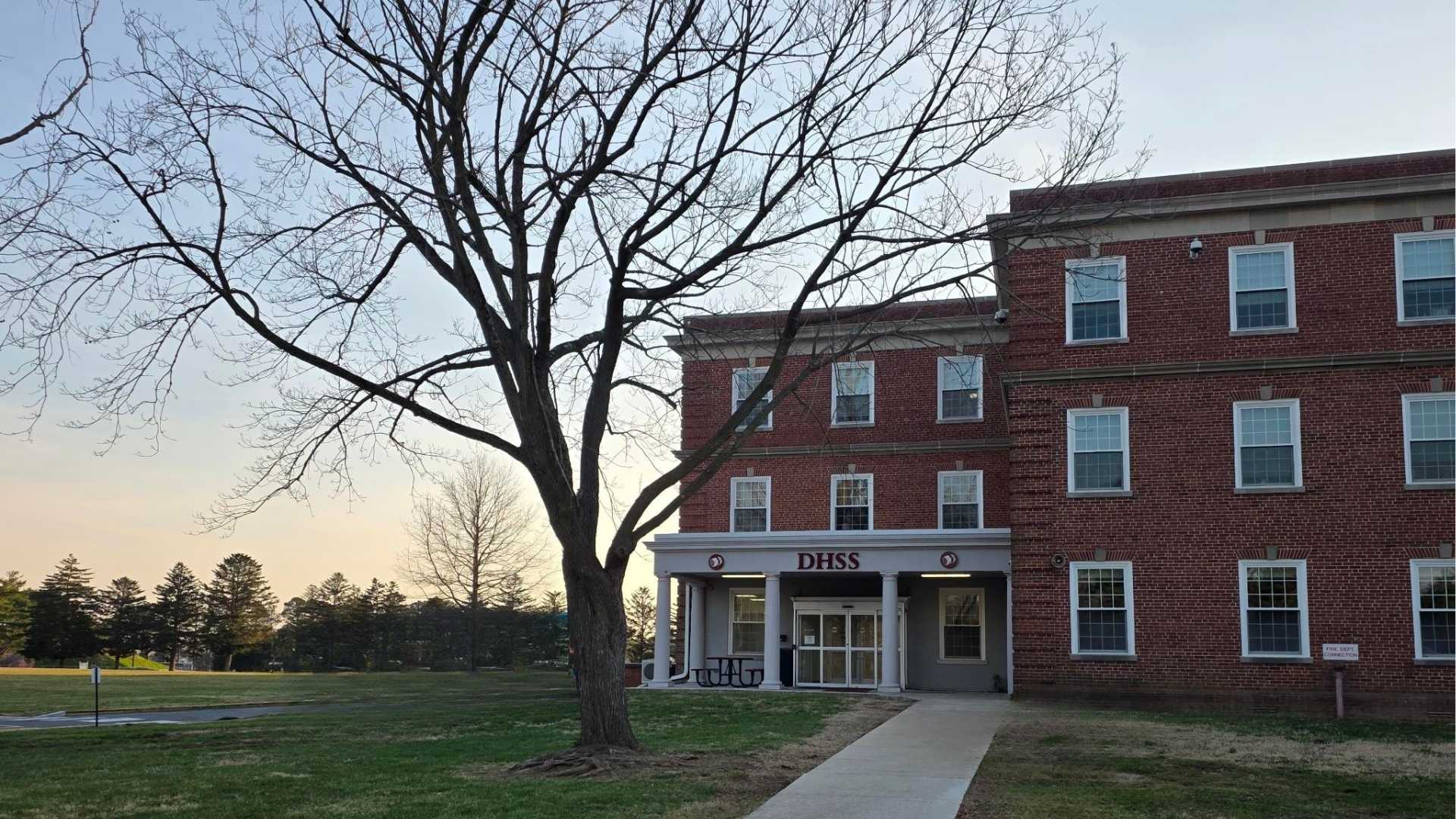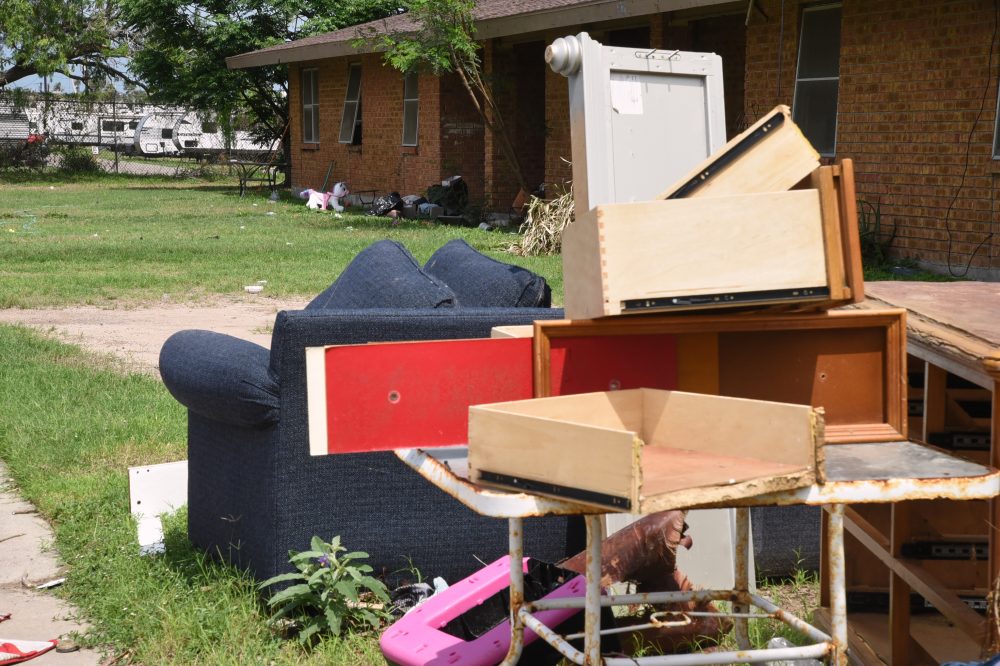

PORT ISABEL, Texas — Children who once played on sunny lawns outside their subsidized housing units have disappeared, replaced by abandoned furniture lining the streets waiting for pickup. A thriving residential community has transformed into an eerily quiet neighborhood with empty playgrounds.
The dramatic change occurred after the housing authority in Port Isabel, a Gulf Coast community of 5,000 residents — many immigrants employed at hotels and restaurants on nearby South Padre Island beaches — sent a confusing notice about proposed Trump administration housing policies. The housing authority mistakenly suggested that new regulations barring housing assistance to families containing undocumented members were immediately taking effect. The resulting chaos offers a preview of potential consequences if the proposed federal rule becomes reality.
“The impact was not limited to undocumented immigrants, but really to immigrants who are here legally as well as people within their families who are citizens,” Marie Claire Tran-Leung, senior staff attorney at National Housing Law Project, said.
Current federal policy has permitted mixed-status families to reside in subsidized housing for many years, requiring undocumented or ineligible members to pay full, unsubsidized rent portions. The U.S. Department of Housing and Urban Development seeks to eliminate this arrangement.
Housing advocates project that approximately 80,000 individuals nationwide could lose their homes under the proposed policy, which forms part of President Donald Trump’s broader immigration enforcement strategy. Many affected residents would be U.S. citizens, particularly American-born children with undocumented parents.
The Port Isabel Housing Authority distributed a notice on Feb. 3 demanding all household members demonstrate legal status within 30 days or face removal. Three weeks later, officials issued a “clarification” stating no such documentation was necessary.
The damage was already done.
Fifty percent of Port Isabel public housing residents departed within one month of receiving the initial notice. Occupancy dropped from 91% in January to 43% in May, dramatically below the 94% national average.
The HUD proposal remains pending.
Housing authority officials provided no explanation for their initial error and ignored multiple comment requests from The Associated Press.
Concerns about potential removal and speculation that U.S. Immigration and Customs Enforcement might become involved created widespread alarm among residents.
“My kids and I spoke and wondered what we were going to do, but then we said it’s better to leave and avoid any retaliation,” a single mother from Mexico raising two teenagers who are U.S. citizens told The Associated Press. She, like other former residents, spoke on condition of anonymity due to fears of being deported.
She consulted legal aid organizations that assured her and others they could remain in public housing. However, she and her children determined the risk was too great and abandoned their home of almost ten years, securing an apartment in the same school district that costs approximately $500 more monthly.
The relocation also extended their commute to the island, where both mother and daughter are employed, by roughly 10 minutes. The 18-year-old arrives home from school at 4:30 p.m. and eats quickly before her mother drives her to work starting at 5 p.m. The daughter excels academically as a senior and plans college attendance in the fall with scholarship assistance, but worries about her family’s financial stability. Her brother lost his job, and their mother received cancer treatment last year, reducing her energy and creating financial hardship.
Additional families confront even more severe difficulties.
One mother of three relocated her family to a one-bedroom trailer illegally positioned between two other trailers. Her eldest son sleeps in the living area.
Another three-person family sold beds and furniture to fit into a small trailer, only to discover the landlord prohibited use of the mailing address, complicating their children’s schooling and health coverage.
“Since we got the letter, everything changed from one day to the next. It wasn’t the same anymore. Before the letter, the kids were happy, playing outside,” the mother of two said.
The Trump administration introduced the proposal in February targeting any household containing one ineligible resident, disqualifying entire families. Officials estimated 24,000 recipients were ineligible across 20,000 households.
“We have zero tolerance for pushing aside hardworking U.S. citizens while enabling others to exploit decades-old loopholes,” HUD Secretary Scott Turner said at the time.
The Center on Budget and Policy Priorities, which advocates for low-income families, estimates that 79,600 people could be forced to leave their homes, with a disproportionate impact on children and Latinos.
The regulation generated over 16,000 public comments, predominantly critical responses, including opposition from municipal leaders nationwide.
The New York City Council informed HUD that approximately 12% of city households include at least one member lacking legal status. About 240,000 children live in those homes.
“This proposed rule will unequivocally lead to increased displacement, homelessness, poverty, and decreased educational and health outcomes,” the council wrote.
HUD is anticipated to release a final rule version after reviewing public feedback.
Legal challenges are almost guaranteed.