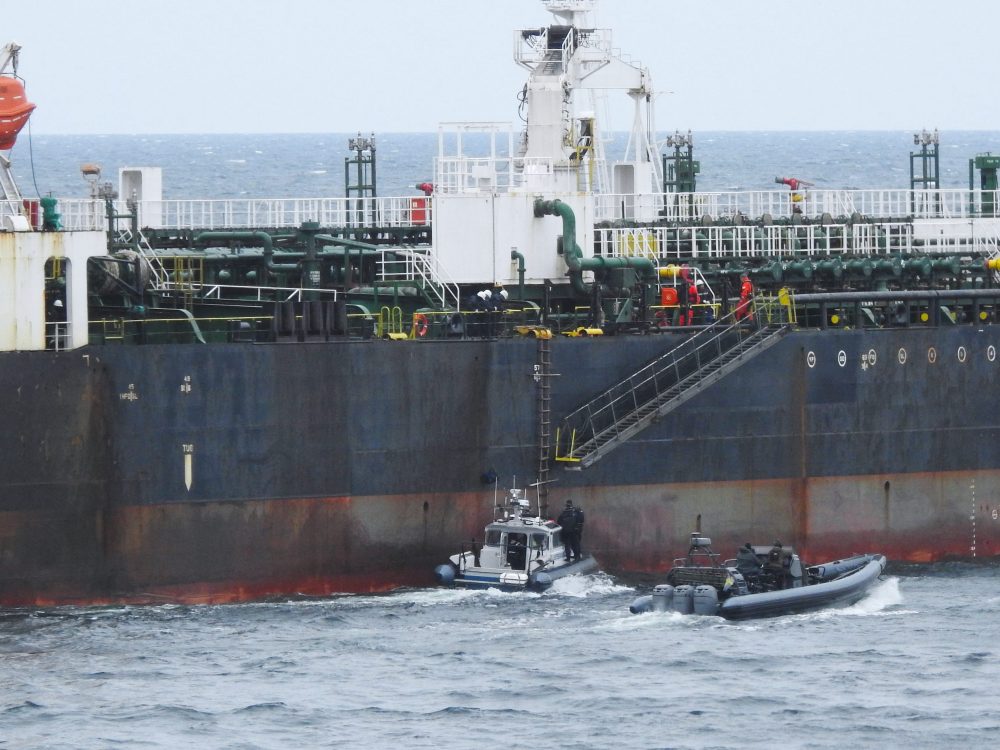

Swedish maritime officials have freed an oil tanker that faces European Union sanctions after determining there wasn’t enough proof the vessel caused an environmental disaster in Baltic waters.
Coast guard representatives announced they couldn’t establish adequate evidence linking the Flora 1 tanker to an 8-mile oil slick found last Thursday in the Baltic Sea.
Officials also confirmed that Cameroon verified the ship operated under their national flag, which remained uncertain when maritime authorities stopped the vessel and its 24 crew members on Friday, according to coast guard statements.
European Union officials placed the Flora 1 on their sanctions registry for transporting Russian petroleum while “practicing irregular and high-risk shipping practices.” These dangerous operations can involve disabling automatic tracking systems that broadcast vessel locations to nearby ships.
The penalties target what officials call a “shadow fleet” that developed following price restrictions on Russian petroleum implemented by the Group of Seven democratic nations to reduce funding for Russia’s Ukrainian military campaign. These restrictions work by preventing insurance and shipping companies from handling oil above the established price limit.
This maritime network consists of older tankers with ownership and insurance based in nations that ignore the price restrictions. The advanced age of these vessels and their lack of Western insurance coverage has created safety worries about potential spills and responsibility for cleanup costs.
According to Ukrainian government records, a Hong Kong corporation owned the Flora 1 as of late 2025, and the vessel also faces sanctions from Britain, Canada, Australia, Switzerland, and New Zealand. The ship has switched names six times and changed flag countries nine times. Maritime observers have documented the vessel disabling its automatic tracking system to conceal its whereabouts and conducting ship-to-ship transfers that can mask oil cargo origins.
Current sanctions prohibit any business dealings with the designated vessels.