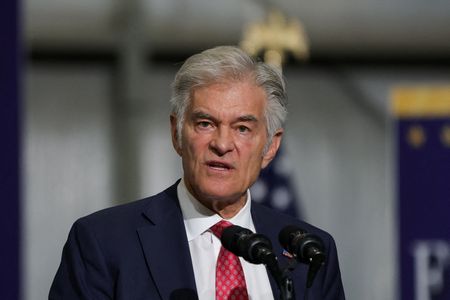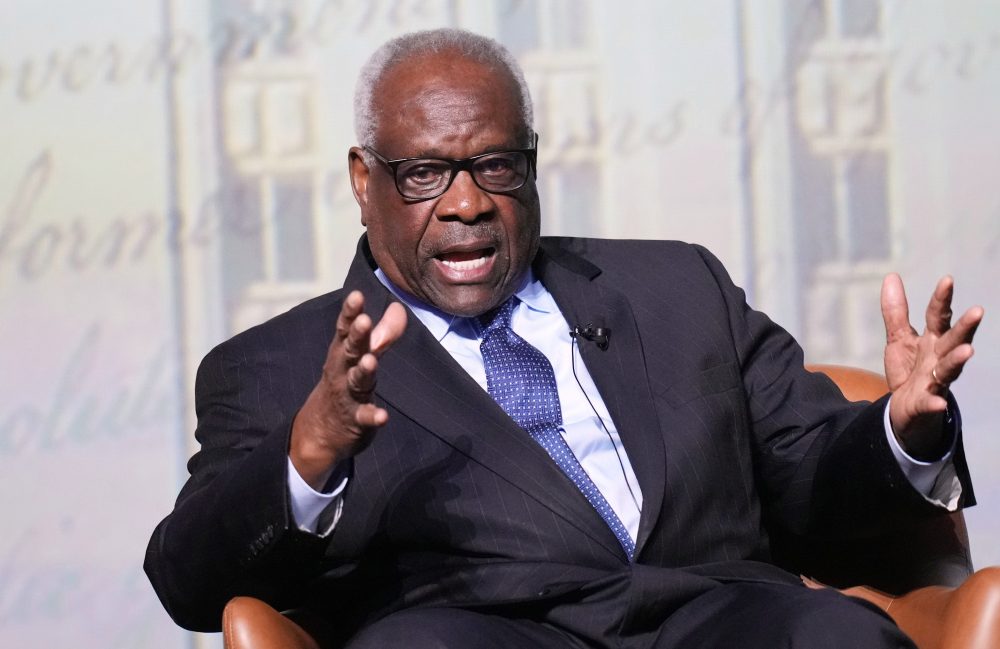

MIAMI (AP) — At a judicial conference near Miami, Supreme Court Justice Clarence Thomas called on Americans to mark the upcoming 250th anniversary of independence by defending their core values, emphasizing that the Constitution provides shared ground for a nation facing significant divisions.
“We can disagree on all sorts of things, but we’ve got to have something in common or we don’t have a country,” Thomas stated during the conference. “These documents, our founding documents, our founding history, whether we think it’s perfect or it shouldn’t be amended, or we might disagree about how far it goes, but we can say this is something that we all treasure.”
The justice made these comments during an interview conducted by Kasdin Mitchell, a former clerk who received a nomination from President Donald Trump this month for a federal judgeship in Dallas.
Thomas, who has now achieved the distinction of being the second longest-serving justice in the Supreme Court’s history, reflected on growing up in the segregated South and his more than thirty years serving on the nation’s highest court.
However, the 77-year-old justice showed no signs of considering retirement in the near future, which would provide President Trump with a chance to strengthen his impact on the Supreme Court by appointing a fourth justice—more than any president has named in nearly a century.
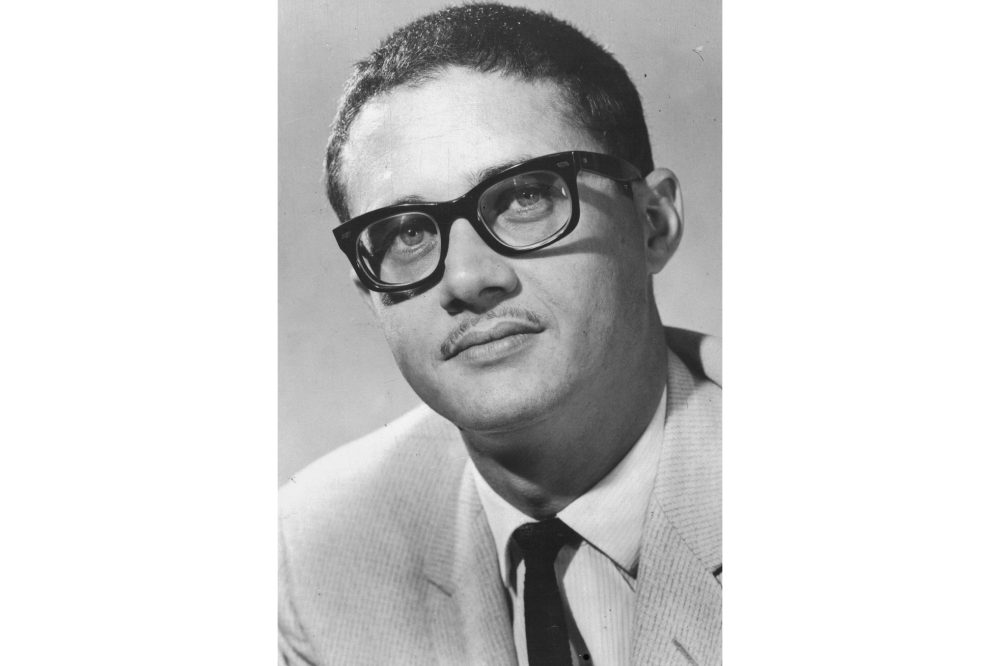
“Justice Marshall said you take a job for life, you do it for life,” he noted, referencing Thurgood Marshall, the first African American to serve on the Supreme Court, whom Thomas succeeded.
Thomas explained that his extended time on the court has provided him with a distinctive view of the widespread cynicism affecting society and fueling Americans’ lack of confidence in their government.
Drawing on his grandfather’s example—a man whose father had been enslaved and who had minimal formal schooling yet maintained faith in America’s potential for improvement—Thomas outlined his philosophy favoring limited government.
“One of the rods in this society versus so many of the others where the rights are parceled down by a government is that we were taught from the cradle that we were equal in God’s eyes, that was self-evident,” Thomas explained. “If you look at Frederick Douglass, Martin Luther King or Abraham Lincoln, they all speak in terms of these transcendent rights beyond the ability of man to take away even though man had the power to infringe upon them.”