
RICHMOND—As flowers bloom and vegetation flourishes, Virginia farmers are taking their agricultural machinery onto public roads to begin the spring planting season.
This annual agricultural period brings increased activity as farmers transport equipment between fields to plant their crops, creating potentially dangerous situations on roadways.
Matt Nuckols, who leads the Virginia Farm Bureau Federation Farm Safety Advisory Committee, explained that motorists often make a critical error in timing. “One of the biggest mistakes drivers make is waiting too long to slow down,” Nuckols stated. “These machines are large, slow and need extra room to turn or stop safely. Slowing down sooner than you think you need to and giving extra space, even treating it like a brief escort to the next turn, helps protect everyone on the road.”
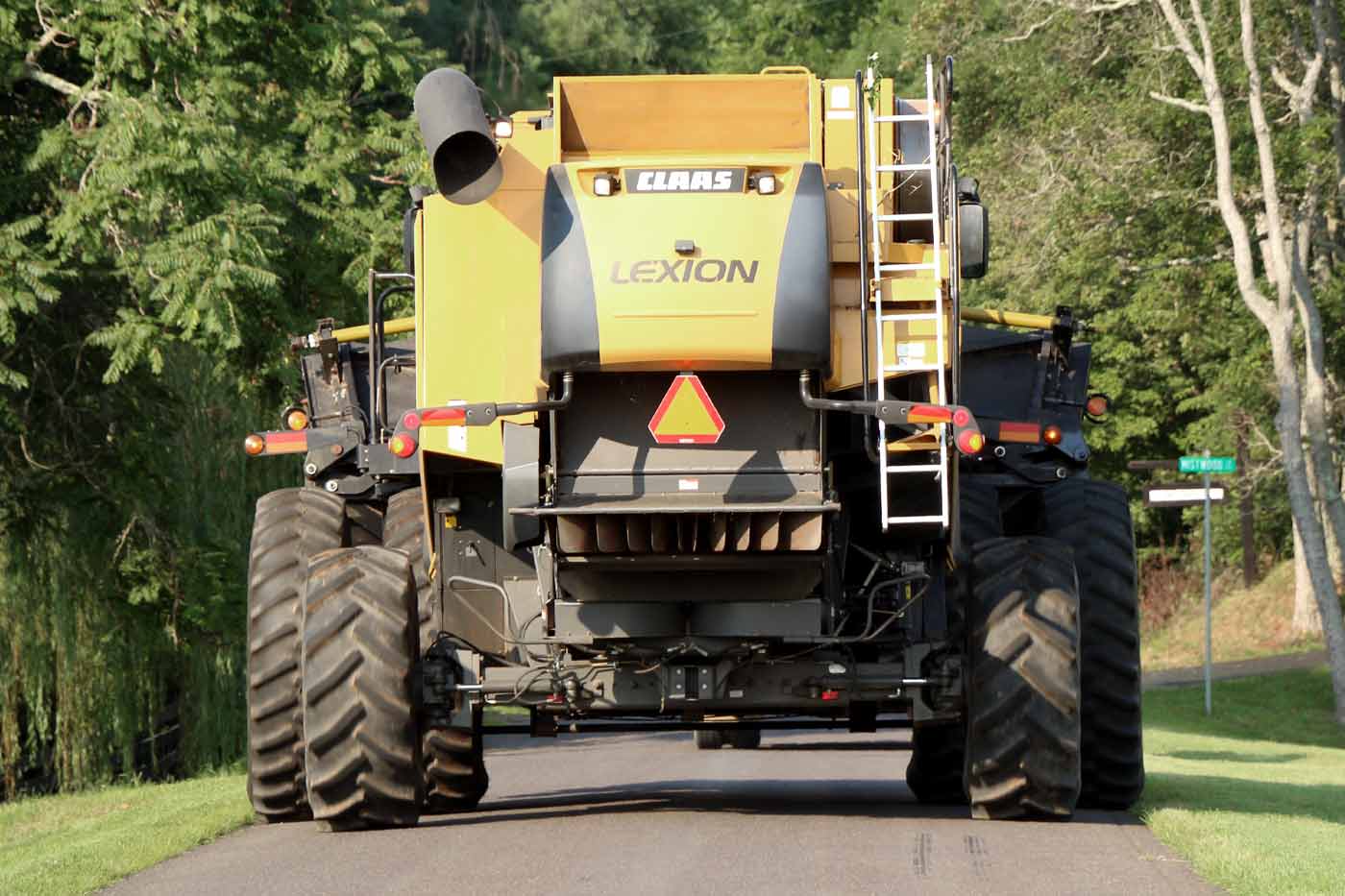
Motorists should expect to encounter various agricultural implements including sprayers, planters, discs and plows that may stretch across the entire roadway, with some reaching widths of 17 feet. Vehicles traveling at highway speeds rapidly approach farm machinery that typically moves at 20 to 30 miles per hour.
Statistics reveal that collisions involving agricultural equipment result in fatalities five times more frequently than standard traffic accidents.
Orange County farmer Garret Chambers, who raises cattle and grows hay and feed grains, shared his experiences with near-accidents. “We’ve had some close calls,” Chambers said, noting that particularly hazardous situations occur during left turns into fields.
“We’re signaling that we’re getting ready to slow down and turn, but a car will try to fly out past us,” he explained.
Limited sight lines from farm equipment cabs mean operators may not notice approaching vehicles while concentrating on safely crossing traffic and maneuvering through narrow field entrances.
Chambers emphasized the importance of driver patience and awareness when sharing roads with farm equipment. He suggested that approaching motorists consider pulling over when possible to allow machinery to pass, or give farmers opportunities to find safe places to move aside. This approach prevents equipment from stopping completely in traffic lanes, which creates additional delays.
Many agricultural operators schedule their road travel during less busy traffic periods to minimize congestion. Chambers put the inconvenience in perspective, noting that following farm equipment typically “adds five minutes to your day—the time difference of stopping for a cup of coffee.”
Safety recommendations for motorists:
- Reduce speed and maintain generous following distances.
- Attempt passing only when legally permitted and completely safe. Avoid passing in no-passing zones.
- Watch for obstacles that may force farmers to shift lanes, such as mailboxes, fencing, trees and drainage ditches.
- Exercise patience during left-hand turns and observe hand signals.
- Stay alert for field access points.
- Avoid phone use and maintain focus on driving.
Safety guidelines for agricultural operators:
- Mount slow-moving vehicle emblems on machinery traveling 25 mph or slower.
- Verify proper operation of brake lights, turn signals and warning lights.
- Comply with all traffic regulations, signals and posted signs.
- Pull over safely when possible to allow traffic to pass.
- Use seatbelts and prohibit additional passengers on equipment.
- Avoid equipment transport during poor visibility or heavy traffic periods.
- Utilize escort vehicles when available.