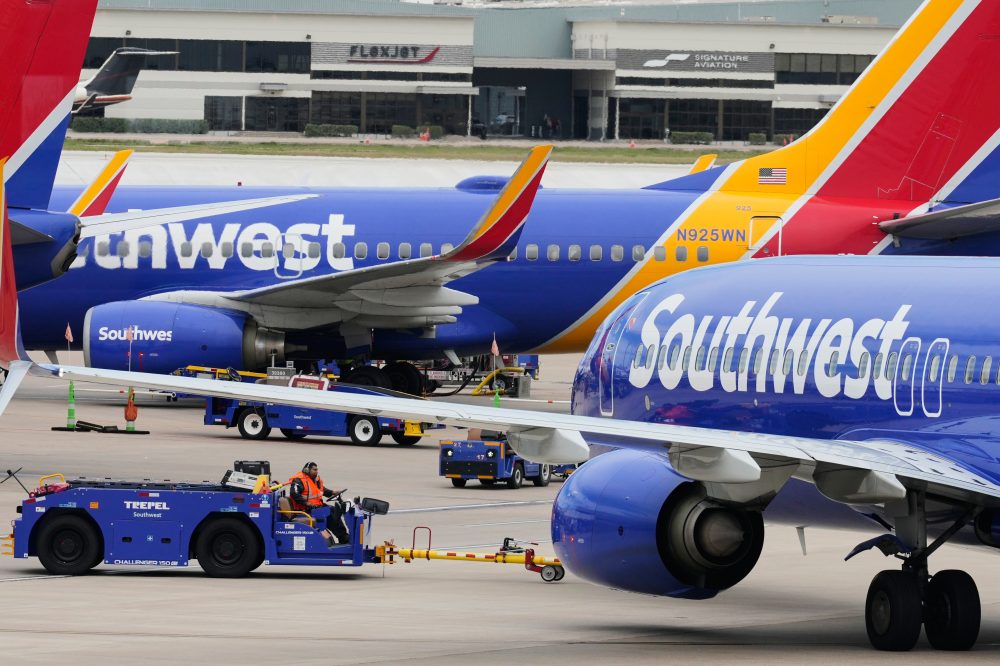

Southwest Airlines announced it will increase baggage fees by $10 starting Thursday, marking another shift for the carrier that abandoned its famous “bags fly free” policy less than 12 months ago due to escalating jet fuel expenses linked to the Iran conflict.
Beginning Thursday, passengers will pay $45 for their first checked bag and $55 for a second bag, the airline confirmed. Certain passengers including select loyalty program members, qualifying co-branded credit card users, and active military personnel will continue to receive complimentary first bag privileges.
The Texas-based airline explained the fee adjustment comes “as part of an ongoing analysis of the business and against the evolving global backdrop,” according to their official statement.
Southwest eliminated its popular decades-long practice of providing two free checked bags per passenger in May 2025, ending a signature benefit the company had promoted as a major competitive advantage for years.
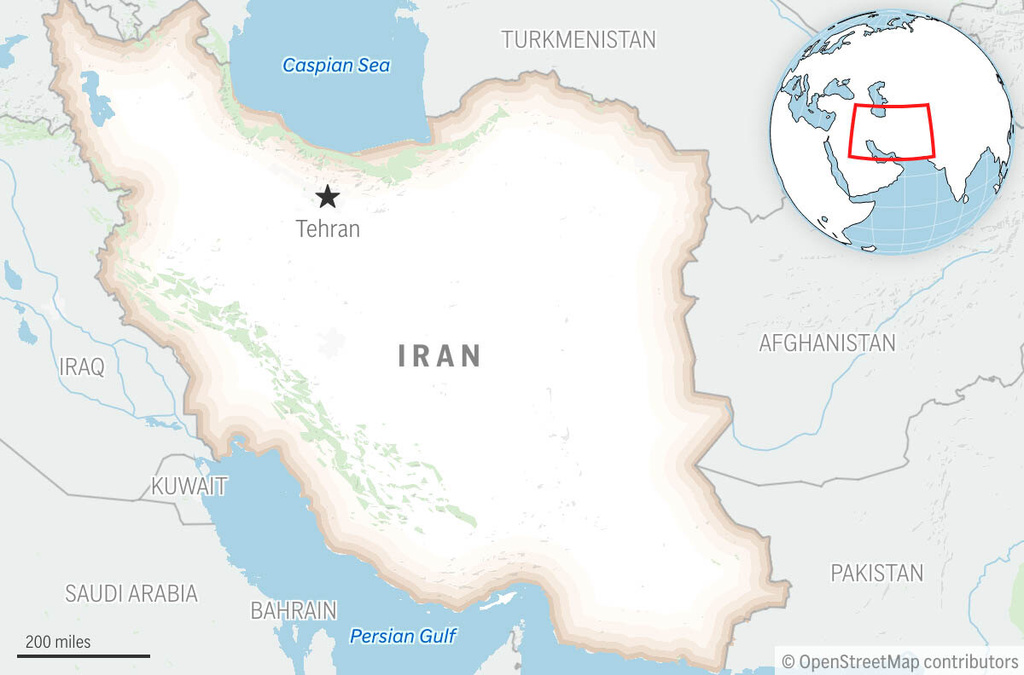
The carrier has joined several other major U.S. airlines implementing fee increases since Middle East hostilities commenced on February 28, triggering volatile oil markets as combat near the Strait of Hormuz has disrupted worldwide petroleum distribution. The strategic waterway typically handles approximately 20 percent of global oil transit, and threats to this passage have driven up aviation fuel prices derived from crude oil.
Delta Air Lines implemented its own baggage fee increases on Wednesday, while both JetBlue and United Airlines announced higher bag charges last week.
Crude oil prices dropped Wednesday toward $95 per barrel following President Donald Trump’s announcement of a two-week ceasefire agreement with Iran, reached just before his deadline for Tehran to reopen the Strait of Hormuz and restore oil tanker access to the Persian Gulf. However, prices continue trading significantly above pre-conflict levels due to persistent risks of renewed fighting.
The ceasefire’s stability remains questionable after Iran again blocked the Strait of Hormuz on Wednesday following Israeli strikes against Hezbollah forces in Lebanon, raising concerns about the agreement’s durability.
Jet fuel averaged $4.81 per gallon on Tuesday across major hubs in Chicago, Houston, Los Angeles and New York, representing a substantial jump from $2.50 the day before hostilities began, according to data from Argus Media. The energy intelligence firm monitors pricing through its U.S. Jet Fuel Index covering these critical markets.
International carriers have responded to rising fuel costs by implementing or expanding fuel surcharges, a strategy that American airlines historically avoid using.