
JOHANNESBURG — In the span of just one month, South Africa has deported or voluntarily repatriated more than 53,000 African immigrants as part of a government crackdown that has unfolded alongside a series of sometimes violent protests targeting foreigners.
South African Justice Minister Mmamoloko Kubayi announced Sunday that more than 80% of those sent home were citizens of Malawi. Authorities did not provide a breakdown distinguishing between those formally deported and those who chose to leave voluntarily.
Multiple African nations have contributed aircraft and buses to help bring their citizens home amid a sharp rise in anti-immigrant sentiment in South Africa in recent months. The climate has led to attacks on foreigners and left communities across the country on edge.
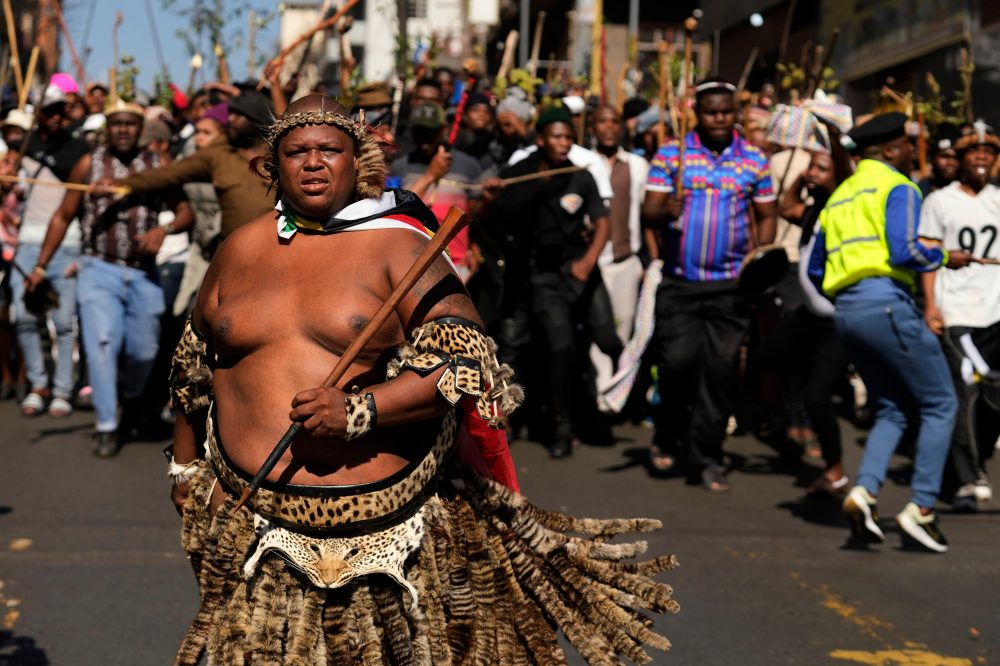
South African police reported arresting 350 individuals on charges related to public violence, intimidation, and unauthorized immigration checks — a troubling trend in which groups of South African civilians have been stopping migrants and demanding they show documents proving their legal status in the country.
Authorities are currently investigating the deaths of at least three migrants — two from Mozambique and one from Malawi. Nigeria has stated that two of its citizens were killed during anti-immigrant protests, though South African officials have denied those deaths were connected to the unrest.
While immigrants from Malawi, Zimbabwe, and Mozambique made up the largest share of those deported or repatriated, South African officials confirmed that citizens of Nigeria, Uganda, and Kenya were also among those removed.
Last month, South African President Cyril Ramaphosa unveiled new measures to tighten border security and strengthen enforcement of immigration laws in what is considered Africa’s most developed economy. He acknowledged the growing tensions, which were fueled by anti-migrant groups claiming — without evidence — that immigrants are responsible for South Africa’s high unemployment rate and rising crime.
President Ramaphosa also cautioned citizens against taking matters into their own hands following reports of vigilante-style attacks on migrants.
Anti-migrant groups had set June 30 as a self-imposed deadline for undocumented immigrants to leave the country — a deadline the government formally rejected. Despite that, the date prompted thousands of Malawians to gather at a temporary immigration processing site in the eastern city of Durban seeking to return home. Officials said some left voluntarily, while others were officially deported for lacking proper documentation.
An additional 20,000 or more migrants were deported or repatriated through a temporary immigration center established in the northern border town of Musina, officials said.
South Africa has historically drawn migrants from neighboring African nations due to its relative economic prosperity, a dynamic that has periodically sparked tensions. In 2008, more than 60 people were killed in violence directed at foreigners, and there have been other episodes of anti-immigrant violence since then.
Sabina Tadera of the Southern Africa Network for Immigrants and Refugees, an organization that advocates for immigrant rights, said some of the Malawians who gathered at temporary camps were actually in South Africa legally but were fleeing out of fear of being attacked.