
MOGADISHU, Somalia (AP) — A catastrophic drought has pushed nearly 6.5 million Somalis to the brink of starvation, with the crisis worsening due to ongoing violence and reduced international funding, according to Tuesday announcements from Somalia’s federal government and United Nations agencies.
According to fresh findings from the Integrated Food Security Phase Classification report, approximately 6.5 million individuals are expected to experience crisis-level or emergency food shortages through the end of March.
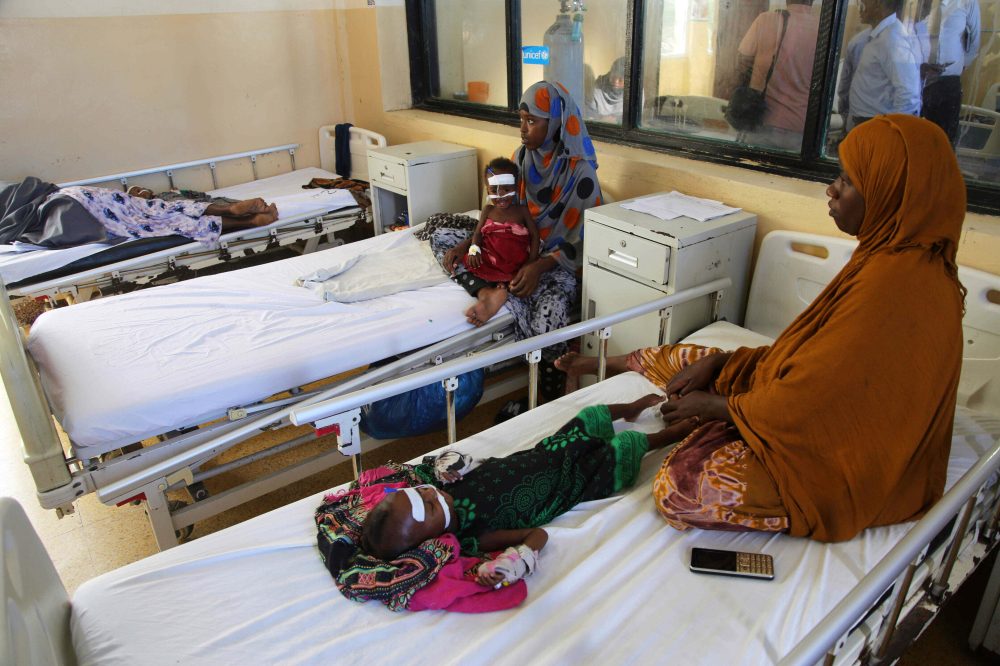
The assessment also predicts that 1.84 million children younger than 5 years old will experience acute malnutrition throughout 2026, with close to 500,000 facing severe malnourishment.
Authorities attribute the declining food security conditions to water scarcity, violence, armed conflict, and unprecedented reductions in humanitarian aid tied to worldwide funding decreases.
The severe drought conditions, caused by below-normal precipitation levels, have resulted in extensive food shortages, failed harvests, dead livestock, rising food costs, and mass population displacement.
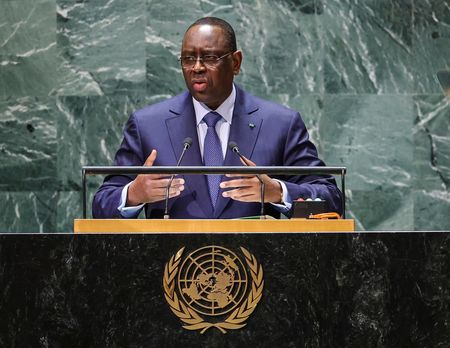
“The drought emergency in Somalia has deepened alarmingly, with soaring water prices, limited food supplies, dying livestock and very little humanitarian funding,” said George Conway, the U.N. humanitarian coordinator for Somalia.
Conway emphasized that immediate life-saving aid is crucial in the upcoming months, noting that no precipitation is anticipated before the primary rainy period from April through June.
Officials warn that even with normal rainfall during the coming wet season, approximately 5.5 million people will likely continue experiencing crisis-level conditions or worse through late 2026. They note that bouncing back from such extreme drought conditions requires considerable time.
Water scarcity continues to worsen across southern and central regions of Somalia, with little expectation for meaningful improvement even if future rainfall reaches typical amounts.
Between July and December, drought and armed conflict forced approximately 278,000 individuals from their homes, hampering farming activities, marketplace operations, and humanitarian aid distribution, based on United Nations figures.
“The severity of this drought is undeniable and deeply alarming,” said Mohamud Moallim Abdulle, commissioner of the Somalia Disaster Management Agency. He urged international allies, Somali communities abroad, private sector entities, and civil organizations to increase immediate assistance.
The United Nations and Somalia’s government have cautioned that major funding reductions have compelled humanitarian organizations to reduce or halt essential life-saving initiatives, including programs focused on food security, medical care, nutrition support, and clean water and sanitation services.