
Rising fuel costs are pushing Americans to find inventive alternatives to traditional driving, with some solutions more creative than others.
Mali Hightower, a 30-year-old handyman from Ellenwood, Georgia, discovered his unique transportation method in someone else’s garbage. He transformed a discarded pink Power Wheels Barbie Dream Camper by installing a two-gallon, one-piston engine from a power washer. The modified toy car, standing less than four feet tall, now takes him to the grocery store with a simple pull of its lawnmower-style starter cord.
With his 1996 Mercedes-Benz convertible requiring about $90 to fill up, Hightower made a practical choice. “That’s too much,” said Hightower, who added a roof rack for carrying groceries. “I drive this when I can.”
While Hightower’s approach stands out, expensive gasoline is changing daily routines and sparking innovative solutions nationwide. Americans, traditionally devoted to their vehicles, especially larger SUVs and trucks that consume more fuel, are exploring options like mass transit or limiting their travel radius.
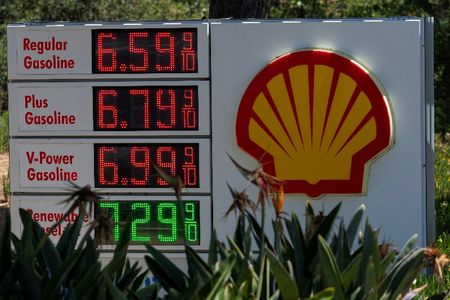
According to AAA data from May 18, regular gasoline averaged $4.52 per gallon across the nation, representing an increase from approximately $3 before the Iran war began. A Washington Post and ABC News Ipsos survey conducted April 28 found that 44% of Americans had reduced their driving.
Some entrepreneurs are turning the economic challenge into business opportunities. Renee Tocci, executive director of Camp Farley in Mashpee, Massachusetts, developed a marketing strategy after spending nearly $40 extra to fuel her Buick Enclave. She began promoting sleep-away camp as a money-saving option for parents facing expensive summer transportation costs for their children.
“My colleague was like, ‘That is hysterical,’” Tocci said. “And I was like, seriously, I’m going to put it all over social media.” She started incorporating fuel expenses into her online content and promotional emails to increase camp registration.
“Here’s a budgeting tip no one talks about: Send your kids to overnight camp,” reads one of her posts.
Content creator Dafne Flores, 28, typically drives from her Silverdale, Washington residence to Los Angeles multiple times annually to see friends. During her latest two-month visit, she left her vehicle parked in Glendale and relied on public transportation for local travel.
“We’re used to expensive gas prices, but never this expensive,” said Flores.
Her Toyota Highlander now costs at least $95 to fill, prompting her to limit trips to within five miles and avoid fuel stations near highways, where she’s observed prices approaching $9 per gallon.
Public transportation offers her the ability to work on video editing while avoiding parking fees. Flores notices similar behavioral changes among her online community: “I’m seeing a lot of videos of people taking the bus.”
This shift appears nationwide. Maine’s Bangor public bus system has experienced a 21% ridership increase since January, according to transit administrator Laurie Linscott, with most growth occurring during rush hour periods.
“I started watching people and trying to get some kind of demographic,” said Linscott. “It was every walk of life.”
Recent promotional events highlight the financial strain. On a Thursday in El Segundo, California, drivers endured wait times exceeding one hour at a gas station where tourism agency Visit Las Vegas distributed up to $100 in fuel to the first 100 people in line, hoping to encourage city visits.
However, most participants weren’t considering vacation plans.
Robert Jackson of El Segundo explained the fuel would only sustain him briefly. “I have to walk and take the train now,” he said. “It’s tough. It really is.”
Segette Frank of Los Angeles described changing her shopping habits across the expansive metropolitan area. “I stay close now because I don’t want to run out of gas,” she said.
In Chicago, CityPoint Community Church plans to distribute $5,000 worth of $25 gas cards over the coming weeks. Pastor Demetrius Davis reported giving away more than 70 cards following Mother’s Day services.
“Transportation is not a luxury for many families,” he said. “It’s survival.”
The current situation hasn’t triggered a major increase in electric vehicle sales, but it has provided validation for existing EV owners, particularly Tesla drivers who faced political criticism related to CEO Elon Musk last year.
John Stringer, president of Tesla Owners of Silicon Valley, a Tesla enthusiast organization, recently shared a TikTok video featuring a gas station sign displaying extremely high prices.
“Oh man, wish that was a problem that I had to deal with,” Stringer says playfully, before panning the camera toward his Cybertruck.
Though intended humorously, Stringer acknowledged his genuine relief.
“I don’t know the last time I looked at gas prices, except for that video.”