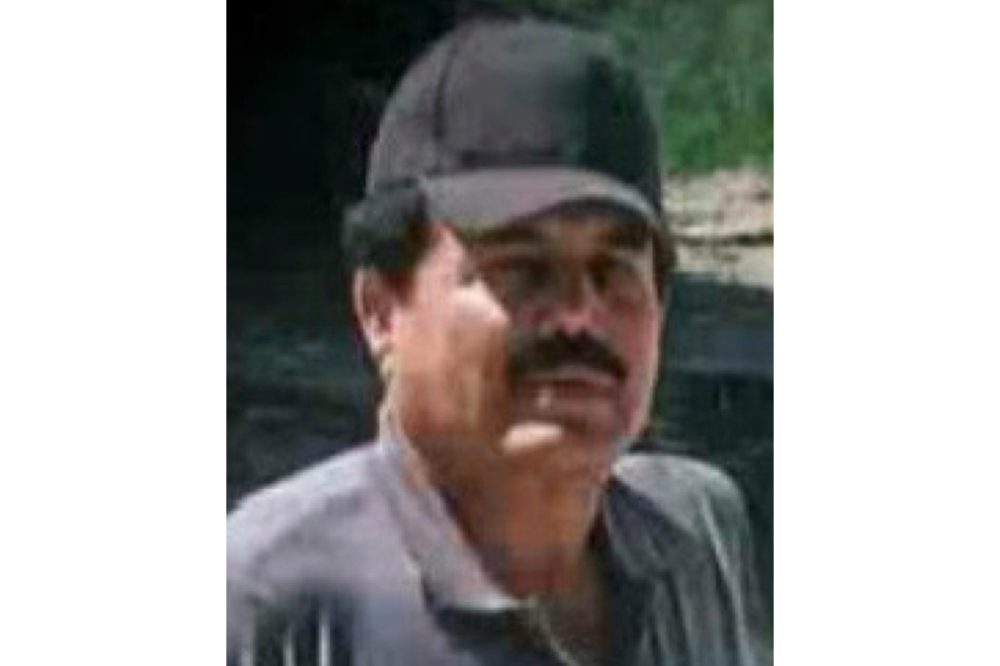

NEW YORK — One of the most powerful drug lords in modern history is set to spend the rest of his life behind bars. Ismael “El Mayo” Zambada, co-founder of the notorious Sinaloa cartel, is scheduled to be sentenced Monday in a Brooklyn federal court, where a life prison term is all but guaranteed following his guilty plea to drug trafficking charges last year.
The sentencing represents the conclusion of a years-long effort by U.S. authorities to bring Zambada — long considered one of the most elusive figures in the global drug trade — into American custody. He was taken into custody in 2024 after he claimed he was kidnapped in Mexico and transported by plane to Texas.
Prosecutors described Zambada as a ruthless operator who ordered torture and plotted killings as he and fellow co-founder Joaquín “El Chapo” Guzmán built the Sinaloa cartel into the largest drug trafficking organization on the planet, pumping massive quantities of cocaine, fentanyl, methamphetamine and other narcotics into the United States.
While Guzmán was known for his flashy persona, Zambada was regarded as the cartel’s behind-the-scenes strategist and deal broker, more deeply embedded in the organization’s daily operations. Guzmán was convicted in 2019 and is currently serving a life sentence at the federal Supermax facility in Florence, Colorado.
Zambada entered his guilty plea in August 2025 after prosecutors agreed not to pursue the death penalty. Speaking through a Spanish interpreter, he offered an apology “to everyone who has suffered or been affected by my actions.”
Now 76 years old, Zambada has requested placement in a federal prison hospital, citing significant health concerns. His defense attorney, Frank Perez, noted in a sentencing memo that Zambada “contends with a complex of age-related health issues” and “will need ongoing access to medical care.”
Federal prosecutors, however, urged Judge Brian M. Cogan to weigh “the serious ongoing security risks” that Zambada presents, warning that certain facilities “may not be appropriate for the security concerns posed.” While judges can recommend where a prisoner serves time, the ultimate decision rests with the federal Bureau of Prisons.
In their sentencing memo, prosecutors called Zambada “one of the most — if not the most — prolific and powerful narcotraffickers in the world,” adding that “it would be difficult to overstate the magnitude” of his crimes and the widespread “corruption, violence, and other harm he spread throughout Mexico, the United States, and the world.”
In addition to a life sentence, Zambada faces $15 billion in financial penalties — a figure prosecutors say reflects the cartel’s earnings under his direction.
He pleaded guilty to running a continuing criminal enterprise and racketeering conspiracy, admitting responsibility for 85 underlying offenses. From 1980 until last year, he acknowledged that he and the cartel were responsible for moving at least 1.5 million kilograms of cocaine, “most of which went to the United States.”
Zambada also admitted to the cartel’s sprawling infrastructure, including operatives who cultivated ties with Colombian cocaine producers, arranged shipments into Mexico by sea and air, and coordinated smuggling across the U.S.-Mexico border. He said the cartel brought in hundreds of millions of dollars annually and acknowledged that his subordinates paid large bribes to Mexican officials “so they could operate freely.”
Prosecutors said that in the months before his arrest, Zambada ordered the killing of his own nephew, Eliseo Imperial Castro — also known as “Cheyo Antrax” — after discovering that Castro had been collecting debts in Zambada’s name and keeping the money for himself.
In 2023, at least three people were killed in retaliatory violence that Zambada directed after a large supply of fentanyl pills, methamphetamine and cocaine was stolen from the cartel, according to prosecutors.
Zambada’s attorney says his client was beaten, bound, abducted and forced onto a private aircraft by one of Guzmán’s sons, Joaquín Guzmán López. The arrests of both men set off deadly conflict within Sinaloa, with Zambada’s supporters clashing violently against backers of Guzmán’s sons, a faction known as the Chapitos, or “little Chapos.”
Defense attorney Perez argued that Zambada’s decision to plead guilty — rather than go to trial as Guzmán did — should be taken into account. Guzmán’s trial was an 11-week proceeding that required shutting down the Brooklyn Bridge to transport him between court and jail.
“Mr. Zambada’s unequivocal acceptance of responsibility has been a defining feature of his conduct since his involuntary arrival in the United States,” Perez wrote.
Perez also argued that placing Zambada in the same Supermax facility as Guzmán would ignore the significance of his client’s cooperation. “For Mr. Zambada to end up not only with the same life sentence as Mr. Guzman, but also in the same draconian Supermax prison, would fail to account in any way for the fact that he took the right path in resolving the charges against him,” Perez wrote.