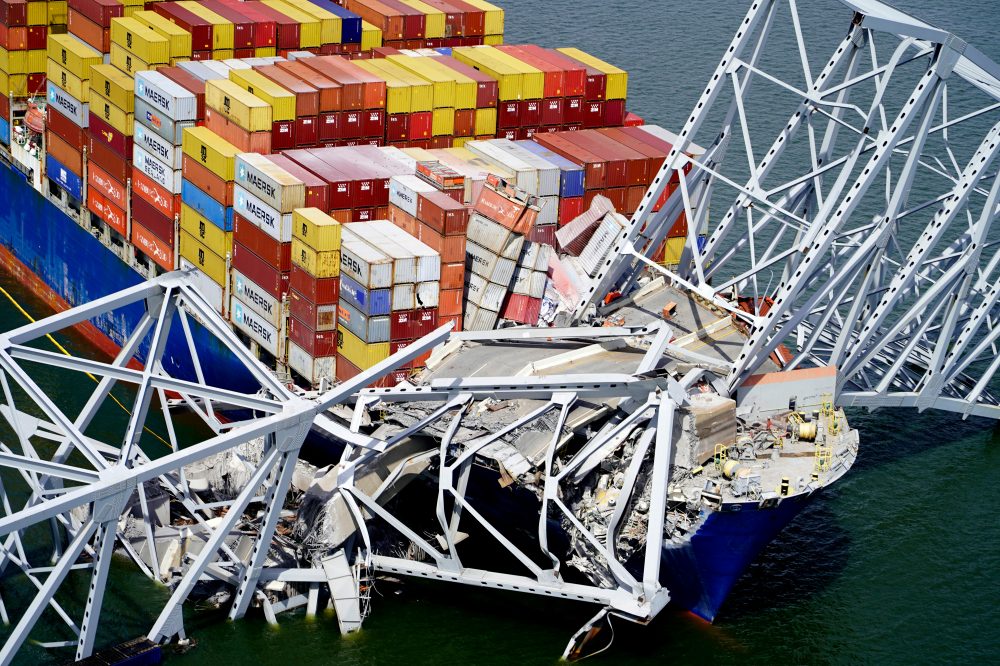

Criminal charges have been filed against the operator of the cargo vessel that crashed into Baltimore’s Francis Scott Key Bridge, resulting in six deaths more than two years ago.
The Dali cargo vessel experienced electrical failures that caused it to lose power and steering control before crashing into the bridge’s support structure, resulting in the fatal collapse that shut down Baltimore’s port for several months.
Beyond the criminal charges revealed on Tuesday, the companies responsible for owning and operating the vessel have encountered numerous legal battles, most of which have been settled through financial agreements.
State officials in Maryland estimate the replacement of the heavily used bridge will cost between $4.3 billion and $5.2 billion, with traffic not expected to resume until the end of 2030.
The following timeline details the crash sequence and major developments afterward:
March 26, 2024
12:39 a.m.: The vessel departed Baltimore’s port bound for Sri Lanka. The Singapore-flagged cargo ship stretched approximately 985 feet in length and 157 feet in width.
Between 1:25 a.m. and 1:28 a.m.: The vessel experienced power failure and crew members broadcast a distress signal while approaching the Francis Scott Key Bridge at roughly 9 mph.
Law enforcement had approximately 90 seconds to halt vehicle traffic from entering the bridge from both sides.
Around 1:29 a.m.: The cargo vessel collided with the Francis Scott Key Bridge, hitting a support pillar and causing the structure to collapse into the water in seconds.
March 27, 2024
Federal authorities started gathering evidence from the vessel.
March 30, 2024
Engineering teams and multiple floating cranes extracted the initial piece of steel debris, beginning a lengthy and complex operation to secure the area for divers searching for missing construction workers and to establish alternative shipping routes for Baltimore’s port.
April 1, 2024
Grace Ocean Private Ltd. of Singapore, the ship’s owner, and Synergy Marine PTE Ltd., the vessel’s operator, submitted a legal filing attempting to restrict their financial responsibility.
May 8, 2024
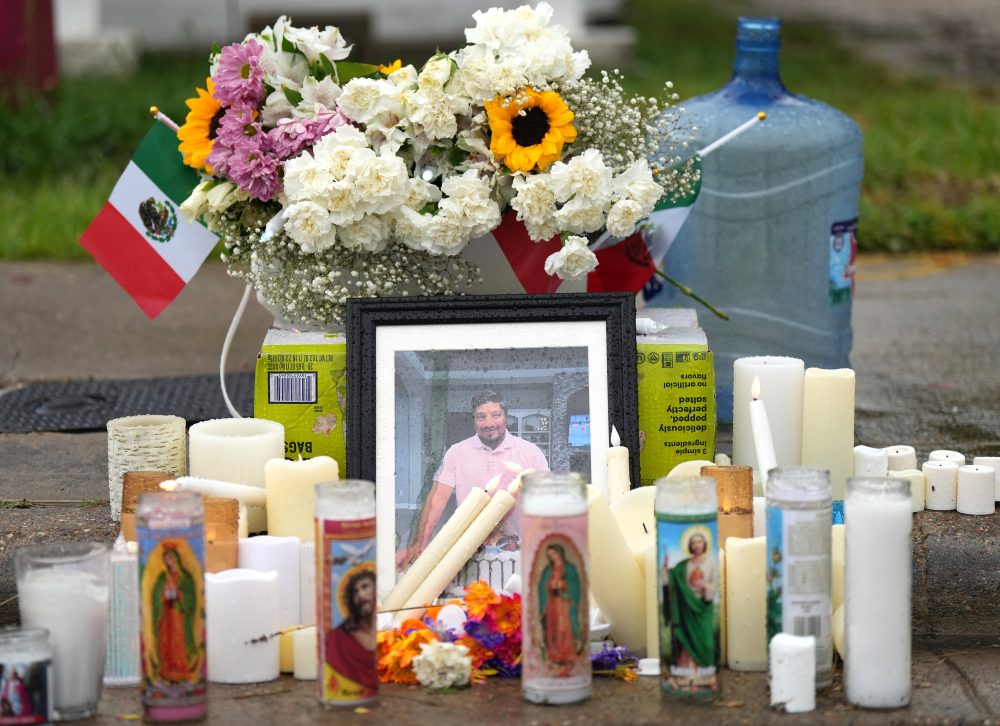
Recovery teams found the remains of the final missing construction worker. All victims were Latino immigrants working the night shift repairing potholes on the bridge.
May 15, 2024
Federal investigators published initial findings about the ship’s electrical malfunctions while docked in Baltimore but did not confirm these were connected to the power failure that occurred just before the bridge collision.
June 19, 2024
National Transportation Safety Board records revealed investigators discovered a disconnected cable in a transformer and circuit breaker system that crew members had activated before leaving Baltimore’s port.
September 18, 2024
Federal authorities filed legal action against the ship’s owner and operator, alleging they disregarded known electrical issues and demanding $100 million in damages.
September 19, 2024
Maryland state government initiated similar legal proceedings, joined by Baltimore dock workers who filed a group lawsuit demanding compensation for lost earnings during the port closure.
October 24, 2024
The cargo ship’s owner and operator agreed to pay over $102 million in cleanup expenses to resolve the Justice Department’s lawsuit.
November 18, 2024
Maryland authorities revealed plans for a replacement Francis Scott Key Bridge that would be constructed higher than the previous structure, with an estimated cost of $1.9 billion.
December 19, 2024
Federal investigators reported that Maryland’s transportation department had not finished a recommended security evaluation of the Francis Scott Key Bridge prior to its collapse, which would have identified ship collision risks.
January 13, 2025
The vessel’s owner and operator initiated legal action in federal court against Hyundai Heavy Industries, the shipbuilder, claiming negligent design of an essential electrical panel.
January 23, 2025
Maryland officials increased their cost projection for the Francis Scott Key Bridge replacement to between $4.3 billion and $5.2 billion, more than doubling the original estimate.
February 26, 2025
The National Transportation Safety Board determined that a disconnected electrical wire caused the power failure that resulted in the ship losing propulsion and steering before the crash. Investigators concluded the crew could have identified the loose wire beforehand using thermal imaging technology.
November 14, 2025
The ship’s owner and operator announced settlement deals with Maryland and ACE American Insurance Co. The $350 million insurance settlement equaled the amount ACE had paid to Maryland, representing the maximum coverage under the state’s insurance policy.
December 2, 2025
Federal prosecutors filed criminal charges against the ship’s operator and a senior staff member, accusing them of making decisions that caused the crash and attempting to conceal the facts.
On the same day, Maryland’s attorney general revealed the $2.24 billion settlement amount between the state and the ship’s owner and operator, which had been previously announced without specific figures.