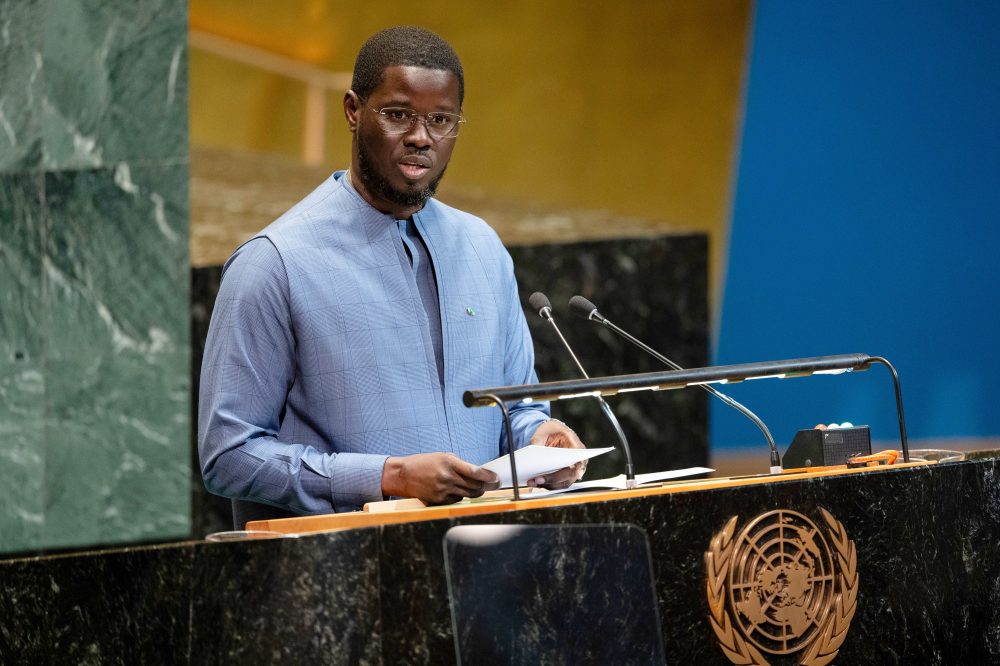

Dakar, Senegal — Senegal’s National Assembly voted Monday to approve a controversial set of constitutional changes that would boost the legislature’s authority and reduce the powers held by the country’s president. Despite the vote, the government announced the reforms will ultimately be decided by a public referendum.
The move comes at a time of heightened political friction between President Bassirou Diomaye Faye and his former prime minister, Ousmane Sonko. Sonko was dismissed from the prime minister’s post last month and subsequently elected to lead the National Assembly.
The reform package was put forward by Pastef, the political party led by Sonko. Opposition groups are calling it an act of political payback, arguing that Sonko continues to wield considerable influence over the parliamentary majority.
Protests erupted outside the parliament building Monday, with demonstrators responding to calls from opposition parties and civil society groups. Crowds waved signs and chanted “Hands off my Constitution!” as police responded with tear gas and detained a number of opposition leaders and activists.
Among the changes included in the reform is a requirement that the government keep the legislature informed about agreements involving the extraction and use of natural resources. The package also expands the investigative authority of parliamentary committees.
Additionally, the reform calls for replacing the existing Constitutional Council with a newly created Constitutional Court. The new body would include nine members, two more than the current seven-member council.
Other provisions in the reform would bar the head of state from simultaneously serving as the leader of a political party, place limits on executive decisions made during the period between a presidential election and the official announcement of results, and tighten restrictions on the president’s ability to dissolve the National Assembly.
The government confirmed a referendum on the proposed changes will be held but did not provide a timeline for when that vote might occur.