
WASHINGTON — Congressional lawmakers are working on a compromise proposal that would restore funding to most Department of Homeland Security operations, including airport security personnel currently working without pay, while leaving immigration enforcement activities unfunded.
The potential agreement emerged following a late Monday White House meeting between Republican senators and President Donald Trump. Legislative negotiators planned to work overnight developing detailed proposals for both parties to review during Tuesday’s weekly caucus meetings.
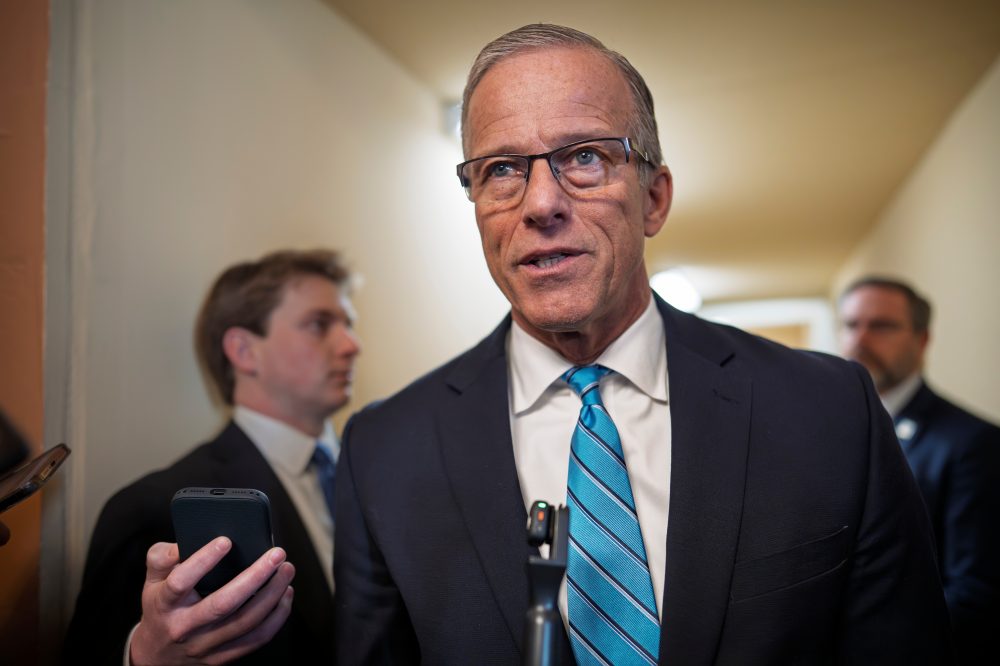
“All I can say is that the discussions have been very positive and productive, and hopefully headed in the right direction,” Senate Majority Leader John Thune, R-S.D., stated.
Late Monday evening, Senate Democratic Leader Chuck Schumer informed reporters: “Both sides are working in a serious way.”
This development in the month-long budget impasse occurs as airports nationwide experience extensive delays due to Transportation Security Administration staffing shortages during peak spring travel periods. Democratic lawmakers have refused to approve Homeland Security funding without limitations on Trump’s immigration enforcement and deportation programs, particularly following the deaths of two American citizens during ICE demonstrations in Minneapolis.
During the weekend, Trump made the unusual decision to deploy Immigration and Customs Enforcement personnel for airport security duties, prompting concerns from some legislators about potential escalation of tensions.
The framework being discussed would provide funding for most Homeland Security components while specifically excluding ICE’s enforcement and removal divisions that form the foundation of Trump’s deportation policies.
The proposed package would maintain funding for ICE’s Homeland Security Investigations unit and Customs and Border Protection, but would establish new restrictions to keep officers in their traditional assignments rather than participating in urban immigration raids. The plan would also incorporate several immigration policy modifications Democrats have requested, including requirements for officers to use body cameras and proper identification.
Because much of ICE’s current funding comes from Trump’s tax legislation and immigration personnel continue receiving salaries during the partial shutdown, senators indicated the new limitations would apply to operations funded through those sources as well.
“I’m going to be working through the night,” Republican Sen. Katie Britt of Alabama, a key negotiator who attended the White House meeting, said optimistically about finding a way to “land this plane.”
“We’re going to be working diligently,” she added.
Sen. Chris Coons, D-Del., who did not participate in the White House discussions, said his understanding was that negotiators felt a “sense of urgency” from the conversations.
Coons outlined the options lawmakers are considering — ranging from eliminating ICE funding entirely without operational restrictions, to full ICE funding with enhanced Democratic demands, to a compromise approach funding most DHS operations except ICE enforcement and removal activities. He and other senators believed this middle approach was the primary option under consideration following the White House discussions.
“First step is to get the proposal in writing,” said Sen. Angus King, the Independent from Maine. “I want to see exactly what that means.”
Late Monday, senators also confirmed Markwayne Mullin as Homeland Security secretary. He replaces Kristi Noem, who oversaw the department’s immigration enforcement activities that sparked public criticism and the current funding dispute.
Mullin represents a potentially fresh approach to immigration operations. During last week’s confirmation proceedings, Mullin addressed another key Democratic requirement — ensuring judges approve warrants used by immigration officers for home searches, rather than relying solely on administrative warrants issued by the department.
“This is significant,” Sen. Peter Welch, D-Vt., said regarding the progress toward reforms. “Noem is gone. That’s a big deal.”
Sen. John Hoeven, R-S.D., expressed optimism about reaching an agreement. “Look, there’s a lot of different variables in the equations,” he said. “I’m hopeful we’ll get there.”